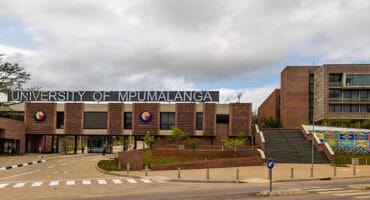
Oversight visits see potential in Chief Albert Luthuli Local Municipality
Speed Mashilo said the municipality has made significant progress in recent years, including the rollout of various infrastructure projects, despite ongoing economic constraints.
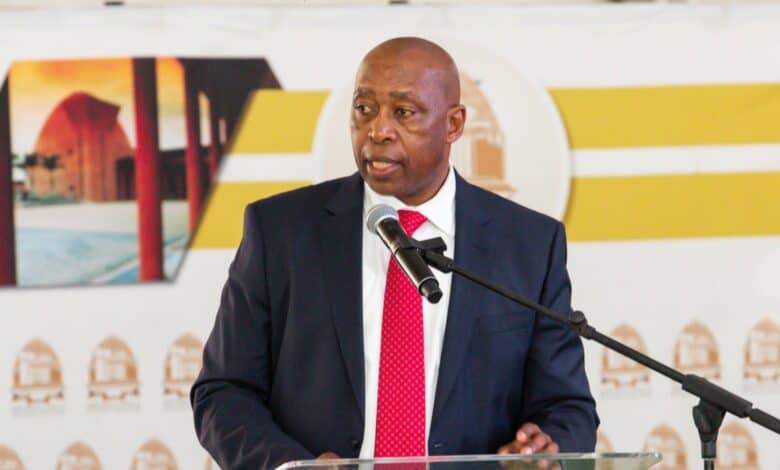
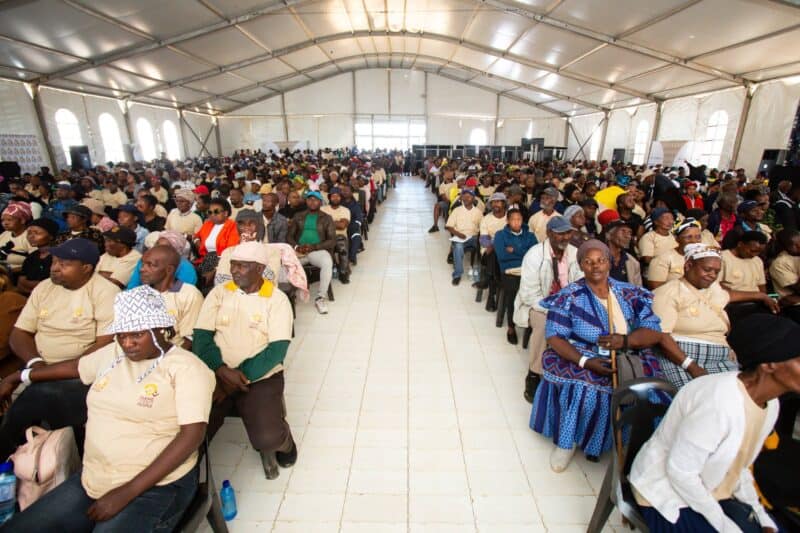
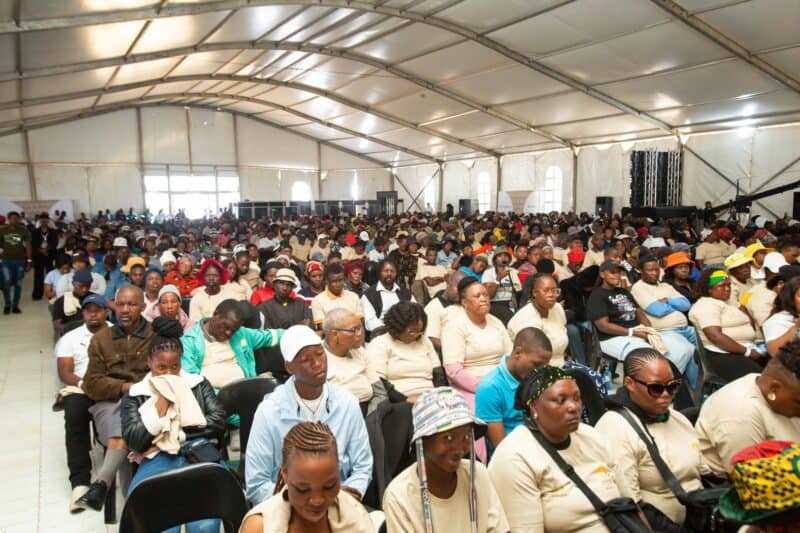
The week-long Taking Legislature to the People programme in the Chief Albert Luthuli Local Municipality (CALM) concluded on March 26, with a sitting of the Mpumalanga Provincial Legislature.
The sitting provided an opportunity for the provincial government to respond comprehensively following oversight visits, a public hearing, and engagements with various stakeholders across the CALM. Members began by debating issues they had observed over the week, before the government’s response, delivered by Speed Mashilo, the leader of government business, on behalf of Premier Mandla Ndlovu.
Mashilo described the programme as a demonstration of democracy in action – not as an abstract concept, but as a lived experience.
“By moving oversight from offices into communities, the legislature ensures that government stays close to the people and that the executive remains accountable, responsive, and focused on its duties,” he said.
ALSO READ: A Mpumalanga institution hosts a delegation for a planned Malawian university
He emphasised that oversight is not about fault-finding for criticism’s sake, but about enhancing performance. “It ensures public servants are dedicated to delivering quality services, that policies achieve real results, and that community voices shape government priorities.
Oversight keeps the executive alert, identifies weaknesses, recognises successes, and ultimately strengthens governance and service delivery.”
Mashilo acknowledged that the programme took place amid a challenging socio-economic climate both nationally and internationally.
“Globally, economies continue to feel the impact of geopolitical tensions, conflicts, climate shocks, inflation, energy market fluctuations, and changing trade relations.
These forces affect developing economies like ours, raising the cost of living, limiting fiscal space, discouraging investment, and putting significant pressure on households, particularly the poor and working classes. In Mpumalanga, however, we are encouraged by signs of economic recovery and job growth.”
He said that progress in the province has been supported by ongoing infrastructure investment, improved agriculture and agro-processing, sustained activity in mining and manufacturing, growth in tourism, and increasing opportunities in renewable energy and the green economy.
CALM, home to more than 247 000 residents, has a predominantly young population, with over two-thirds under the age of 35.
“This demographic presents both challenges and opportunities,” Mashilo said. “It places pressure on service delivery and social infrastructure but also offers significant potential for economic growth, innovation, and productivity if effectively harnessed.”
Despite economic constraints, the municipality has made notable progress in recent years.
From 2021 to 2026, more than 115 municipal infrastructure projects were completed, including investments in water and bulk infrastructure, road construction and refurbishment, household electrification, bridges and footbridges, stormwater systems, sports facilities, community infrastructure, and high-mast lighting.
ALSO READ: Nation pays tribute to Chris Hani during Freedom Month
In the human settlements sector, more than 350 houses have been delivered, alongside emergency housing interventions, asbestos roof replacements, and serviced sites.