Four KaBokweni villages exit load reduction
Reliable electricity is returning to Ward 33 as residents of KaBokweni get off the load reduction list following the successful rollout of Eskom’s smart meter project.
Four villages have been removed from load reduction system after Eskom’s smart meter project reached 70% in the area. The villages, situated in Ward 33 of the City of Mbombela, are Maporo, Millie land, Bhejukufa and Gutshwa Trust.
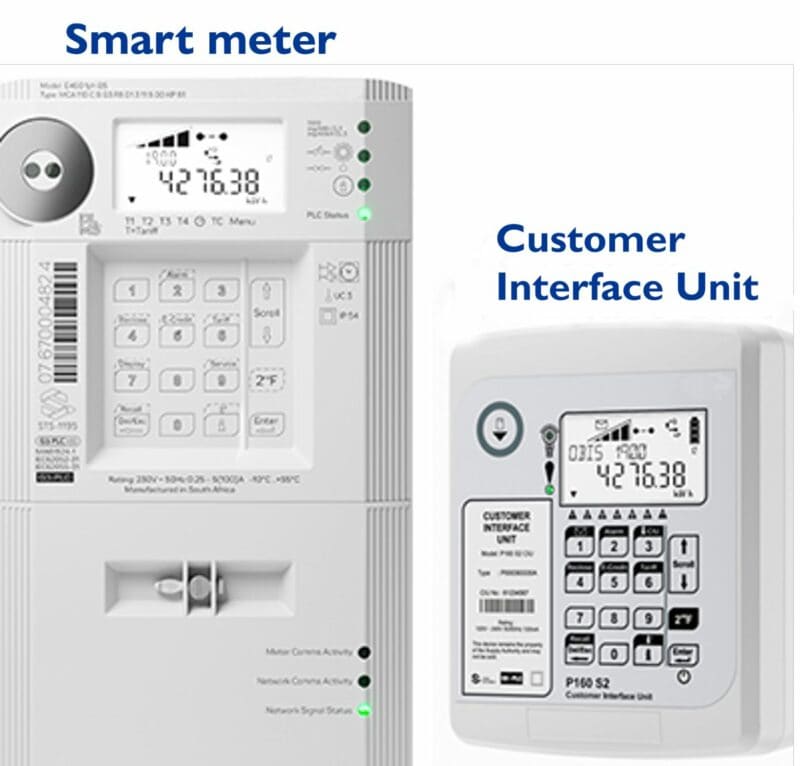
The smart meter project entails the replacement of traditional meters with prepaid split meters, aimed to reduce electricity theft, improve billing accuracy and enable real-time consumption monitoring for residents. The key benefits include fewer blackouts, remote monitoring and support for time-of-use tariffs.
It forms part of Eskom’s progress in phasing out load reduction at community level.
This programme has already yielded results, with the Northern Cape and Western Cape now fully removed from load reduction schedules.
ALSO READ: Ramaphosa set target to end load reduction by next year
Nationally, more than 340 000 customers who previously faced load reduction are no longer experiencing it, ensuring continuous supply during the upcoming winter period. In addition to the smart meter programme, 2 119 customers have been connected through distributed energy resources to strengthen electricity supply in areas where network limitations previously contributed to load reduction.
By September 2026, Eskom expects that about 60% of feeders currently affected by load reduction, 573 out of 971, will be removed from load reduction, with the remaining feeders addressed progressively by 2027.
A total of 1.6 million smart meters have been deployed nationwide, with about 652 744 installations completed since April 2025 as part of Eskom’s ongoing infrastructure upgrade programme. Of these, 250 181 units have been deployed on load reduction feeders, representing a 42% allocation to high priority areas. This targeted deployment is critical to easing grid pressure while empowering customers with real time consumption data and greater control over their energy usage.
Of the smart meters installed on load reduction feeders, approximately 91% are concentrated in Gauteng and Mpumalanga.
The rollout is deliberately focused on high-loss areas affected by illegal connections, meter bypassing, overloaded infrastructure and widespread electricity theft.
The total number of feeders removed from load reduction is 211, representing 78% of the first phase of implementation. This includes 37 in Limpopo and Mpumalanga which reached the 100% target. The initiative aims to completely remove load reduction nationwide by October 2026.
With the feeders removed from load reduction to date, an estimated 352 968 customers are now benefiting, comprising 111 519 in Limpopo and Mpumalanga.
ALSO READ: Load reduction: Are only the poorest areas in Mbombela left in the dark?
The remaining customers still due for load reduction removal by financial year end total 122 817 in both Limpopo and Mpumalanga.
Load reduction continues to affect many communities, particularly in rural areas, during peak early-morning and late-evening periods when electricity is most needed.
At present in Mpumalanga, load reduction takes place for two hours daily – either from 05:00 to 07:00 or from 19:00 to 21:00.
- This article was amended after publishing