
New traffic fine admin system rolled out in eight Mpumalanga municipalities
Despite an eleventh-hour legal bid by Salga to halt its rollout, the controversial second phase of the Aarto traffic system came into effect on July 1.
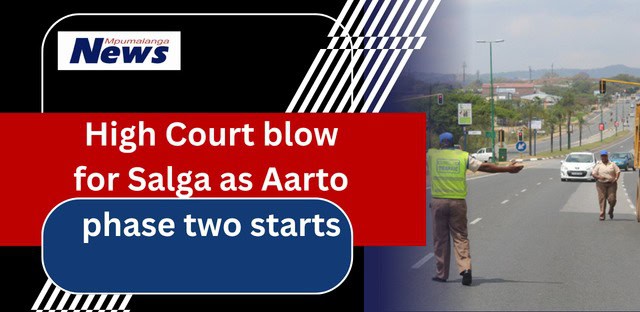
Despite a last-minute legal bid to halt the rollout, the controversial second phase of the Administration and Adjudication of Road Traffic Offences Act (Aarto) officially came into effect on July 1.
This follows a ruling by the Pretoria High Court on June 30, which dismissed an urgent application by the South African Local Government Association (Salga) to block the implementation of the traffic fine administration system.
The court dismissed the case based on a lack of urgency, meaning the legal battle over the merits of the system will still have to be fought at a later stage.
The new administrative adjudication system fundamentally changes how traffic violations are handled, introducing a strict 15-demerit-point system designed to hold repeat offenders accountable. Under the old policy, traffic fines generally expired within 18 to 24 months. Under Aarto, failing to pay a traffic fine is now a punishable criminal offence.
Phase Two came into effect to eight local municipalities in Mpumalanga namely, City of Mbombela, Nkomazi, Thaba Chweu, Steve Tshwete, Goven Mbeki, Emalahleni, Lekwa and Thembisile Hani.
Under the administration process, infringers will receive an official letter that includes administrative fees. Motorists who ignore these letters face severe penalties, including being blocked from renewing vehicle or driving licenses, the attachment of movable property, or a warrant of execution.
ALSO READ: Three Mpumalanga municipalities hit with funding freeze
Demerit points accumulate with every infraction, and reaching 15 points triggers an automatic three-month license suspension. It entails a three-strikes rule, meaning that if a motorist’s license is suspended three times, it will be permanently cancelled.
The demerit points will decrease by one point for every three consecutive months without committing a traffic violation. As a relief measure, motorists who settle their penalties within 32 days will receive a 50% discount, but will incur arrears if the fine is not paid within the allocated time.
The Mpumalanga provincial government has given the system the green light, approving Aarto as a vital instrument for road safety in the province.
However, Salga has raised concerns about the funding model underpinning the Act and, more particularly, its regulation.
Salga’s chairperson of the Public Transport and Roads Working Group, Cllr Sebang Motlhabi, said municipalities are already operating in an increasingly constrained fiscal environment, with limited resources to deliver essential services. He added that the Department of Transport has failed to provide meaningful consultation or practical solutions on this matter.
He said Salga has lodged an intergovernmental dispute in terms of the Intergovernmental Relations Framework Act. This dispute centres on the timing and financial model of Aarto’s implementation and the need for municipalities to have meaningful input into the regulations that directly affect their operations and budgets.
“The current Aarto regulations, published in October 2025, impose financial burdens on municipalities without providing a sustainable financial model that will ensure effective implementation. This threatens municipal financial sustainability and risks diverting limited resources away from service delivery to cover the costs of implementing Aarto,” said Motlhabi.