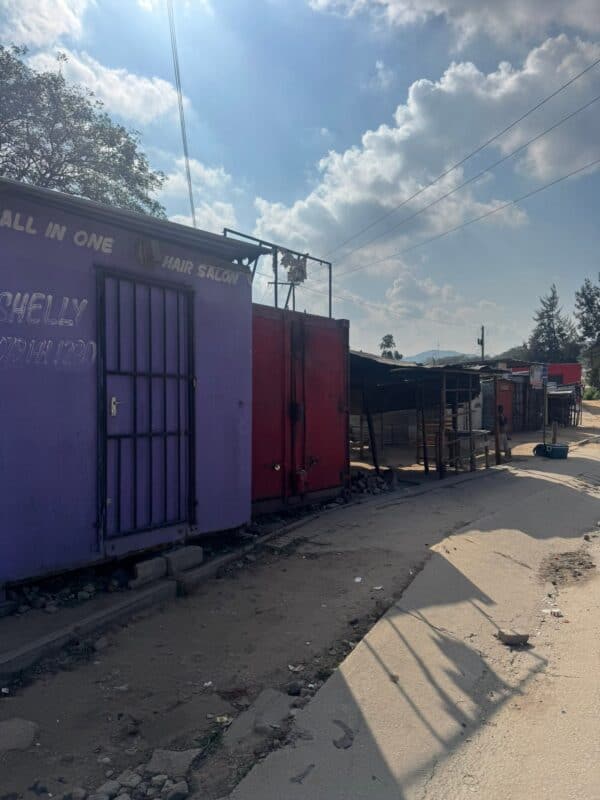
Vetting stops fraudulent spaza shop aid as R57m disbursed
South African entrepreneurs can apply for up to R100 000 through the Spaza Shop Support Fund to expand their businesses.
Parliament’s Portfolio Committee on Small Business Development confirmed that strict internal vetting measures blocked millions of rands in state funding from reaching fraudulent applicants.
Following an engagement on August 12 with the Department of Small Business Development and the Small Enterprise Development Finance Agency, it was confirmed that R57m in payouts – spanning 930 individual disbursements as of July 31 – went exclusively to qualifying South African-owned spaza shops.
The oversight inquiry followed recent public concerns and a Public Protector investigation that revealed widespread instances of criminal schemes. In those schemes, local citizens registered business licences on behalf of foreign nationals operating informal shops, sparking fears that state aid was being diverted away from intended South African beneficiaries.
ALSO READ: Spaza shop entrepreneurs given hope with R500m
Vetting flags operator mismatches
However, committee chairperson Masefako Dikgale assured the public that due diligence systems successfully flagged operator mismatches and stopped fraudulent applications before any cash left government accounts.
“We will continue to exercise oversight to ensure that every rand intended for qualifying South African entrepreneurs is protected and accounted for. Support must reach genuine beneficiaries, not fraudulent fronts,” Dikgale said.
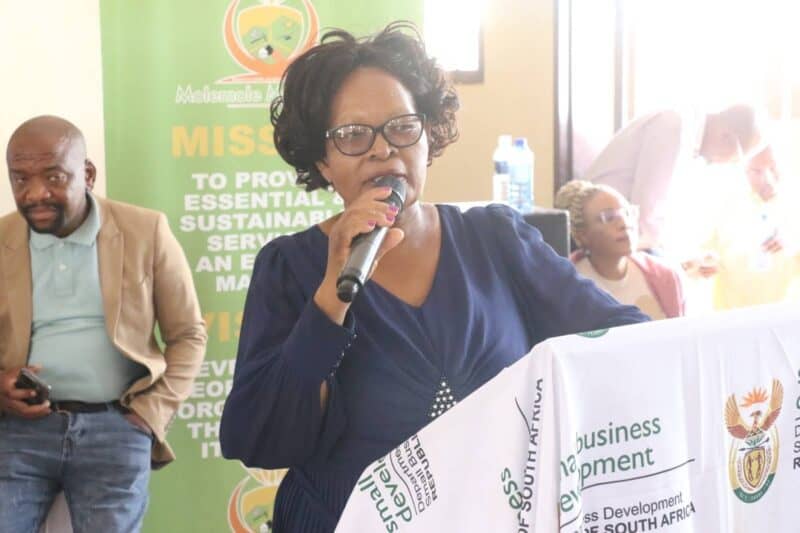
The committee urged small business owners and the public to remain vigilant and report any suspected fronting or misrepresentation to authorities immediately, while urging spaza shop owners looking to grow their businesses to apply for support through the Spaza Shop Support Fund’s website.
The fund offers qualifying businesses funding of up to R100 000. Funding above R50 000 is provided as a blend of 50% grant and 50% loan.
The financial support can be used for shop upgrades, business training and stock purchases.
ALSO READ: City of Mbombela receives more than 900 spaza shop registrations from foreigners
How to apply for support
Owners can follow these steps for access:
1. Check if your business qualifies
Before applying, visit the fund’s website and review the eligibility requirements to ensure that your business qualifies for support. To qualify, the spaza shop owner must be a South African citizen or have been naturalised as a South African citizen before 1994. The business must operate in a township or rural area and serve the local community. The business must also be registered with the local municipality in line with relevant by-laws and licensing requirements. In addition, applicants must be registered with the South African Revenue Service (SARS) or qualify for a six-month transitional period. Spaza shops must comply with all relevant legislation, including food preparation, health and safety requirements. The owner must actively manage the business.
2. Gather the required documents
• A certified copy of a South African identity document.
• Business registration documents.
• Proof of business address.
• Proof that the spaza shop or food-handling outlet is operational.
• Bank account confirmation documents.
• A business permit issued by the local municipality.
Applicants seeking funding above R80 000 will also be required to register with the Companies and Intellectual Property Commission (CIPC) within six months of receiving funding.
3. Submit your application online
Applicants should ensure that all information provided is accurate and that supporting documents are uploaded correctly.
4. Await assessment
Applications will be assessed according to the programme requirements. Applicants may be contacted if additional information is needed during the assessment process. The fund gives priority consideration to young entrepreneurs between the ages of 18 and 35, women-owned businesses and businesses owned by people with disabilities.