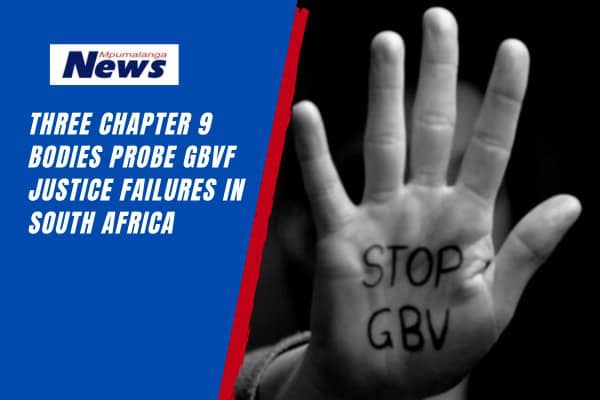
Three Chapter 9 bodies probe GBVF justice failures in South Africa
Public submissions for the national inquiry into criminal justice breakdowns have been extended to September 11 to give stakeholders and survivors additional time to contribute.
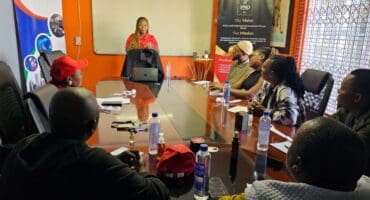
Investigators are examining systemic failures in South Africa’s criminal justice system that prevent gender-based violence and femicide survivors from accessing justice.
The initiative brings together three Chapter 9 institutions of the South African Constitution: the Commission for Gender Equality, the South African Human Rights Commission, and the Commission for the Promotion and Protection of the Rights of Cultural, Religious and Linguistic Communities (CRL Rights Commission).
Operating under their constitutional mandates to uphold human rights and institutional accountability, the commissions are examining why survivors across Mpumalanga and the country face barriers when seeking justice, despite recent legislative reforms.
Rooted in Pillar Three of the National Strategic Plan on GBVF, the inquiry aims to evaluate institutional co-ordination, identify systemic breakdowns and produce concrete recommendations for reform.
ALSO READ: IEC outlines readiness and safety plans ahead of November 4 elections
Inquiry examines pre-trial barriers
The inquiry is being conducted in distinct phases, with the initial phase focusing on two key pillars of the legal process:
• Investigating the challenges victims and families face when accessing protection orders, police reporting desks, shelters and Thuthuzela Care Centres. This focus includes examining instances of secondary victimisation, trauma care accessibility and the specific hurdles experienced by vulnerable groups, including children, persons with disabilities, LGBTQIA+ individuals, migrants and families of deceased victims.
• Evaluating the operational performance of law enforcement and legal structures prior to trial. Key areas of investigation include police response delays, handling of forensic evidence, case docket management, reasons behind frequent case withdrawals, bail processes and inter-agency co-ordination between police, the National Prosecuting Authority, health services and social service providers.
To ensure the inquiry’s findings are grounded in evidence, the commissions are gathering written and oral contributions from survivors, legal experts, community-based organisations, researchers and service providers.
ALSO READ: Mpumalanga launches AgriBEE structure in Mbombela
Submission deadline extended to September 11
The South African government released a statement on August 12 confirming that the submission deadline is September 11.
It said the commissions have received an overwhelming response to the public call for submissions issued on July 18, reflecting the significant public interest in the inquiry and the collective commitment of victims and survivors, families, civil society organisations, community-based organisations, researchers, legal practitioners, service providers, academics, institutions and members of the public to contribute towards strengthening South Africa’s response to GBVF.
The commissions extended the submission window following numerous requests from stakeholders needing additional time to consult affected communities and prepare detailed submissions.
Submissions should be directed to:
• Tsietsi Shuping: tsietsi@cge.org.za
• Adv Afika Nqeto: anqeto@sahrc.org.za
• Adv Sphezulu Zulu: sphezulu@crlcommission.org.za