
SA leaders ignore social justice which is solution to ending corruption – Madonsela
While the Covid-19 pandemic exposed further corruption in the state, this could be solved once government prioritises social justice which would ensure equality among citizens.
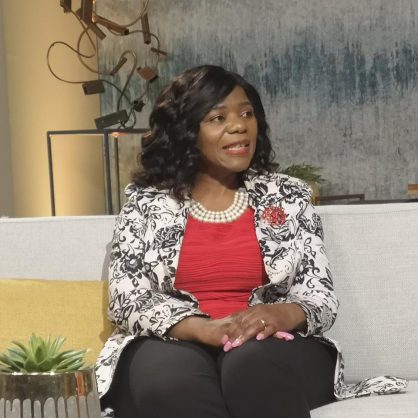
For South Africa’s government to embrace opportunities that arise from the Covid-19 pandemic, it needs to prioritise social justice, which will lead to making progress in solving corruption in the state, said former public protector Thuli Madonsela.
Madonsela was speaking at a webinar by the University of Free State on Thursday where panellists discussed politics during and post-Covid-19, The Citizen reports.
While corruption remained rampant during the pandemic, she said there were opportunities within the health crisis and that South Africa should go back to the fundamentals of social justice which were seemingly ignored by politicians. This was despite it being one of the founding visions of the Constitution, said Madonsela.
“Trust me, none of the leaders of this country ever mention social justice as a justification for any decisions they are going to make. I could possibly count less than five times that any leader in parliament has ever mentioned the phrase ‘social justice’,” she said.
“Inequality is hamstringing our economic development. If you have resources at your disposal for development and you only use 10% of those resources, it’s not rocket science that you won’t be a giant among giants. Social justice is important because we can’t make progress on corruption if we don’t handle [social justice]. This is what I noticed as public protector.”
But the pandemic revealed problems which were already known but were brought to the surface in a dramatic way, said Moeletsi Mbeki, the economist and deputy chairperson of the South African Institute of Internal Affairs.
He said the Covid-19 pandemic further reduced the resources which were already scarce, which creates a crisis.
“They now have fewer resources and haven’t had time to adjust as to how they are going to distribute these resources among themselves, let alone the broader society,” Mbeki said.
“The resources are less and less and [government] now has to decide how to distribute them… We are now having to borrow [money], which is the second crisis we are faced with.”
But the tide was indeed turning as the National Prosecuting Authority (NPA) and law enforcement agencies had started taking action on those who were involved in corruption, said Madonsela.
She said it was “foolish” to expect the new NPA head Shamila Batohi to prosecute those implicated in corruption in her first few months into the new job as this could “mess up” the case.
“Every time Ms Batohi was criticised for not having someone prosecuted in the first few months of her office, I understood that would have been foolish. If you have a case and have someone prosecuted and the court finds them not guilty, it’s like someone been given a clean bill of health by a doctor,” said Madonsela.
“Civil society let its guard down too soon. We really need to double up on social accountability and people understanding what is at stake and why should the law take its course.”
Notice: Coronavirus reporting at Caxton Local Media aims to combat fake news
Dear reader,
As your local news provider, we have the duty of keeping you factually informed on Covid-19 developments. As you may have noticed, mis- and disinformation (also known as “fake news”) is circulating online. Caxton Local Media is determined to filter through the masses of information doing the rounds and to separate truth from untruth in order to keep you adequately informed. Local newsrooms follow a strict pre-publication fact-checking protocol. A national task team has been established to assist in bringing you credible news reports on Covid-19.
Readers with any comments or queries may contact National Group Editor Irma Green (irma@caxton.co.za) or Legal Adviser Helene Eloff (helene@caxton.co.za).
Read original story on citizen.co.za

