
Supreme Court of Appeal dismisses two applications by Eskom
Residents and business owners escaped the dreaded January 11 cut-off date of bulk electricity supply to Thaba Chweu Local Municipality (TCLM).
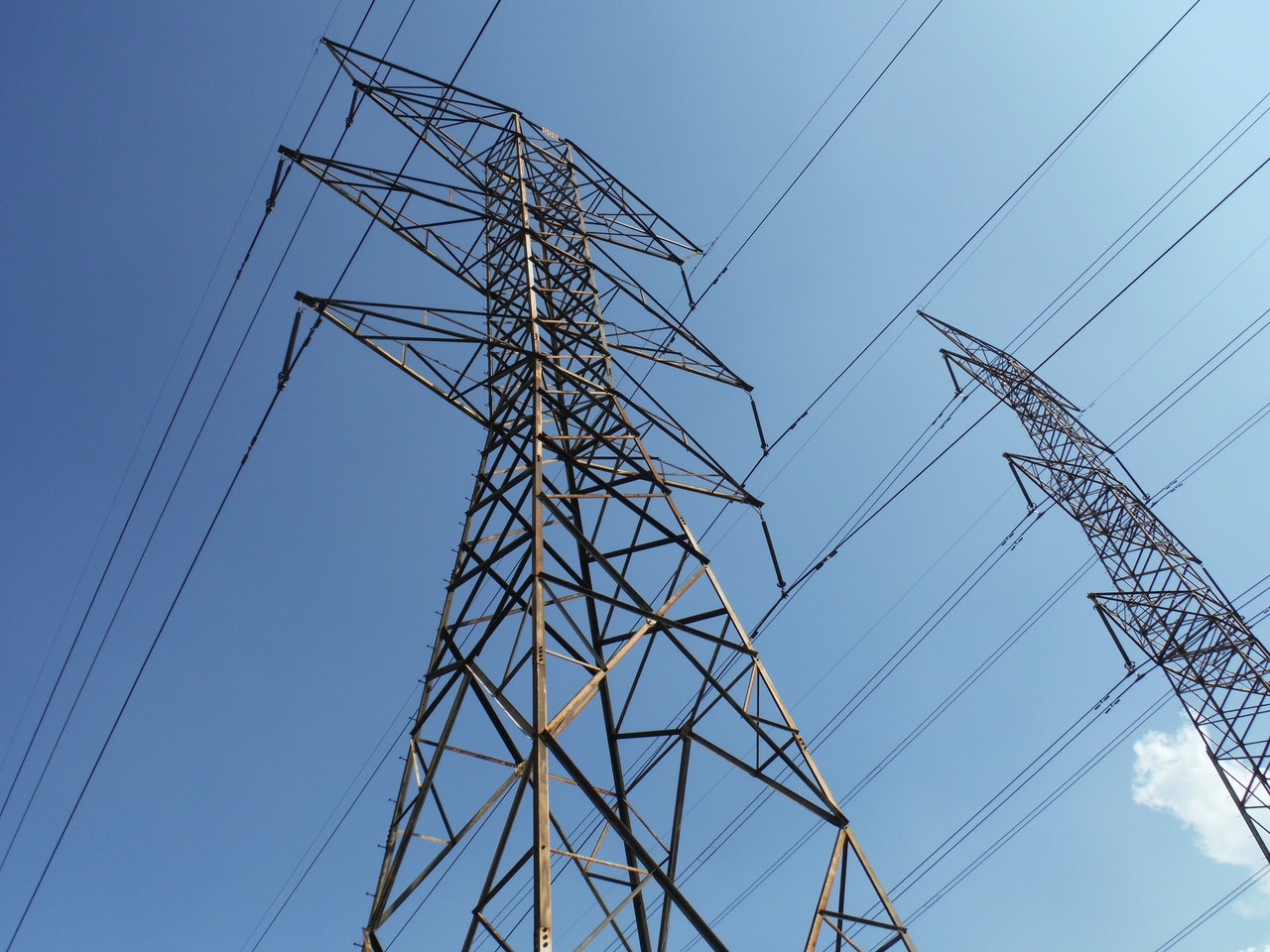
The Supreme Court of Appeal dismissed two applications by Eskom, one against TCLM and another against eMalahleni Local Municipality, on December 28.
The matter was argued before the appellant division on August 27 and 28, 2020.
The court’s deputy president, Xola Petse, wrote in an unanimous judgement by the full bench that the national and provincial governments need to intervene in the financial crises. The court also stated that Eskom had attempted to coerce municipalities to pay when they were unable to do so.
TCLM owes Eskom about R407 million, but signed an undertaking to pay off the accumulated debt in agreed monthly instalments.
This agreement was not honoured by TCLM.
Gwilym Rees‚ who filed an affidavit on behalf of the chambers‚ explained the effects of the cuts.
“Firstly‚ when the power supply is cut‚ all sewage works immediately come to a standstill. This means that sewage is not pumped to the sewage processing plants‚ but instead will simply sit (and will eventually spill into the streets) for the duration of the cut-off‚ with the associated serious risks to the health of the community.”
On March 7, 2019, the High Court found in favour of one of the applicants, Resilient Real Estate and the chambers‚ and said Eskom’s decision was unlawful. It held that Eskom failed to comply with its constitutional and statutory obligations to make every reasonable effort to settle the dispute that arose between it and the municipalities about the implementation of its decision to interrupt the supply of bulk electricity.
Eskom appealed the decisions‚ but the Supreme Court of Appeal dismissed it with costs. It said Eskom had realised the parlous state of the municipalities warranted intervention by the provincial government and‚ if need be‚ the national government.
The court said this avenue was not explored, because Eskom had not been prepared to wait for that process to unfold.
Eskom tried to threaten the municipalities into payment when they were aware TCLM and eMalahleni were financially strapped, the court said.
The court said the record showed that the two municipalities had been in this financial crisis for nearly two decades.
“Given their parlous financial state‚ it is hardly surprising that they defaulted on their payment arrangements with Eskom.”
Read original story on lowvelder.co.za

