
WATCH: E-hailing to be regulated in SA, as protesters apply pressure
“Some cars are not registered on profiles to pick up clients, while other drivers can easily exchange profiles.”
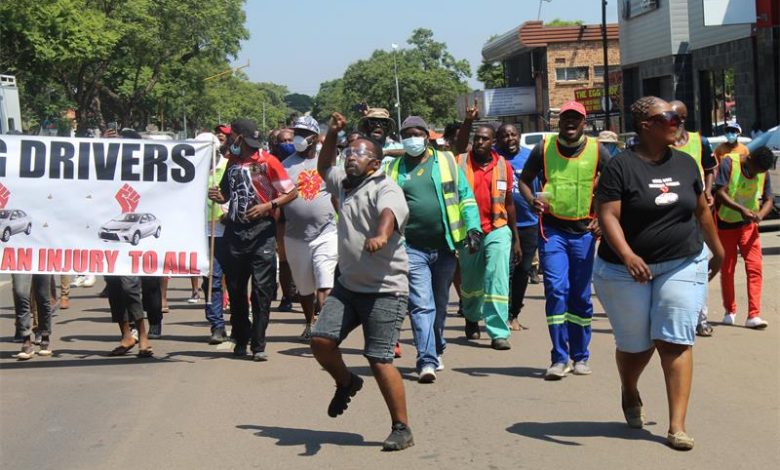
The transport department today said that legislation to regulate e-hailing services such as Uber and Bolt was currently awaiting approval.
This was revealed following a protest march by drivers for such services in the Pretoria CBD on Wednesday.
The protesters demanded the government intervene because they believe these companies were not doing enough to protect them.
Issues include drivers suffering continued security issues, deaths of drivers, losses of vehicles due to payment issues, hijacking and robberies.
Some Uber and Bolt drivers on Tuesday and Wednesday went offline in support of the protest after attacks on drivers at Bosman, Hatfield and Sunnyside stations.
The protesters marched to the transport department’s offices in Struben Street, Pretoria Central.
Henry Mathebula and Nomagugu Ndiweni said they were upset with the transport minister tweeting on social media on other issues but not addressing their memorandum submitted in October last year, also asking for his intervention.
“We haven’t received any responses,” said Mathebula.

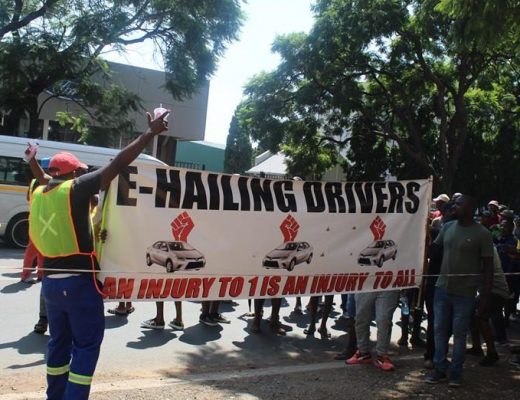
“And since then we have had numerous friends, colleagues die because of being an unregulated service.”
Mathebula said the protest was a stand against the unfair treatment and exploitation of drivers and operators by the e-hailing companies.
He said e-hailing drivers faced many security problems.
“They are not protected at all and remain in constant danger.”
Mathebula said government must regulate these companies to stop drivers and owners from being exploited further.
According to him, many leading e-hailing apps did not have any customer verification systems.
Therefore anyone wanting to rob a driver can get a SIM card, download the app and book a ride.
“Since our protest last year October, we have lost three of our drivers to violence. We are have had enough of the government’s silence.”
Ndiweni said many young people work for e-hailing services.
She said further that the pricing of e-hailing services was causing a stir with other road operators such as meter taxis and mini-bus taxis, and it left them as casualties during disagreements on the roads.
“This has obviously let consumers to flock to us because of our low prices, but now we are being targeted by the drivers of other non-e-hailing services.”
She demanded that pricing had to be regulated to match other role payers in transport to ensure a safe industry for all.
Tshwane driver Mphometsi Leshaba said e-services companies were failing them as drivers.
“The problem is that when their security response units are dispatched, they do not respond fast enough especially in townships.”
Leshaba said by the time a unit arrived at a scene, drivers had already lost their cars, money or lives.
E-hailing services really needed to improve their apps as they had loopholes for anyone to commit a crime on drivers and riders, she added.
“Some cars are not registered on profiles to pick up clients, while other drivers can easily exchange profiles.”
Acting public transport deputy director-general Johannes Magkhatho said new legislation to regulate e-hailing services was currently awaiting approval.
“As soon as the legislation has been approved, it will be made public.”
He said the legislation had already been put through parliament and “necessary consultation processes”.
Currently, the Presidency was looking at whether the proposed legislation could impede on anyone’s constitutional rights, he added.
Magkhato said when they first received a memorandum of grievances from the group of protestors, “government never folded their arms”.
He said the department had failed to respond to the memorandum as it would have been premature to issue a partial response on a matter that was being fully attended to by government.
“As a department and a government, we do care.”
Read original story on rekord.co.za

