
Recent matric results publication decision to be challenged in court
Earlier this week, the basic education department announced that the 2021 NSC exam results would not be published in the media.
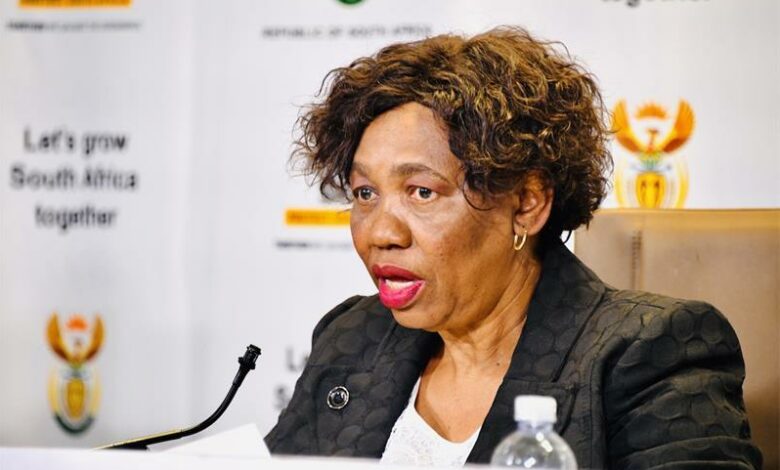
Civil rights organisation AfriForum plans to challenge the basic education department’s recent decision not to publish the 2021 matric results in the media in court next week.
This as the organization served, amongst others, minister Angie Motshekga, with court papers to oppose her department’s decision on Friday.
The urgent application was expected to be heard in the North Gauteng High Court on Tuesday, January 18, before matric results are released on Thursday, January 20.
“To water down the magnitude of the occasion will eventually undermine the pursuit of excellence in education,” AfriForum’s manager for education rights Natasha Venter said.
She added that the public excitement which accompanied the publication of these results in the media also served as motivation for future matriculants.
On Tuesday, Motshekga announced that matric results would no longer be published in the media as a result of the Protection of Personal Information Act (Popia), 2013 (Act no. 4 of 2013).
The legislation came into effect on July 1, 2021.
ALSO READ: 2021 matric results not to be published on public platforms
“In order to comply with the provisions of the Popia, the usual practice of publishing the National Senior Certificate (NSC) examination results on public platforms (media platforms), will not occur for the 2021 NSC examination results,” she said.
Motshekga further said that her department recognised that Section 14 of the Constitution also provided everyone the right to privacy – this included protection against the unlawful collection, retention, dissemination and use of personal information.
However, Venter said the Department of Basic Education could not hide Popia to justify its “irrational decision”.
“Only the examination numbers of the students are published on media platforms. In other words, no personal information or the identities of learners will be made public without their consent,” she said.
Venter also said information should, within the ambit of the law, be freely available in a democratic country.
“This a principle that the department should support,” Venter said.
Read original story on rekord.co.za

