
KZN rhinos under threat, while private owners want horn trade ban lifted
In SA, half the white rhinos can be found on private land, but the cost of keeping them safe from poachers is becoming exorbitant.
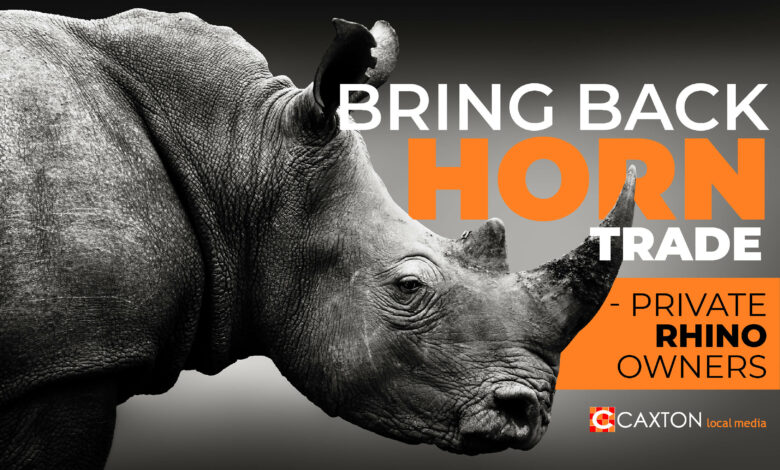
While the recently released , showing a downward trend in almost all national and provincial parks, have been welcomed, the alarm bells are ringing for the rhinos of KZN.
Last year saw a 139% increase in the number of animals poached, from 102 in 2021 to 244 in 2022. Hluhluwe iMfolozi Park, home to the founder population of the world’s southern white rhino, was particularly hard hit.
Bonné de Bod, acclaimed wildlife filmmaker best known for Stroop: Journey into the rhino horn war, says Minister of Forestry, Fisheries, and the Environment Barbara Creecy has said that KZN authorities must start following the department’s model to curb rhino poaching before it is too late.
What does that mean?
“Ezemvelo KZN Wildlife reports directly to the provincial legislature, which then reports to the national government. So Ezemvelo does not answer directly to the Department of Forestry, Fisheries and the Environment. And that is the difference between SANParks and Ezemvelo,” De Bod says.
“Dehorning as a strategy has been implemented by SANParks in all its parks, including the Kruger National Park,” she adds, saying that patrolling rangers are supported by an airwing unit and other anti-poaching technologies.
“In Hluhluwe iMfolozi, however, anti-poaching relies on foot patrols, tip-offs from communities, and police inside the park.
“The park has also chosen to not dehorn its rhinos. This is because they feel visitors want to see rhinos with their horns intact. The minister’s statement clearly indicates the province will have to change its rhino strategy or else there will be no rhinos for the tourists to see, horned or dehorned.”
In the wake of the shocking 2022 rhino poaching statistics for KZN (244 rhinos killed), Ezemvelo spokesperson Musa Mntambo has been quoted as saying dehorning could be an option to protect the province’s rhinos. A final decision would only be made after consultation with all relevant stakeholders.
Allow rhino horn trade
Despite widespread opposition to the rhino horn trade, the Private Rhino Owners Association (PROA) has been vocal about its support of allowing trade again.
PROA chairman Pelham Jones told Caxton Local Media that trading horns from the existing local stockpile will bring much-needed foreign revenue into the South African economy.
“South Africa holds over 80 tons of horn and, if sold, this will achieve three key objectives. It will bring over R80b of foreign revenue into the economy and help fund conservation efforts, it will provide much-needed revenue for job creation and transformation in the wildlife industry, and, most important of all, save rhinos.
“Through a transparent and regulated trade, there is no longer a need to poach rhinos when horns can be legally bought. As with most bans or prohibitions, the current policies are not working and it is time to find a constructive long-term solution as all attempts in the past have failed to stop poaching.”
Private sector main custodian of rhinos
The unsustainable rate at which rhino numbers in Africa are declining in state-run parks has led to private rhino owners now conserving at least half of the continent’s remaining rhinos, with communal lands conserving a growing proportion as well.
This is according to a new paper published in Frontiers in Ecology and the Environment by scientists from Stellenbosch University, Nelson Mandela University and the University of Helsinki.
In South Africa, the proportion of the country’s white rhinos on private land increased from 25% in 2010 to 53% in 2021. This means that private landholders in South Africa collectively support the largest number of white rhinos on the continent.
Jones believes these figures are conservative. “If you add population growth on private reserves to this baseline, private reserves own over 60% of the nation’s rhinos. The private reserves are showing positive growth after poaching losses and natural mortality of some 7.2%. This positive growth is a reflection of the excellent biological management and security on private reserves.”
The paper also mentions the cost of protecting rhinos by private rhino owners, stating that on average they now spend $150 000 (around R2.64m) per year on security measures to protect their rhinos. According to Jones, it has had a significant impact.
“As a result of high-security costs and losses, over 100 private reserves no longer have rhinos. The impact of Covid on international tourism revenues had a very detrimental impact on private reserves and rhino ownership has become a massive liability.”
Last year, the Wildlife Justice Commission published its global threat assessment report into rhino horn trafficking from 2012 to 2021, describing it as a form of ‘transnational organised crime that is driving rhinos to extinction’.
South Africa was singled out as one of six countries dominating the supply chain as source, transit and destination locations. The country was also linked to half of all rhino horn seizures globally over the past 10 years.
Also read: Rhino poaching statistics: KZN the new hotspot
Read original story on zululandobserver.co.za

