
SAPS Endangered Species Unit closure threatens SA wildlife and tourism
Closing the police's Endangered Species Unit puts wildlife at risk, potentially increasing poaching and weakening conservation efforts.
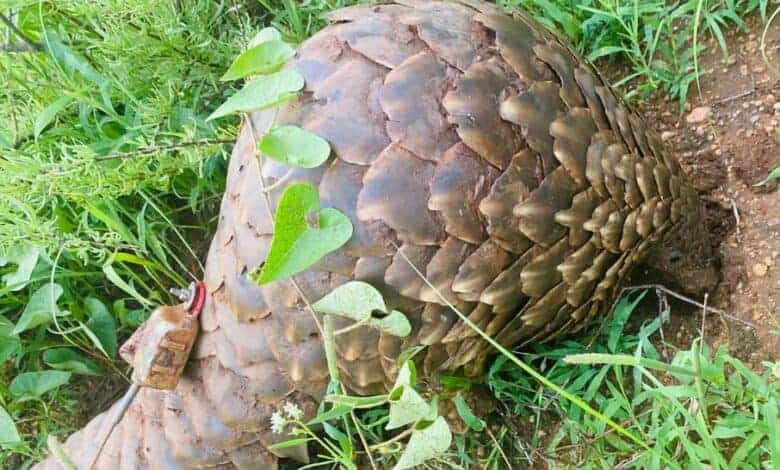
The closing of the SAPS Endangered Species Unit (ESU) is a devastating blow to conservation.
According to an article published by Letaba Herald, Amy Aucamp-Clark from the Scales Pangolin Rescue Fund in Hoedspruit says the closure of the ESU will have severe and far-reaching consequences for endangered wildlife in South Africa.
Aucamp-Clark has started a petition in protest of the closing of the unit, that was recently liquidated.
She says poaching and illegal wildlife trade will spike if the unit closes. “Without it, criminal networks will operate with less risk of being caught, leading to more scales, horns, tusks and skins smuggled across borders.”
According to her, the loss of expertise and the rapid response are also problematic.
“The ESU was staffed with highly trained officers who understood the complexities of wildlife crime. Their absence means slower response times to wildlife emergencies, including poaching incidents, a lack of trained personnel to investigate and shut down illegal wildlife networks and conservation organisations losing a key partner in law enforcement, making their work harder,” she says.
She adds that the ESU played a crucial role in collaborating with NGOs, game reserves and conservationists.
“Without their support, conservation groups will struggle to protect high-risk species, wildlife sanctuaries and rehabilitation centres may face higher security risks, and South Africa’s ability to meet global conservation commitments will be weakened.”
She says the closure will also impact tourism. “Wildlife conservation drives eco-tourism, which is a major economic contributor in South Africa. With an increase in poaching, tourist numbers may decline, affecting communities that rely on conservation-based tourism, and the loss of key species could damage ecosystems and biodiversity.”
Aucamp-Clark says wildlife crime is often linked to organised crime syndicates which engage in other illicit activities like arms smuggling and drug trafficking.
“A weaker ESU means greater criminal activity that extends beyond conservation and increased risks for rangers and law enforcement officers on the ground. This is a step backwards for conservation,” she adds.
View this post on Instagram
Breaking news at your fingertips… Follow Caxton Network News on Facebook and join our WhatsApp Channel.
Read original story on www.citizen.co.za

