
Do you know what’s in your pet’s food? Here’s what to look out for
The packaging may claim that your pet’s food is healthy and nutritious, but the ingredient list on the back could tell a different story.
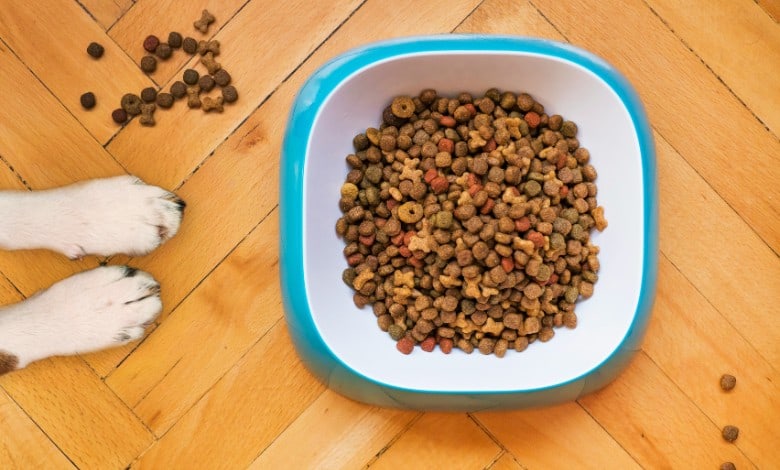
You probably look at the ingredients in most of the foods you buy for yourself, but have you considered looking at what’s in your dog or cat’s food? Most of us probably haven’t turned the bag around, but being curious about what we feed our pets is as important for them as it is for ourselves.
- How to know if your dog might need better food?
The quality of a pet’s diet can be reflected in everyday signs. Digestive issues, poor-quality stools, fluctuating energy levels, unnecessary weight gain, itchy skin, red ears or paws, poor coat condition, fussiness at mealtimes and declining mobility in older pets can all be reasons to take a closer look at your pet’s overall nutrition. These signs can have many contributing factors and should not automatically be solely attributed to diet, but nutrition remains a vital part of the overall picture.
- What to look out for in the ingredients:
Look for real, named meat among the first ingredients and recognisable whole food ingredients, while considering whether the recipe avoids unnecessary fillers, artificial additives and highly processed ingredients, and whether the food is designed to support a pet’s biological needs rather than simply meeting minimum nutritional requirements.
- What you want to be wary of:
Depending on the formulation, some pet foods can contain vague or unnamed animal and plant derivatives, by-products or mystery meals, industrial grains and lower-cost fillers, highly processed ingredients, artificial flavours and preservatives, as well as generic or synthetic vitamin and mineral additives. While the presence of any one ingredient does not automatically determine whether a food is good or bad, understanding what makes up the overall diet can help owners assess the quality and nutritional value of what they are feeding their pets.
Highly processed ingredients, artificial flavours and diets that rely heavily on carbohydrates may not provide the variety and nutritional quality that many pet owners assume they are providing based on claims on the front of a bag.
- Can I feed my pet the same food throughout their life?
Ideally, you want to adapt the food depending on what stage of life your pooch or cat is at. As pets age, their nutritional needs also change, as does their ability to effectively extract nutrition from lower-quality diets. Adequate, quality protein is particularly important for maintaining muscle mass, mobility and overall condition in older pets. Similarly, diets high in fast carbohydrates and lower-quality fillers can contribute to excess weight gain without necessarily delivering the nutrition a pet needs.
Content by Pack Leader.
For more on pets, visit Get It Magazine.




