5 gardening habits that can harm the environment
As more people look for ways to garden sustainably, it's worth taking a closer look at everyday gardening habits.
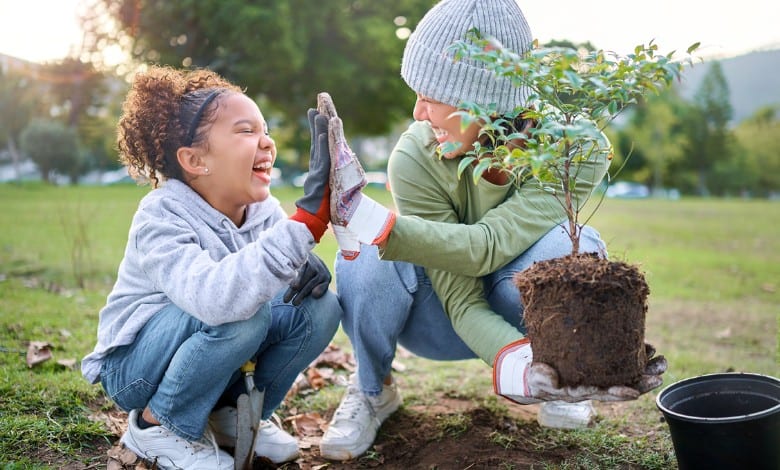
Small changes in how we care for our gardens can help conserve resources, support biodiversity and create healthier outdoor spaces.
These five common gardening habits may be doing more harm than good, so here are some practical tips to fix them:
1. Reaching for chemicals at the first sign of bugs
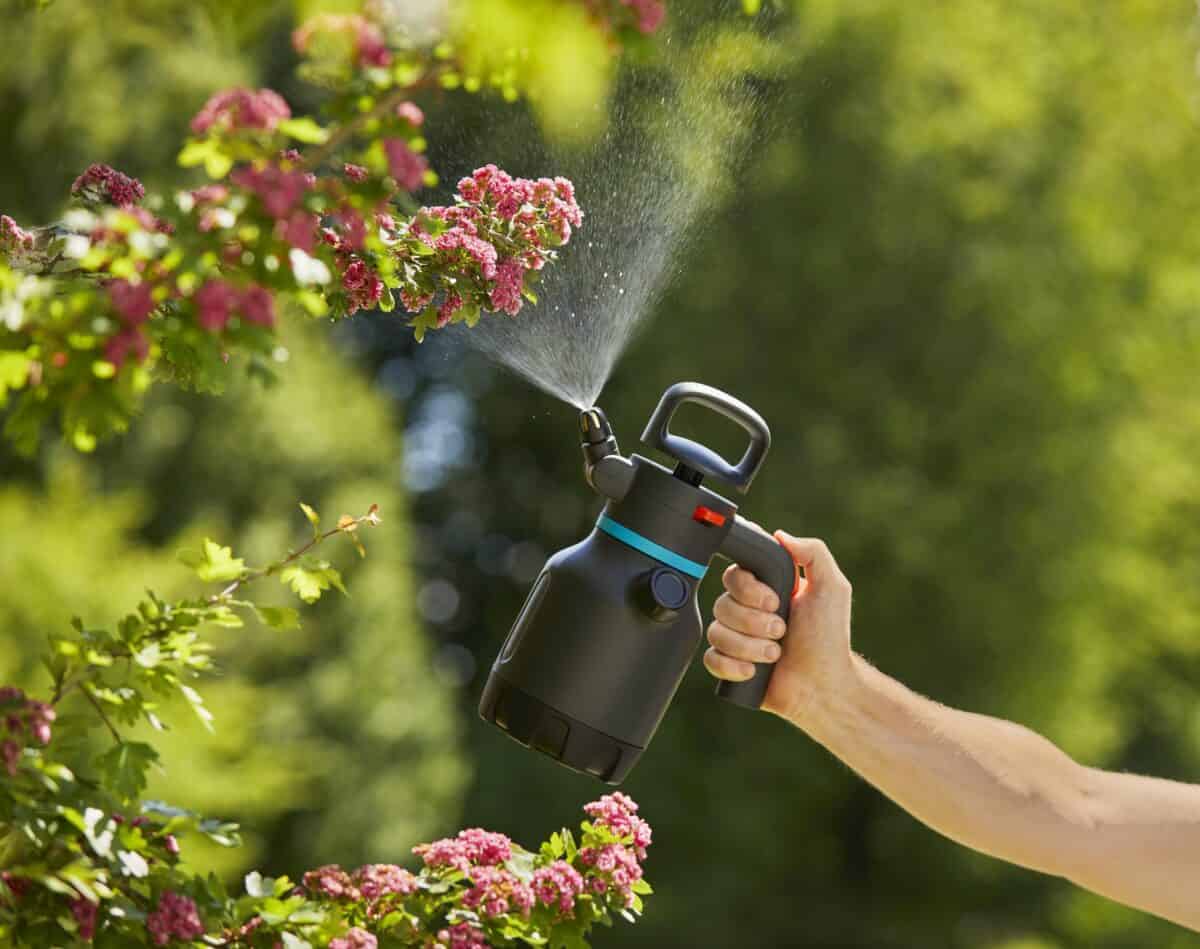
A few holes in a leaf are not necessarily a cause for alarm. Many insects are actually beneficial to the garden and help to control pests naturally. Spraying too quickly can kill helpful insects along with harmful ones, disrupting the garden’s natural balance.
Do this instead: Remove affected leaves by hand, wash pests off with a jet of water, and use a natural insecticide if necessary.
2. Watering in the middle of the day
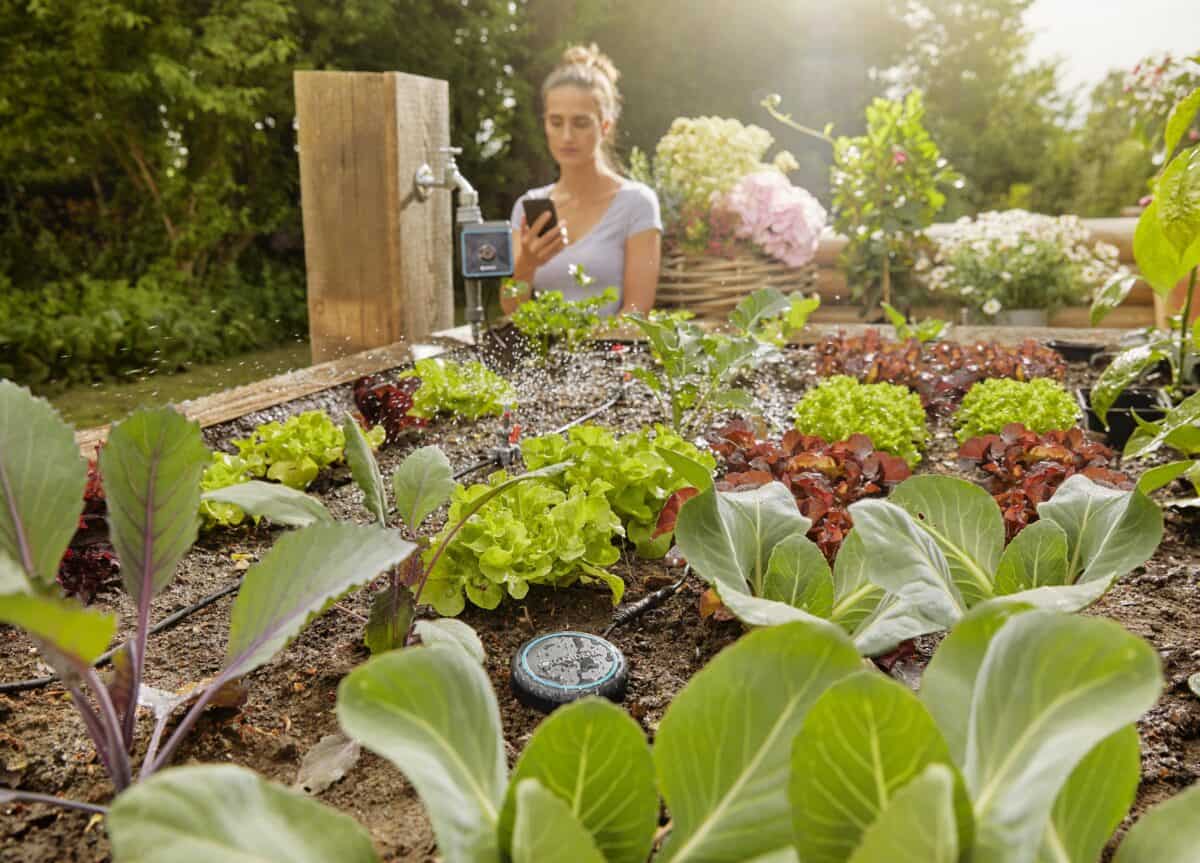
You may be tempted to water during the middle of the day, especially when plants look particularly wilted in the heat. But this is often when water is least effective, as much of it can evaporate before it properly reaches the roots.
Do this instead: Water early in the morning or late afternoon when it’s cooler. This reduces evaporation, helps more moisture reach the roots, and conserves water.

3. Overwatering plants
More water does not always mean healthier plants. Constantly wet soil can weaken roots, encourage disease, and slow growth. In winter, when soil stays moist for longer, it’s especially important to avoid overwatering.
Do this instead: Check the soil before watering. If it still feels damp a few centimetres down, hold off. Different plants also need different amounts of water, so let the soil and the plant guide you rather than sticking to a fixed routine.
4. Pruning too aggressively
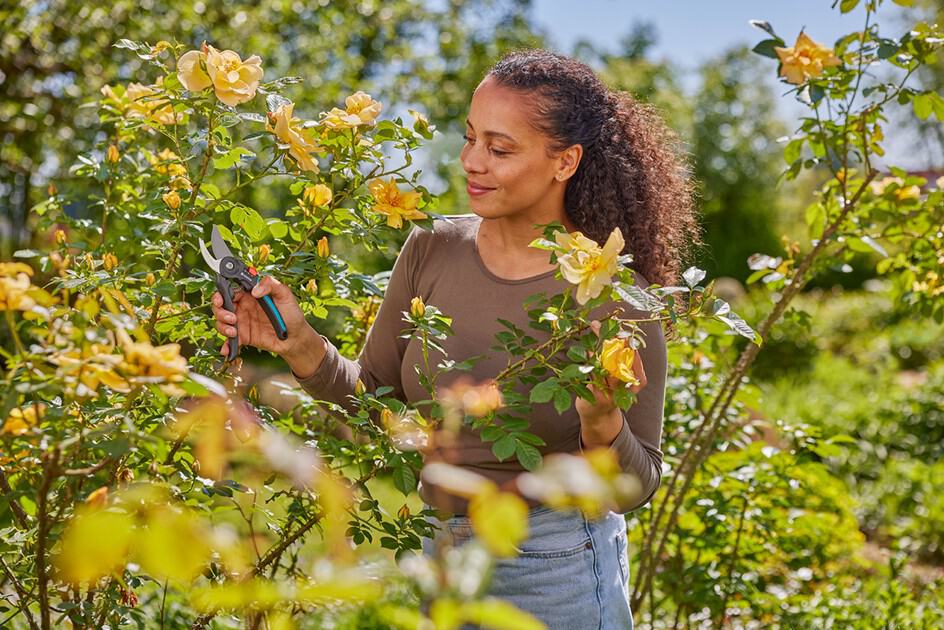
Pruning can encourage healthy growth but cutting back too much or too often can stress plants. It also removes natural shade and ground cover, leaving soil more exposed to heat, wind and moisture loss.
Do this instead: Prune with purpose. Remove dead, damaged or overcrowded growth first, and avoid heavy cutting unless the plant genuinely needs it. Where possible, keep some natural coverage to help protect the soil.
5. Treating all weeds as enemies
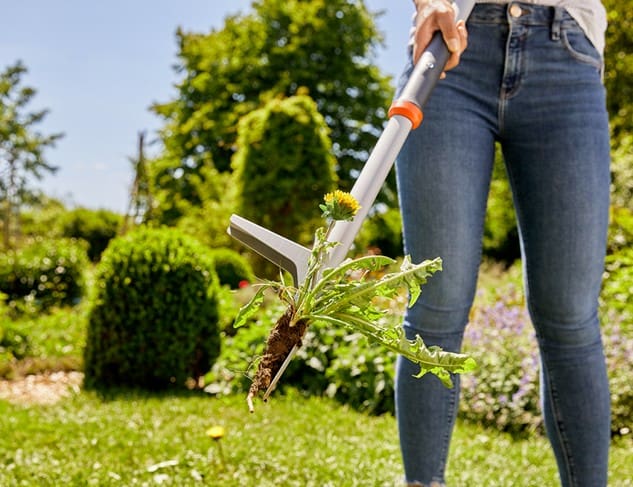
Weeds can be frustrating, and invasive ones do need to be dealt with, but not every unwanted plant needs a chemical response. Reaching for herbicide too quickly can harm surrounding soil, nearby plants and the small organisms that keep a garden healthy.
Do this instead: Start by pulling weeds out by hand when the soil is damp and roots lift more easily. Add mulch where appropriate to suppress new weeds and improve soil health so desired plants can thrive. While invasive weeds do need attention, not every unwanted plant requires an immediate chemical response.
Content by GARDENA SA
For more on gardening, visit Get It Magazine.