
Joburg herbal mixologist transforms African botanicals into artisanal cocktails
From marula infusions to fermented roots, traditional medicinal plants are taking centre stage in artisanal drinks.
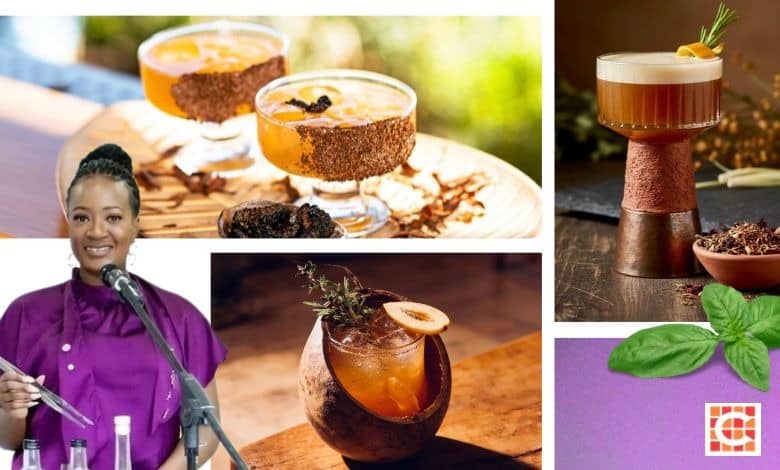
Cocktails don’t always have to be about the usual fruity flavours, colourful syrups and familiar ingredients, with some of the most distinctive creations emerging from unexpected native plants.
That’s exactly what Johannesburg herbal mixologist Lucinda Zinyemba is exploring through her business, Lucy’s Magique.
From marula and African horned cucumber to sorghum and indigenous herbs, Zinyemba is bringing a taste of African heritage to modern mixology, creating drinks that are as much about storytelling and discovery as they are about flavour.
Zinyemba believes that every ingredient has a story, and every drink is an opportunity to introduce people to something they may not have experienced before.
A passion rooted in curiosity
Zinyemba describes herself as an entrepreneur and storyteller whose medium is cocktails, though her interest in herbal mixology began long before Lucy’s Magique came to life.
Growing up, she was familiar with her grandmother’s remedies and her mother’s homemade concoctions; herbal teas, roots and other traditional ingredients were part of everyday life, although she admits she wasn’t particularly fond of them at the time.
Years later, while at college, she found herself revisiting those same plants, exploring their properties and learning more about their potential.
She became fascinated by the idea of taking ingredients traditionally associated with medicinal use and presenting them in a way that encouraged people to appreciate their flavours.
“I stopped treating the plants as something to finish quickly and started asking how to make them worth lingering over,” she explains.
That curiosity eventually inspired her business, which was born from a desire to showcase African herbs, fruits, roots and flavours in a fresh and creative way.
Not your average cocktail ingredients
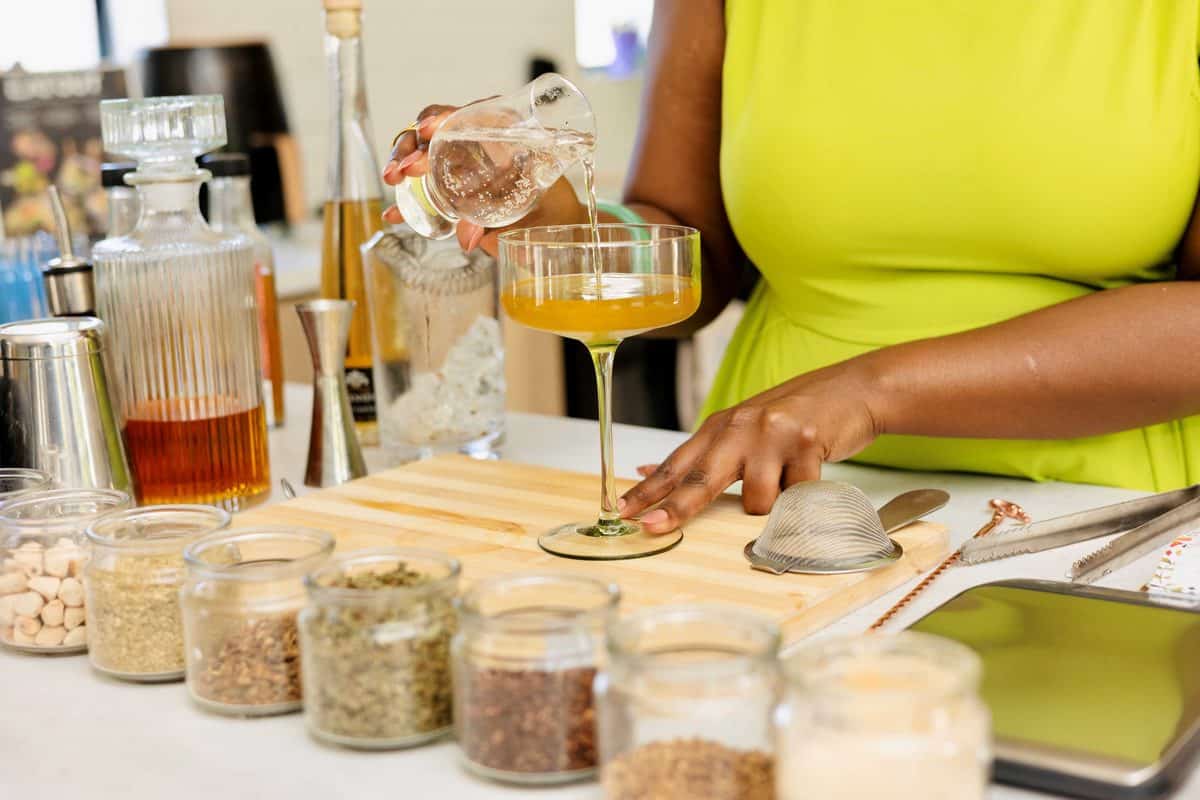
While traditional mixology focuses on combining flavours and techniques to create enjoyable drinks, herbal mixology places botanicals and their aromas, flavours and distinctive characteristics at the centre of the experience.
Zinyemba has developed her own approach, which she calls Bantu Mixology. It celebrates African indigenous botanicals, roots and flowers, bringing traditional knowledge and cultural heritage into contemporary cocktail-making.
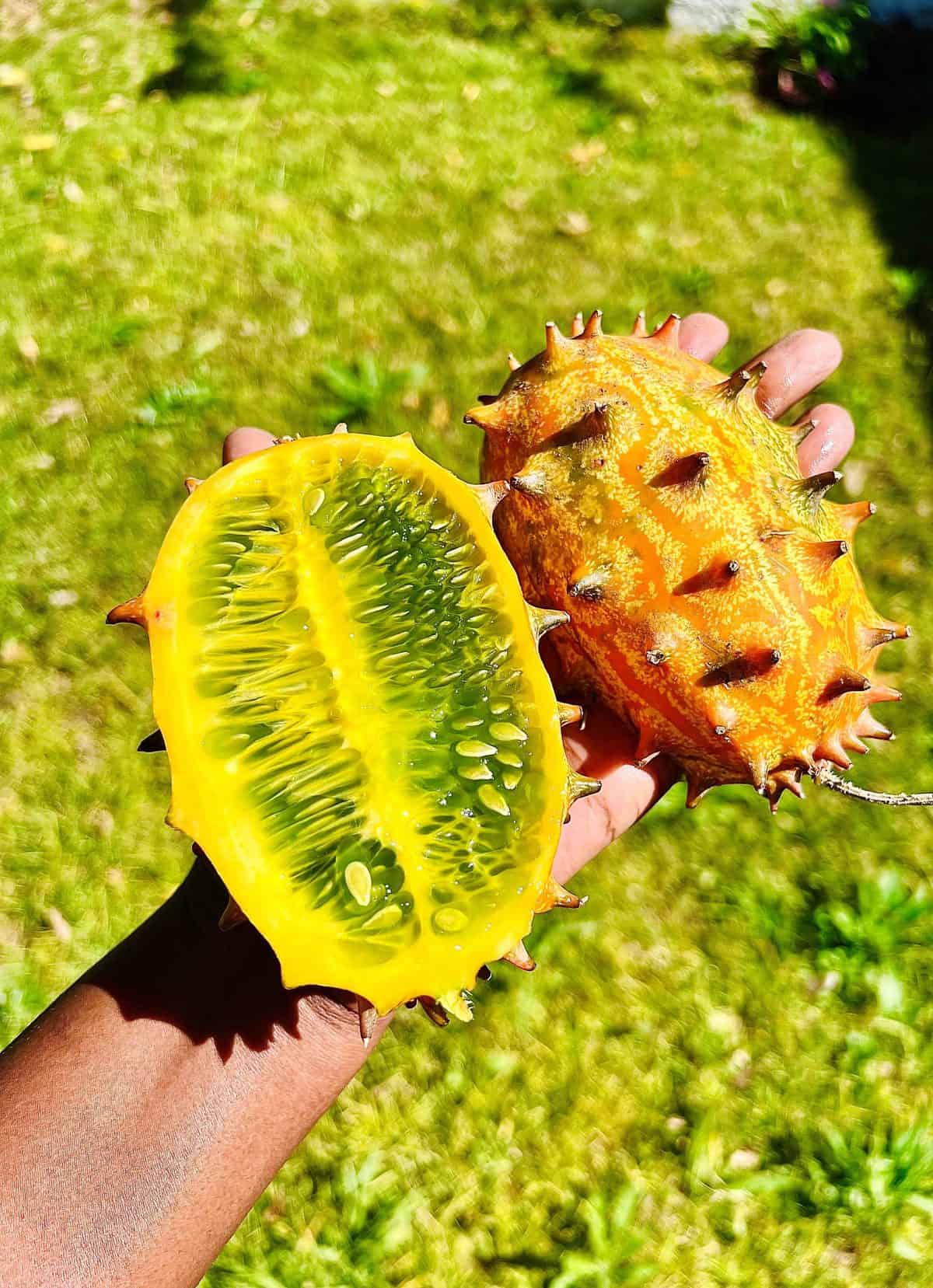
Her creations draw on ingredients such as marula, African horned cucumber, Malabar spinach berry and sorghum, alongside a selection of indigenous roots, seeds and flowers.
She also incorporates traditional food-processing techniques, including drying, steeping and fermentation, to bring out the character of different ingredients.
Rather than masking their natural flavours with lots of other additions, Zinyemba prefers to let the botanicals take centre stage, allowing people to discover their unique qualities.
A lighter approach to cocktails
Zinyemba’s creations are predominantly low alcohol by volume (ABV), with some being completely alcohol-free. ABV indicates how much pure alcohol is in a drink, expressed as a percentage of the total liquid.
Using natural fermentation and gentle herbal infusions, she keeps the alcohol content moderate, allowing the focus to remain on the flavours and botanicals rather than the alcohol itself.
The drinks serve different occasions and preferences. Some are created for celebrations and social gatherings, while others are designed to help people unwind, offer a gentle energy boost or provide botanical ingredients traditionally associated with digestion, relaxation and feminine wellness.
Zinyemba points out that these drinks are not medicines. They are botanical creations intended for enjoyment and gentle support, rather than a substitute for medical treatment.
The art of creating something different
When it comes to developing a new drink, inspiration can come from almost anywhere.
It could be a childhood memory, a conversation, a particular plant or even a story Zinyemba wants to tell in a different way.
Zinyemba starts by tasting the botanical on its own, getting to know its flavour before experimenting with complementary ingredients. The supporting flavours are carefully selected to enhance the main ingredient without overpowering it.
But there’s more to a successful creation than just getting the flavours right.
A drink should evoke a feeling, spark a memory or leave someone curious to learn more about what’s in their glass.
Zinyemba’s masterclasses offer an opportunity for people to experience these ingredients in a new way, with each creation opening the door to conversations about African food traditions, culture and the stories behind the botanicals.
An acquired taste worth exploring
Introducing people to unfamiliar flavours can come with its challenges, particularly when certain ingredients are traditionally associated with bitter medicinal drinks.
However, Zinyemba says one of the most rewarding reactions she receives is: ‘I didn’t know this ingredient could taste like this’.
She believes that developing an appreciation for new flavours takes time. Much like discovering a love for wine, sometimes it takes a second or third taste to appreciate the different layers and characteristics.
What initially comes as a surprise can soon turn into curiosity, with people wanting to learn more about the ingredients and even experiment with them in their own kitchens.
“This is exactly what makes the experience worthwhile,” says Zinyemba.
A toast to African heritage
Beyond creating unusual and exciting drinks, Zinyemba hopes to encourage people to reconnect with the indigenous ingredients that have been part of African food traditions for generations.
With ingredients as distinctive as marula, sorghum and indigenous botanicals finding their way into contemporary cocktails, there’s a whole world of flavours waiting to be explored. And who knows? The next time you raise a glass, you might find yourself looking beyond the usual ingredients and discovering something wonderfully unexpected.
Breaking news at your fingertips… Follow Caxton Network News on Facebook and join our WhatsApp channel.
Nuus wat saakmaak. Volg Caxton Netwerk-nuus op Facebook en sluit aan by ons WhatsApp-kanaal.