Kennel cough: What to do if your dog has it and how to prevent it in future
Think your dog can't get kennel cough because they've never been to a kennel? Think again.
You might think kennel cough is only common in dogs who have been in a kennel or are often around other pooches, but thinking your pup is safe from this highly contagious respiratory infection because they don’t interact with others is a common myth.
Kennel cough spreads through airborne droplets, contaminated surfaces, and even human clothing or hands. If an infected dog sneezes or coughs on you before returning home, you could unknowingly carry the pathogens back to your dog. So even dogs who never leave their property can still be exposed to kennel cough. Direct contact between dogs, like sniffing or licking, can also spread the infection. Contaminated surfaces like water bowls or toys can harbour infectious agents for extended periods.
Canine infectious tracheo-bronchitis, or simply Kennel cough, affects dogs of all ages and breeds. While kennel cough is usually mild in healthy dogs, it can be more severe in puppies, elderly dogs, or those with compromised immune systems.
- How do I know if my dog has kennel cough?
The most recognisable symptom of kennel cough is a persistent cough that often sounds like a honking noise. This coughing may worsen when your dog becomes excited or engages in physical activity. Other symptoms include:
- Retching or gagging (which may resemble choking)
- Sneezing or nasal discharge
- Lethargy
- Loss of appetite
- Mild fever
- When do I need to call the vet?
While most cases resolve on their own within one to three weeks, if your dog has been coughing for more than a few days or shows signs of distress like difficulty breathing or lethargy, you should consult your vet immediately. If your dog loses their appetite or experiences worsening symptoms despite home care measures, professional intervention is essential.
- How is kennel cough diagnosed?
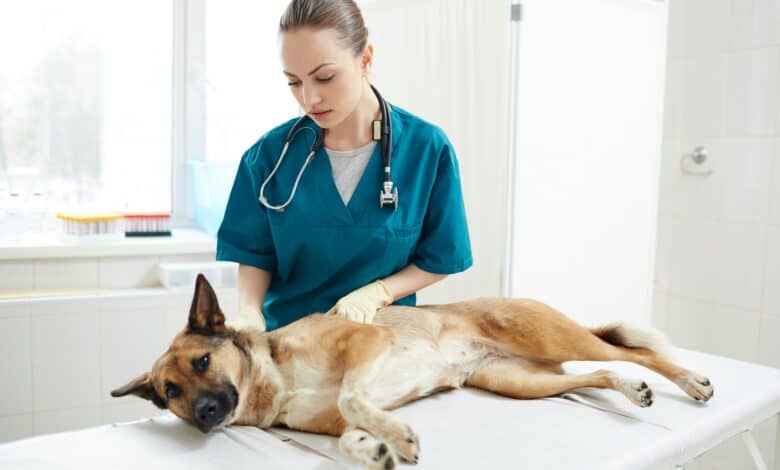
Diagnosing kennel cough involves reviewing your dog’s recent history, including exposure to other dogs, and conducting a physical examination. A veterinarian may gently press on your dog’s trachea to cause coughing. In more severe cases or when complications like pneumonia are suspected, additional diagnostic tests, including chest X-rays or bacterial cultures, may be required.
- How is it treated?
For mild cases, rest and supportive care at home are often sufficient for recovery.
- Make sure your dog remains calm and avoids strenuous activity to prevent further irritation to their respiratory system.
- Provide plenty of fresh, filtered water to keep them hydrated and support their recovery process.
- Using a humidifier can also ease breathing difficulties.
In more severe cases, antibiotics are sometimes prescribed to address secondary bacterial infections that can develop alongside the illness. Antitussive (cough suppressant) medications may be used to manage persistent coughing and provide relief for your dog. Although hospitalisation is rarely required for kennel cough itself, it may be necessary for dogs with severe respiratory distress or complications like pneumonia.
- How can kennel cough be prevented?
- Vaccination is one of the most effective measures available. While no vaccine provides complete immunity against kennel cough because of its multiple causes, it greatly lowers the likelihood of severe illness.
- Good hygiene practices help minimise risk. Regularly clean your dog’s food bowls, bedding, and toys to reduce exposure to pathogens.
- If you touch another dog, wash your hands before touching your dog.
- Avoid high-risk environments like crowded kennels to further protect your pet from contracting the illness.
Content by Anima Strath.
For more on pets, visit Get It Magazine.