Benefits of clay art for Down syndrome children
Clay art therapy has proven to be a transformative and empowering experience for children with Down syndrome.
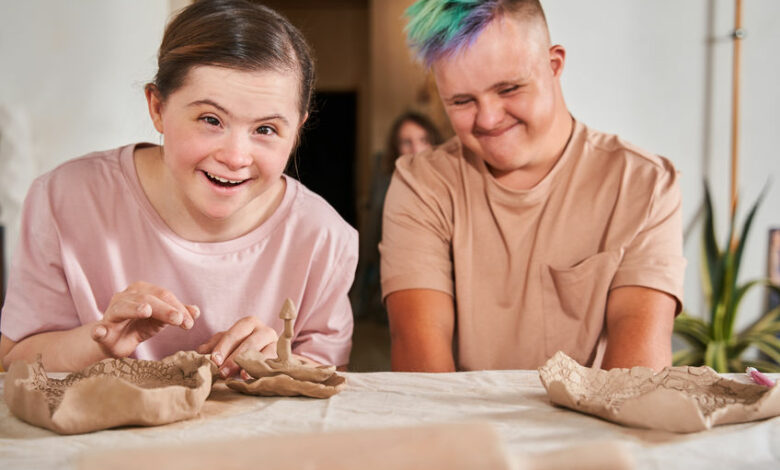
Art has always been recognised as a powerful medium of expression and creativity. For children with Down syndrome, engaging in clay art can be an incredibly beneficial and transformative experience.
Clay art therapy offers these children a unique opportunity to explore their creative potential, enhance their cognitive and motor skills, improve social interactions, and boost their self-esteem. In this feature article, we delve into the numerous benefits of clay art for children with Down syndrome and highlight the importance of integrating this therapeutic approach into their lives.
Enhancing cognitive and motor skills
Clay art engages various cognitive and motor functions, making it an ideal therapeutic activity for children with Down syndrome. Working with clay stimulates their sensory integration, hand-eye coordination, fine motor skills, and spatial awareness. As they mould, shape, and manipulate the clay, they develop their concentration and focus, improving their ability to follow instructions and complete tasks. The tactile nature of clay also assists in refining their sensory processing abilities and stimulating their senses.
Expressive outlet and communication
For children with Down syndrome, verbal expression can sometimes be challenging. Clay art provides a non-verbal medium for self-expression and communication. Through clay, they can convey their thoughts, emotions, and experiences, often expressing themselves more freely than through words alone. The malleability of clay allows them to experiment with various forms and textures, enabling them to create visual representations of their inner world. Clay art thus becomes a powerful tool for fostering communication and emotional development.
Developing social skills and interaction
Clay art therapy provides an inclusive and collaborative environment where children with Down syndrome can interact with their peers and art therapists. Engaging in group activities encourages socialisation, cooperation, and the development of social skills. As they share materials, exchange ideas, and collaborate on projects, they learn essential skills like turn-taking, sharing, and respecting others’ boundaries. These interactions promote a sense of belonging, boost their self-confidence, and create lasting friendships, providing a supportive network of peers.
Building self-esteem and confidence
Creating artwork with clay allows children with Down syndrome to experience a sense of accomplishment and pride in their abilities. As they see their ideas take shape and witness their progress, their self-esteem and confidence soar. Through the therapeutic process, they learn to appreciate their unique strengths and talents, fostering a positive self-image. The recognition and validation received for their artistic creations further contribute to their growing self-confidence, empowering them to tackle challenges beyond the art studio.
Emotional regulation and stress relief
Children with Down syndrome often face difficulties in managing their emotions and coping with stress. Clay art provides a therapeutic outlet for emotional expression, helping them regulate their feelings in a safe and constructive manner. The tactile nature of clay offers a calming and soothing effect, reducing anxiety and stress levels. By moulding and shaping the clay, they can release tension and channel their emotions into the creative process, experiencing a cathartic release that promotes emotional well-being.
Fostering sensory integration
Sensory integration is vital for children with Down syndrome, as they may have challenges processing sensory information effectively. Clay art therapy provides a multisensory experience, engaging their visual, tactile, and proprioceptive senses. Working with clay allows them to explore different textures, temperatures, and movements, stimulating their sensory receptors and improving their sensory processing abilities. This integration of sensory experiences enhances their overall sensory-motor development, leading to improved coordination and body awareness.