Rosy resolutions for 2025
Although it is halfway through the rose season, January is still a good time to make new year’s rose resolutions.

Most resolutions tend to focus on getting back into shape or making a fresh start. Likewise, January offers us the chance to make some changes that will result in healthier roses.
Adequate watering
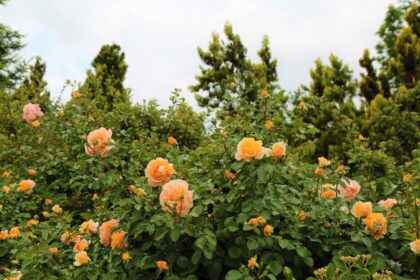
Regular watering is absolutely essential if you want lush rose bushes. The minimum is a deep drenching with water once a week and twice a week during very hot weather. The soil needs to be able to absorb the water and if the water runs off, it means the soil is too compact and needs to be loosened and compost added.
Mulch to keep the soil cool and moist
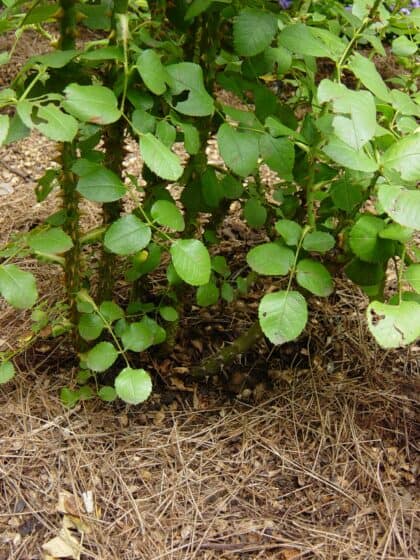
Regularly renewing the mulch is another good resolution. During some very hot days in December, it was noticeable that the rose bushes and the blooms in mulched beds looked that much fresher in the evening after a really hot day.
Mulch keeps the soil cool and reduces the evaporation of water. It further prevents caking and compacting of the soil surface and, to a great extent, reduces weeds. Suitable materials are pine needles, peanut shells, coarse pine bark chips, wood shavings, or lawn clippings mixed with leaves.
Monthly fertilising
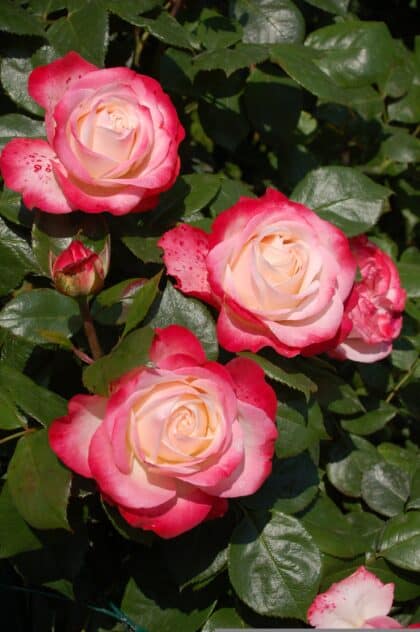
Dark green leaves are the sign of a healthy rose bush that isn’t shy to flower. The monthly dose of rose fertiliser per bush is very important to replace the nutrition that the rose draws up. A 25g application of Vigorosa once a month, from September to April, is all that’s necessary for a rose bush and twice that amount for a large shrub rose.
Make healthy leaves a priority
To ensure healthy leaves and attractive plants get into the habit of inspecting the roses for signs of disease or insects. There is no better start to the day than an early morning walk in the garden to check on the roses.
Here’s what to look out for:
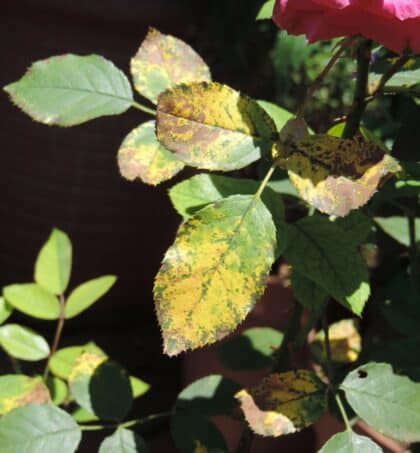
Small black spots on the leaves indicates a fungus disease. As the fungus spreads, the leaves turn yellow and fall off. It occurs during rainy periods when it takes time for the leaves to dry out. To prevent it, spray with Chronos, or if that is not available Rose Protector or Odeon when rain is predicted or make it a regular task once or twice a month.
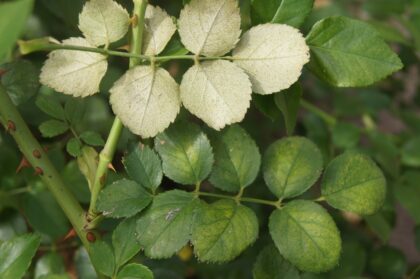
Mottled yellow leaves usually means an infestation of red spider. If you look on the underside of the leaves you will see tiny specks that are the rede siders and might even see tiny spider webs. Spray with a double dose of Ludwig’s Insect Spray making sure to drench the underside of the leaves where the mites live and multiply. Repeat the spray a week later to deal with any mites that might have hatched. This is an organic spray that contains natural ingredients like garlic and canola oil.
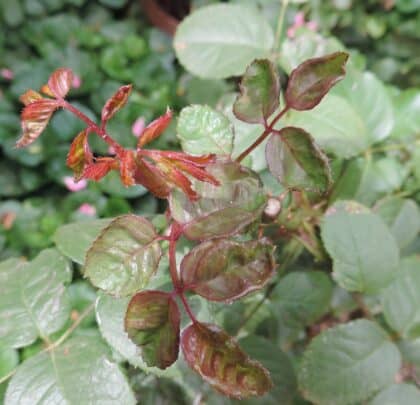
Aphids and thrips, a tiny invisible insect, can deform the leaves by sucking the sap out of them. Regular spraying with Ludwig’s Insect Spray will keep them away. Combining the fungicide and insect spray deals with both problems at the same time.
Grooming and dead heading
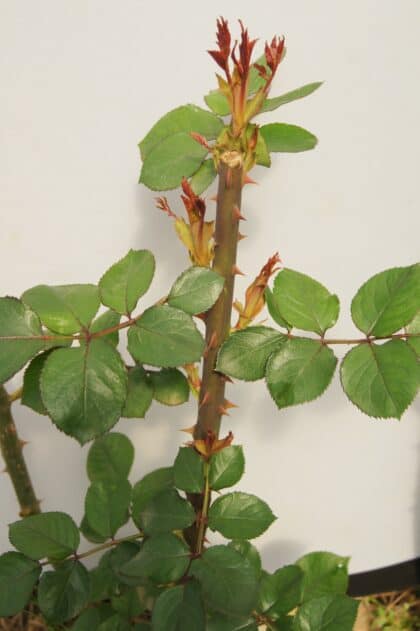
Cutting off the dead flowers (deadheading) encourages the roses to produce new flowering shoots and it keeps the roses looking neat.
If you do regular dead heading and cutting back of the very long stems, there is generally no need for summer pruning. This is only recommended for rose bushes that have grown too tall or too out of shape.
The gentlest way of keeping rose bushes in shape is by gradually undercutting at a rate of two or three stems a week. This involves cutting back to the stem from which the spent flower originated, always making sure that there are leaves below the cut.
To clean out very dense growth, especially in the centre of the rose, cut out criss-crossing stems and reduce forked stems to a single stem. Twiggy growth can also be cut out. For more information visit www.ludwigsroses.co.za
Article and images supplied by Alice Coetzee.
For more on gardening, visit Get It Magazine.