The 3 types of extra virgin olive oil and their uses
If you are like us and thought all extra virgin olive oils were the same – think again.
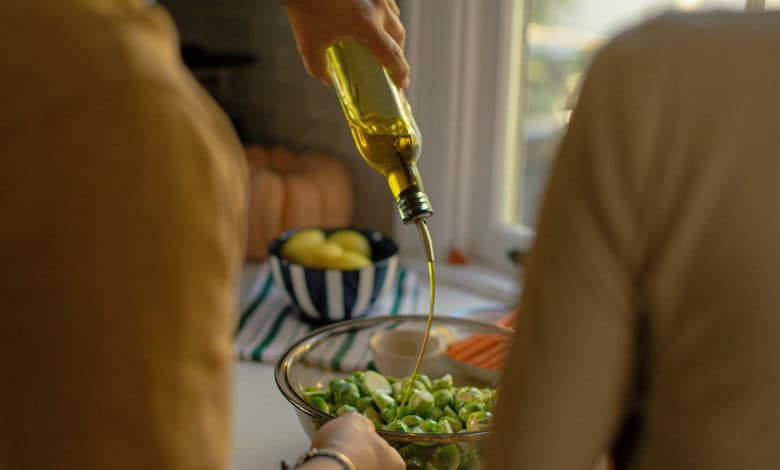
We’ve recently learnt from EVOOSA that there are, in fact, 3 different styles, which is usually indicated on the label. The style is dictated by the cultivar of the olive and the degree of ripeness when the oil is extracted.
Generally, the greener the olive, the more peppery or pungent the flavour, which enhances bold flavours in food. The more delicate the oil, the more it adds nuance and lifts textures in food. Use different styles of oil to achieve the optimum flavour combination in various recipes. Keep trying different oils and find your own favourites.

Delicate
- Characteristics: Subtle, fresh and fruity in taste and aroma.
- Uses: Best as a replacement for butter; drizzling on bread, salads and roast vegetables; in baking and for mayonnaise.
Medium
- Characteristics: A good balance of fruity, peppery aftertaste and bitterness.
- Uses: Best for salad dressings, pastry, pasta and sauces. Braising and casseroles of fish, chicken and meat.
Intense
- Characteristics: Very fruity and pungent with a strong bite of bitterness.
- Uses: Best for cheese sauces, swirling into soup, cooking lamb, beef and pork casseroles or roasts. Basting brinjals and roasting potatoes.
For more on food and health, visit Get It Magazine.
Breaking news at your fingertips… Follow Caxton Network News on Facebook and join our WhatsApp channel.
Nuus wat saakmaak. Volg Caxton Netwerk-nuus op Facebook en sluit aan by ons WhatsApp-kanaal.