After the winter solstice in mid-June, winter becomes a reality, when cold and frost damage needs to be kept to a minimum.
Flowering plants and tender vegetables are the most vulnerable to frost and cold damage. It’s a good idea to follow the weather apps and take preventive action if intense cold is predicted.
- Water plants earlier rather than later so that the leaves can dry off before the temperatures drop from 4 pm onwards.
- Don’t over water in winter but also don’t let them dry out completely because drought stressed plants are most vulnerable to frost
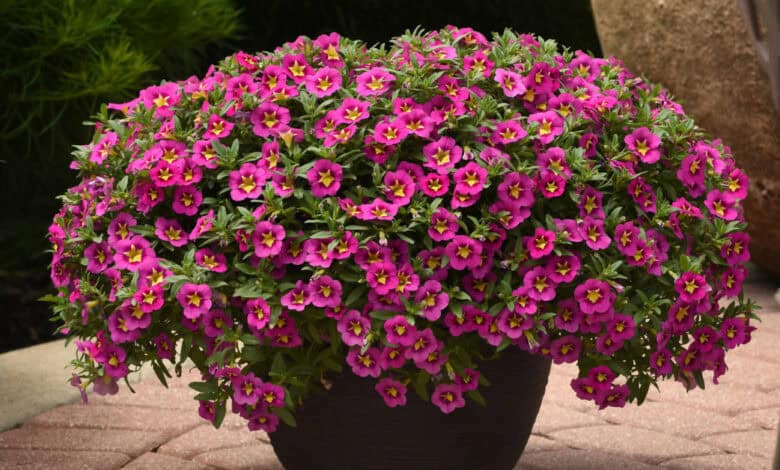
- Patio plants like calibrachoa, petunias and pelargoniums should be moved to a more sheltered, sunny place away from draughts.
- Protect tender garden flowers and veggies with frost cloth obtainable from hardware and garden centres. Throw over the cloth before nightfall and remove the next morning.
- Move outdoor plants in pots to a higher, sunnier and sheltered area or protect with frost cloth.
- When protecting a young shrub or tree one can make a frame, such as a teepee of sticks, which is placed around the plant so that the cloth does not touch the leaves. Make sure there are no openings from which heat can escape.
- If plants have already been burnt by frost, don’t cut back the dead leaves and stems. They help trap warm air within the plant and new growth will come out in spring.
- Although growth slows down in winter feeding plants with a liquid tonic containing kelp helps them be more tolerant of cold weather. Flowering plants in particular need feeding to continue producing flowers.
Winter warmers:
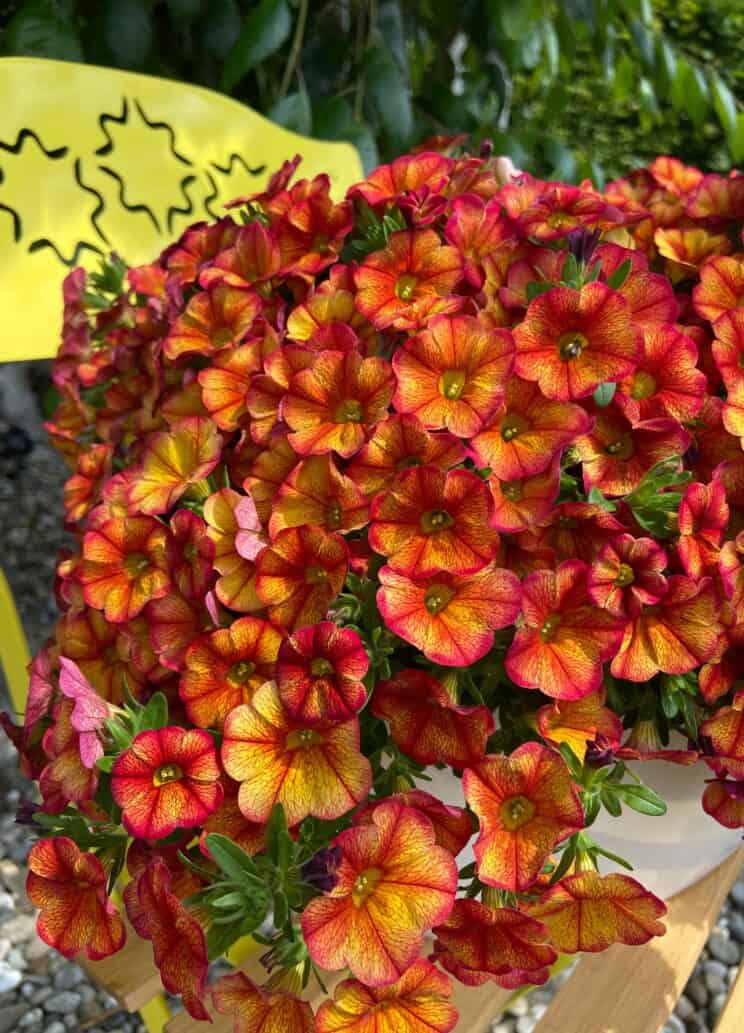
With the right kind of protection colourful flowers that are warm on the eye can brighten the patio throughout winter. Calibrachoa ’Bakari’ has fiery, flame coloured flowers that spill over hanging baskets and containers. This vigorous calibrachoa grows into a mounded and trailing plant, 25 to 40cm high and wide. Make sure it gets plenty of sun to bring out its full colours and keep it sheltered from draughts. Keep the soil lightly moist and feed monthly with a liquid fertiliser for flowers. For more info, click here.

Generate some culinary heat by growing radishes in a deep window box on a sunny windowsill or any sheltered, sunny place.
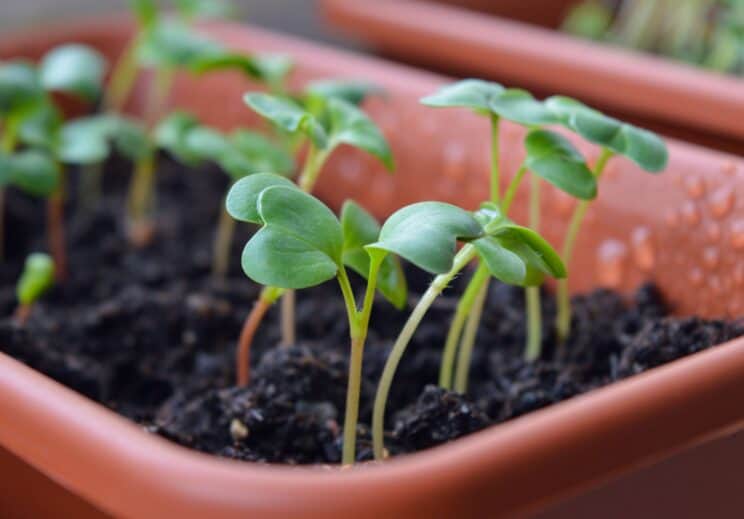
Radishes need warm soil for germination so positioning is important. A good option is a Gusta Garden planter with cultivation hood so that growth can be started in a sunny room indoors. The hood provides a warm, moist microclimate and when temperatures rise the planter can be taken outdoors.
Radishes grow so fast that it’s a great way to get kids excited about gardening and growing their own food. Seeds germinate in three to eight days and are ready for picking from three weeks. The nicest radishes are pulled before they are fully grown. Regular watering will produce crisp, tasty radishes but water in the morning so that the leaves are dry by the evening. For more info, click here.
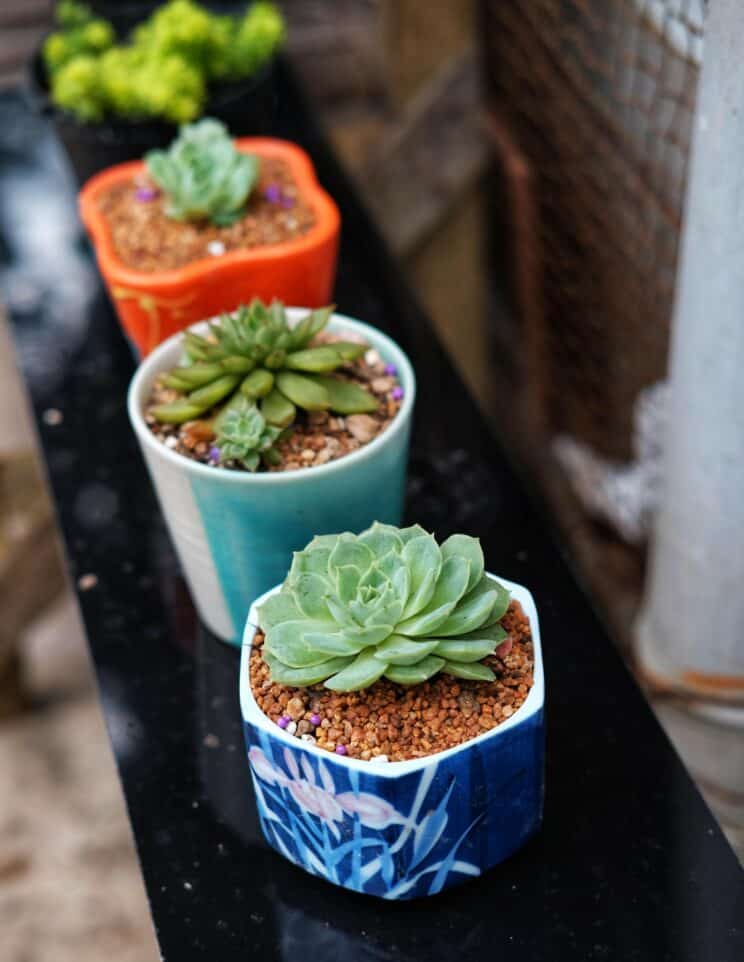
For cheerful indoor colour, that enhances a feeling of warmth, what about decorative succulents in brightly coloured pots. They love sunny windowsills and are so easy to care for. In fact, benign neglect is preferable. Water once in a while and just enjoy the different leaf shapes and textures. Pet safe succulents include echeveria, sedums, Haworthia and sempervivum (hen and chicks).
For more information visit LVG Plant.
For more on gardening, visit Get It Magazine.