Everything you need to know about autism
Autism spectrum disorder affects millions of families worldwide - yet myths, stigmas, and misunderstandings still surround it.
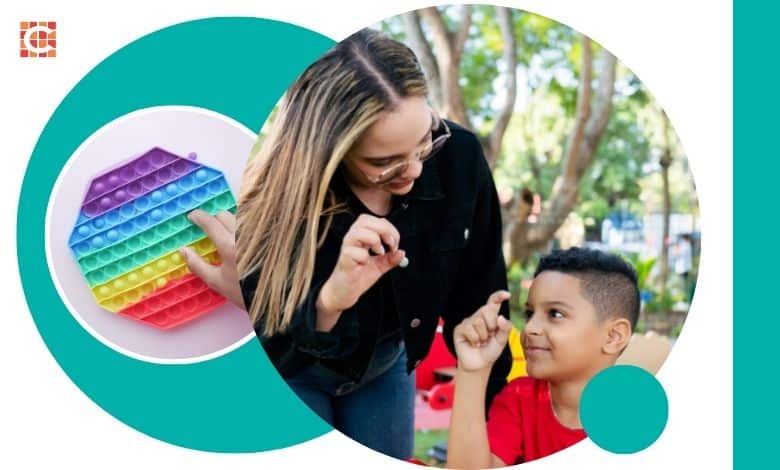
Globally, one in every 100 children is diagnosed with ASD. Boys are significantly more likely to be diagnosed than girls, a trend mirrored in South Africa and beyond.
Let’s unpack what autism really is, why early understanding is crucial, and how we can all contribute to creating a more inclusive world for those on the spectrum.
The myth: Autism can be cured.
The truth: It cannot. It is not a sickness. It is understood to be a mix of genetic and possibly environmental influences that affect early brain development.
So, what is autism?
Autism is a neurodevelopmental disorder characterised by:
- challenges in social communication and interaction
- restricted and repetitive behaviours
- high sensitivity to everyday sensory experiences – such as loud noises, bright lights, certain textures or strong smells – which can feel overwhelming or even painful.
- Communication problems, both in speaking and in understanding body language, facial expressions or tone of voice.
These are just some of the wide range of symptoms, which are seen in a wide range of severity, which in turn determines the level of support needed in daily tasks.
How is autism diagnosed?
Early screening opportunities do exist. Tools such as The Road to Health booklet given to every child at birth helps track developmental milestones up to age five. Although autism can be reliably diagnosed by age two, most children are only diagnosed around the age of five – and some not until adolescence or adulthood.
If children are not responding to social cues, fail to make eye contact or have delayed speech, they should be assessed as soon as possible. Screening tools such as the Autism Diagnostic Observation Schedule (ADOS) – used by specially trained professionals – can help assess how a child communicates, interacts and behaves in different situations. These tools give families clearer answers and help guide the next steps in support.
How is autism treated?
Effective treatment for autism depends on a highly individualised approach, as no two people have exactly the same needs. Ideally, you want to opt for a combined approach with behavioural, developmental, educational and psychosocial elements. Seeing speech and occupational therapists will also help with communication and daily living skills.
Find out more by contacting Dr Birgit Schlegel, a Paediatric Neurologist at Mediclinic Constantiaberg.