
Hydrating vs moisturising creams – know the difference
The right skincare product can make all the difference to your skin’s health. Learn to select products that give your skin what it needs.
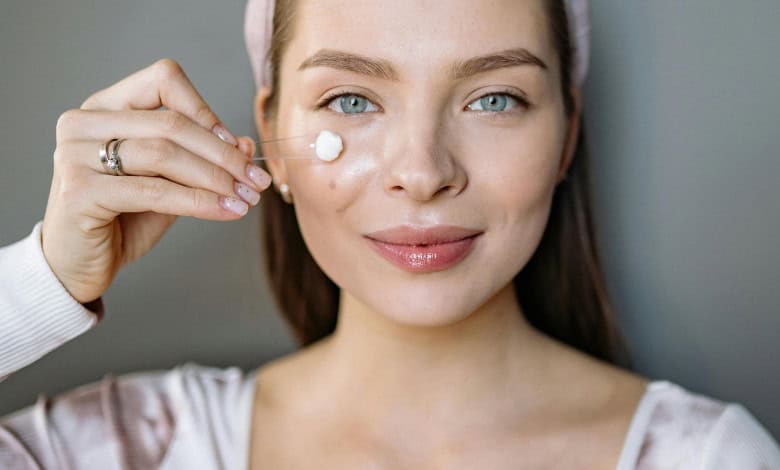
In the world of skincare, “hydrating” and “moisturising” are terms that are often used interchangeably but, they actually serve different functions.
Here’s a breakdown of what sets hydrating creams apart from moisturising creams—and why your skin might need one, the other, or both.
What is a hydrating cream?
Hydrating face creams are designed to increase the water content in your skin. Think of hydration as giving your skin a drink of water. These creams typically contain humectants, ingredients that draw water into the skin from the environment or from deeper layers of the skin.
Common hydrating ingredients:
-
Hyaluronic Acid
-
Glycerin
-
Aloe Vera
-
Panthenol (Vitamin B5)
Hydrating creams are especially beneficial if your skin feels tight, dull, or dehydrated, even if you have oily or acne-prone skin. Dehydrated skin lacks water, not oil, so even oily skin types can suffer from dehydration.
What is a moisturising cream?
Moisturising face creams help to seal in moisture and strengthen your skin’s barrier. These creams usually contain emollients and occlusives that create a protective layer on the skin’s surface, reducing water loss and keeping your skin soft and supple.
Common moisturising ingredients:
-
Shea Butter
-
Squalane
-
Ceramides
-
Petrolatum or Lanolin
-
Plant Oils (e.g., jojoba, rosehip, avocado)
Moisturisers are ideal for skin that is dry, flaky, or rough, especially in colder months or if your skin barrier is compromised. They help trap existing hydration and reinforce the skin’s natural lipid barrier.
Hydrating vs Moisturising: The key differences
| Feature | Hydrating Cream | Moisturising Cream |
|---|---|---|
| Function | Adds water to the skin | Locks in moisture and prevents water loss |
| Main ingredients | Humectants | Emollients + Occlusives |
| Ideal for | Dehydrated, tight-feeling skin (any type) | Dry, flaky, rough-textured skin |
| Skin type | All skin types, including oily | Dry, sensitive, or mature skin |
| Texture | Lightweight, gel-like | Creamy, rich, or oily |
Do you need both?
Often, yes. A well-balanced skincare routine layers hydration and moisturising for optimal skin health. You can start with a hydrating serum or cream, then follow up with a moisturiser to seal everything in.
For example:
-
Use a hyaluronic acid cream first (hydrating).
-
Follow with a ceramide-rich moisturiser (moisturising).
The key takeaway?
-
Hydrating creams bring water into the skin.
-
Moisturising creams lock it in.
Pay attention to your skin’s specific needs. If it feels tight but looks shiny, it may be dehydrated and need hydration. If it’s flaky and dull, you likely need moisture. And in many cases, your skin will thank you for both.
So next time you’re shopping for skincare, read those ingredient lists closely – and give your skin the balance of water and nourishment it craves.
Pro tip: In winter or in drier climates, consider using both a hydrating serum or cream and a richer moisturiser to avoid transepidermal water loss and keep your glow going strong.
First published by: Woman & Home
Words compiled by: Amy Steenkamp
The post Hydrating vs moisturising creams – knowing the difference appeared first on Bona Magazine.