
Avian flu now in Western Cape too
The super infectious H7 strain of bird flu, which has killed millions of birds around the world, is devastating South Africa’s poultry industry, costing farmers dearly and affecting the availability and price of chicken meat and eggs.
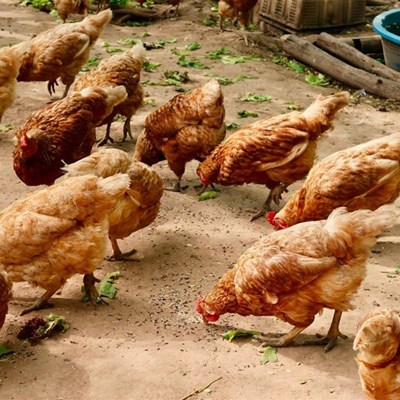
The first case of H7 high pathogenicity avian influenza (HPAI) in the Western Cape was diagnosed on a poultry farm in the George area on Thursday, according to a media statement by the Western Cape Minister of Agriculture, Dr Ivan Meyer.
Meyer said it was very unfortunate and a blow to the Western Cape poultry industry.
“This follows the introduction of chickens from an infected province in the north. The George farm has been quarantined and culling on the farm has already started,” said Meyer.
HPAI was recently detected in the Gauteng, Mpumalanga, Free State and Limpopo provinces. Meyer urged Western Cape poultry owners to heighten biosecurity measures as far as possible and be extremely cautious about bringing in any new chickens or allowing visitors or vehicles onto poultry farms.
“Moving chickens from infected provinces should be avoided at all costs as this has a severe impact on the entire Western Cape province if more cases of H7 HPAI are detected.”
H5 remains a threat
He warned that the H5N1 HPAI virus that caused seven outbreaks in the Western Cape from April to June 2023, is still a threat from wild birds.
“In the past three months, the Western Cape hasn’t experienced any further outbreaks in the commercial poultry industry. All the outbreaks reported in the period between April and June have been resolved. While under quarantine, the farms had been depopulated, cleaned and disinfected twice with the state veterinarian’s inspection.
“The quarantine was lifted, and the outbreaks were reported as resolved and disclosed to the Department of Agriculture, Land Reform and Rural Development and the World Organisation of Animal Health respectively.”
The NICD yesterday said that while sporadic cases of influenza A(H5N1) infection related to outbreaks in birds have been reported internationally in humans, this remains very rare. “Globally, only eight cases… in humans have been reported to the World Health Organisation in 2023, despite large outbreaks in poultry and wild birds across the globe.”
State veterinarian and director of animal health Dr Noluvuyo Magadla appealed to poultry owners to adhere to the following general recommendations to prevent transmission of the disease between farms:
- Discouraging interprovincial movement of birds and advising farmers to avoid these movements until avian influenza outbreaks are under control;
- Ensuring that you only bring healthy poultry onto your property;
- Keeping new birds completely separate for two weeks and only mixing them with your other birds if they remain healthy;
- Not allowing anyone onto your property who has had contact with poultry in the previous two days;
- Not visiting poultry owned by others;
- Cleaning the mud off vehicles and disinfecting them upon entering and exiting properties;
- Using footbaths to disinfect footwear when entering and leaving a poultry house; and
- Keeping poultry away from wild birds and their body fluids.
Earlier this week, the George Herald reported that properly cooked eggs are safe to eat.
Yesterday, on World Egg Day, the South African Poultry Association (SAPA) said that while shortages of eggs may be experienced, ‘SAPA is monitoring the situation closely and will continue engaging with the Department of Agriculture, Land Reform and Rural Development, and other relevant stakeholders for regular updates’. SAPA’s Dr Abongile Balarane said that liquid and powdered eggs will be used for industrial purposes so that table eggs remain available to consumers.
Read original story on www.georgeherald.com

