
Captive facilities are at high risk for spread of bird flu
Not only poultry farms, but also wild birdlife are in danger due to the current avian influenza virus which is posing a threat to birds in South Africa.
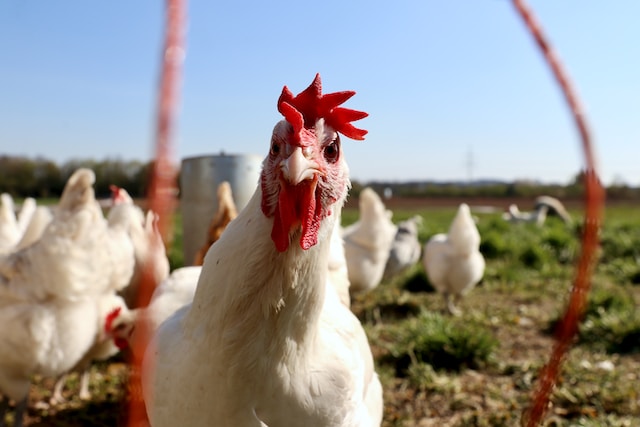
Wildlife rehabilitation centres, and captive facilities are at high risk for the avian influenza virus (bird flu) to be spread from an infected wild bird to others in captivity.
This is according to FreeMe Wildlife Rehabilitation Centre’s bird of prey specialist Tammy Caine, following the outbreak of avian Influenza.
While the focus on the recent outbreak of bird flu has largely been directed to the poultry farming industry and the subsequent shortages and resultant price hikes of poultry products such as eggs and chicken, the South African Veterinary Association (Sava) has confirmed that the bird flu outbreak can have devastating effects on the wild bird population.
“Captive facilities may refuse to allow members of the public to drop wild birds off with them, and may close themselves off to all visitors until the outbreak has passed. Wildlife rehabilitation centres may increase their quarantine and bio-security measures.
“Wild birds presenting with symptoms of avian influenza on admission to wildlife rehabilitation facilities should be euthanased with immediate effect, and their bodies incinerated to prevent the virus being passed to other patients in care.”
Moreover, she said, staff working at these facilities dealing with potential avian influenza cases should handle the birds with gloves and a mask, and adhere to strict quarantine and hygiene protocols to prevent the accidental spread of the virus to other patients.
“The symptoms in wild birds include weakness, apathy, respiratory distress, diarrhoea, loss of appetite, discharge from the nostrils, eyes, and beaks, sneezing, coughing, and sometimes swelling of the head and legs. When large numbers of wild birds are found dead with no obvious injuries, there is the risk of a disease outbreak.”
The spread of bird flu among the population of wild birds extends to the greater food chain, with the virus easily being passed on to avian predators, such as birds of prey, and humans who may come into contact with infected birds.
“The virus has been known to occasionally infect mammal predators too. Healthy wild birds can come into contact with others carrying the virus, but not become infected if their immune systems are strong,” Caine explained.
She added that the virus spreads easily when birds share the same food and water sources, and come into close contact with infected birds.
“This is what is of concern to domestic poultry breeders as domestic birds are often kept in close confinement and share water and food dishes, and the unnatural, stressful conditions they are kept in often affect their immune systems, making them more susceptible to contracting diseases.”
Chairperson of Sava’s poultry group, Dr Wilhelm Maré, said the high pathologic avian influenza is spread by the faeces of infected birds, but also by the excretions of the eyes, nose and mouth.
Read original story on www.citizen.co.za

