
Concerns after rabbit disease reaches the KZN Midlands
A doctor has confirmed a case of Rabbit haemorrahgic disease (RHDV) in the Midlands.
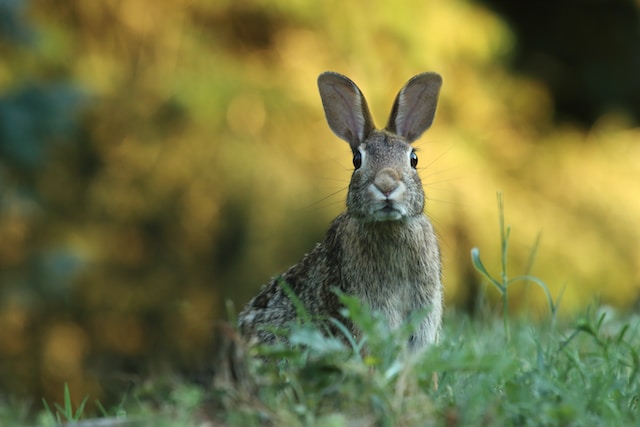
Rabbit haemorrhagic disease has reached the Midlands of KZN, confirmed a veterinarian from the province.
Doctor Thashia Reddy from Valley Vet in Rosetta in the Midlands confirmed a case of rabbit haemorrahgic disease (RHDV) in the Midlands and is urging veterinarians and rabbit owners to familiarise themselves with the symptoms.
Meanwhile, The Department of Agriculture, Land Reform and Rural Development spokesperson Reggie Ngcobo was quoted in the media saying that vaccines have now been successfully imported and rabbit owners have the option to prevent or control the disease by requesting vaccination through their private veterinarians.
Reddy said on Friday, “If anyone finds any dead wild hares on their property, with no obvious cause of death, please can you inform your veterinarian and possibly keep the carcass in the freezer for histopathology to be done at Allerton Laboratory in Pietermaritzburg.”
She said the disease was introduced into the country late last year.
“Unfortunately as it is a new disease, none of our indigenous hares or rabbits have any immunity to it,” said Reddy.
She said the first positive case in a wild rabbit was identified on Patrick Guilbride Road, in the Midlands but it has spread very quickly throughout KZN.
“The incubation period of the disease ranges between one to three days and rabbits usually succumb within 12 to 36 hours after the onset of fever (> 40°C).”
She said in the severe stage of the disease, infected animals show no clinical signs and die suddenly.
“The possible routes for transmission of the disease are the oral, nasal, conjunctival and parenteral, as blood-feeding insects have also been shown to be efficient mechanical vectors.”
She said RHDV can spread by direct contact with an infected animal, as infected rabbits may excrete viral particles in their secretions, or it can spread indirectly through contaminated food, bedding, water, clothing, cages and equipment.
“It can also spread through vector-borne transmission, which is carried out by scavenging mammals, birds, and insects,” said Reddy.
She said it has been discovered that live virus particles can remain in the carcasses of RHDV-infected rabbits for up to three months after they have been exposed to the environment.
Cailin Cunningham, a veterinarian from Village Vet in Kloof said the disease only affects rabbits and there is a possible risk to wildlife.
“Prevention and control of the disease through biosecurity and immunoprophylactic measures such as vaccination are, therefore, of utmost importance,” said Reddy.
Read original story on www.citizen.co.za

