
Eskom outages: Energy expert questions the logic of going off the grid
With even more outages predicted this winter than South Africa endured in 2021, a businessman who has gone off the grid and an energy expert air their opposing views.
The recent warning of a dark winter by energy expert Chris Yelland left South African businessman Graham Robjant unperturbed.
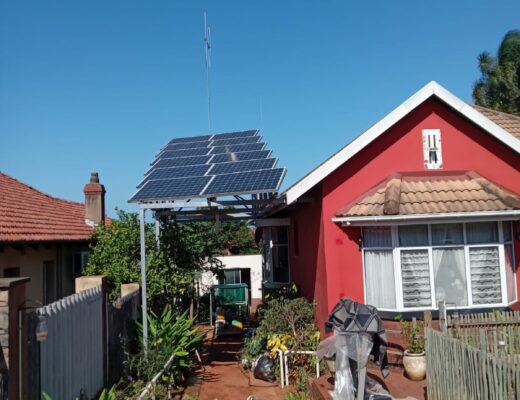
This is because the electronics technician has for years been living off the grid.
“I relied on power to do my work but with load-shedding, the frustration became too much, and I decided to make my own plans,” says Robjant.
He spent the R80 000 he inherited from a family member and installed solar power.
Robjant says he learnt five important tips along the way:
- Buy a cycle battery that is designed to charge and discharge, not a car battery.
- Choose the correct uninterruptible power supply for your load.
- Choose the correct solar regulator.
- Switch off appliances that are not in use as they can consume much power.
- Buy a battery balancing unit.
Going off the grid has given him peace of mind, says Robjant.
However, Yelland warns that not everyone will be able to go off the grid.
WATCH: Energy expert Chris Yelland chats to Izak du Plessis about the disadvantages of going off the electricity grid.
“The process is expensive, and it is not going to provide a good return on investment,” he says.
“There are people who do it; some for ideological reasons and others for emotional reasons, but it does not make a lot of economic sense.”
According to Yelland, it is better for households to stay on the grid and use a solar system to supplement their energy needs.
“When you are running a business, however, load-shedding can cause a loss of productivity. In this instance, going off the grid can help you prevent such losses by being able to operate during load-shedding.”
Solar power myths:
- Solar power does not mean total freedom from load-shedding. You also need to invest in a generator or a solar hybrid system to store power.
- You will not save a fortune on power bills; the advantage is more on the side of convenience.
- You will not make money selling extra power. Most municipalities are only willing to pay back a small fraction of the price they charge for electricity.
Read original story on albertonrecord.co.za

