
Everything you need to know about Cosatu’s national strike
The Congress of South African Trade Unions (Cosatu) embarked on a countrywide strike today, 7 October as part of an ongoing dispute with the government.
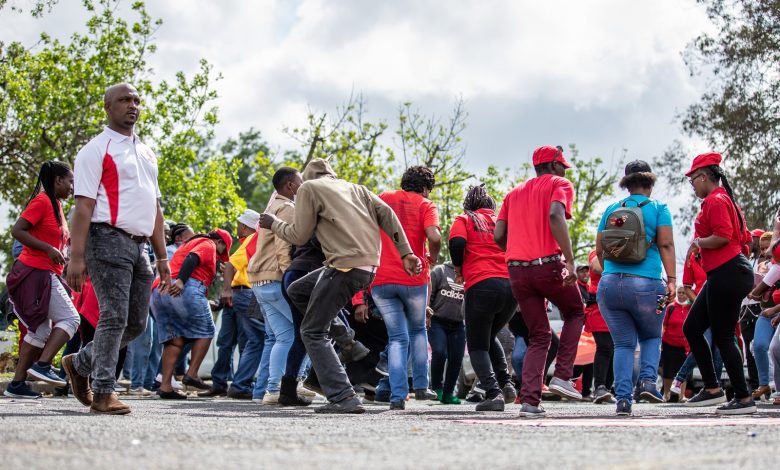
Cosatu states in its memorandum that it is a collective of organisations representing thousands of workers and ordinary people in South Africa and is joined by millions of workers.
“We stand firmly to express our anger and disappointment at the lack of care, support and protections of fellow frontline workers who put their lives at risk to save the lives of others from the scourge of Covid-19.
“Sadly, we have lost several of them to this pandemic, because we put profits and interests of the rich ahead of those workers and the poor,” the memorandum reads.
Cosatu also stated that the health care system is crippled by both the structural inefficiencies of a government who will not invest in the needs of society, but who is always eager to satisfy the profit craziness of the markets and the rich.
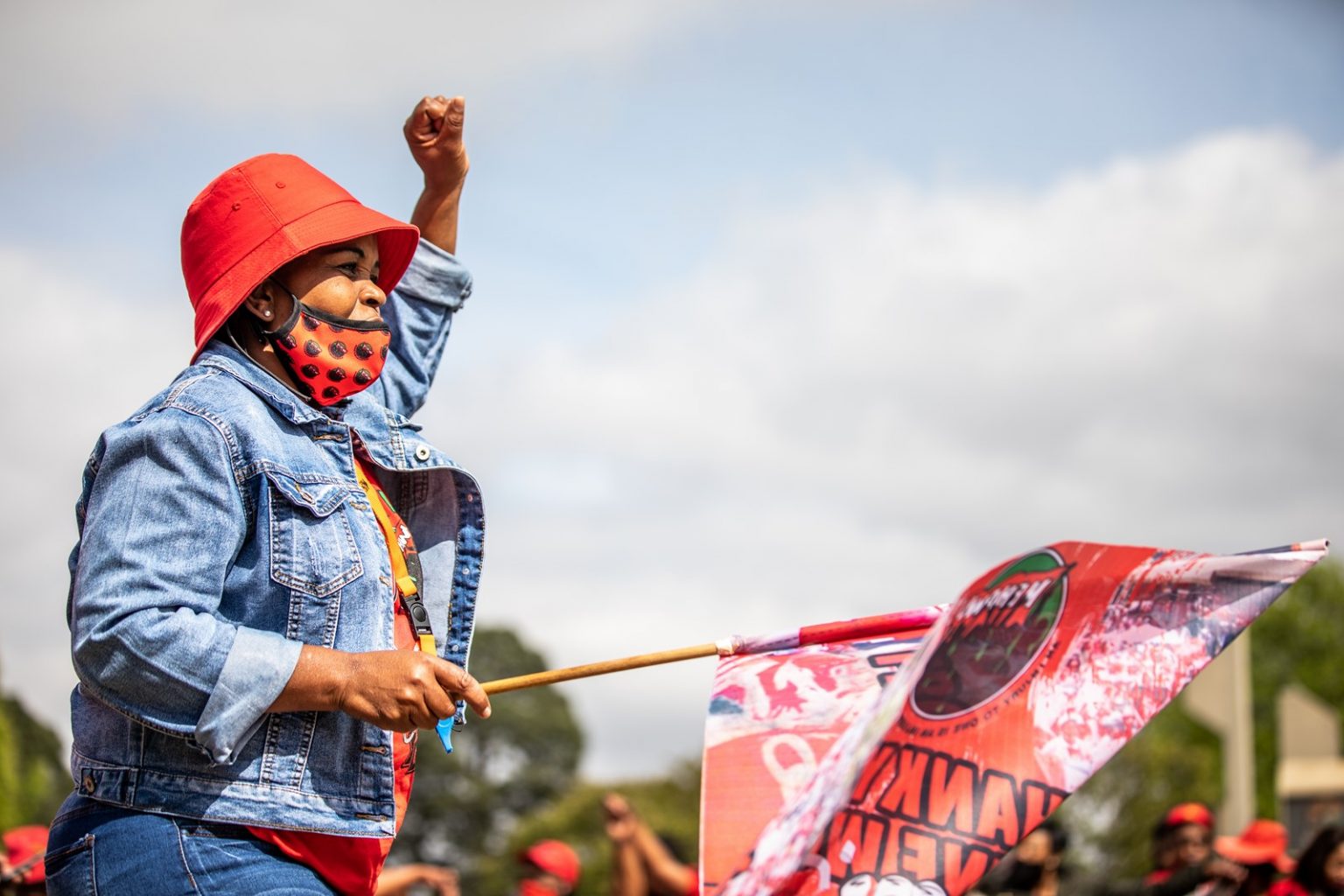
Cosatu subsequently tabled several notices, among other:
- Health and safety as a priority – All employers should comply and enforce legislated standards and conditions
- Safe, reliable and properly sanitised public transport systems – This should coincide with all the requirements of the Covid-19 regulations and safety protocols in general
Occupational Health and Safety
“When workers sell their labour, they do not sell their lives. “Employers are more interested in protecting their products and services than the health and safety of their employees.
Public Transport
According to Cosatu 70% of commuters make use of the taxi industry daily. Cosatu said it is therefore unfortunate that taxi drivers, guards and queue marshals have been left out of the scope for relief to the sector.
“Because the informal sector employees taxi drivers, guards and queue marshals without contracts, they do not benefit from the unemployment insurance benefits that were set up to cushion workers from the financial hardships of the lockdown.
“They are also not able to benefit from the compensation fund when injured on duty.”
Cosatu pointed out that the taxi industry is not subsidised by the government which further complicates compliance with Covid-19 regulations.
“There is a need to register all taxi industry workers for Compensation for Occupational Injuries (COID) and Diseases as well as with the Unemployment Insurance Fund (UIF).”
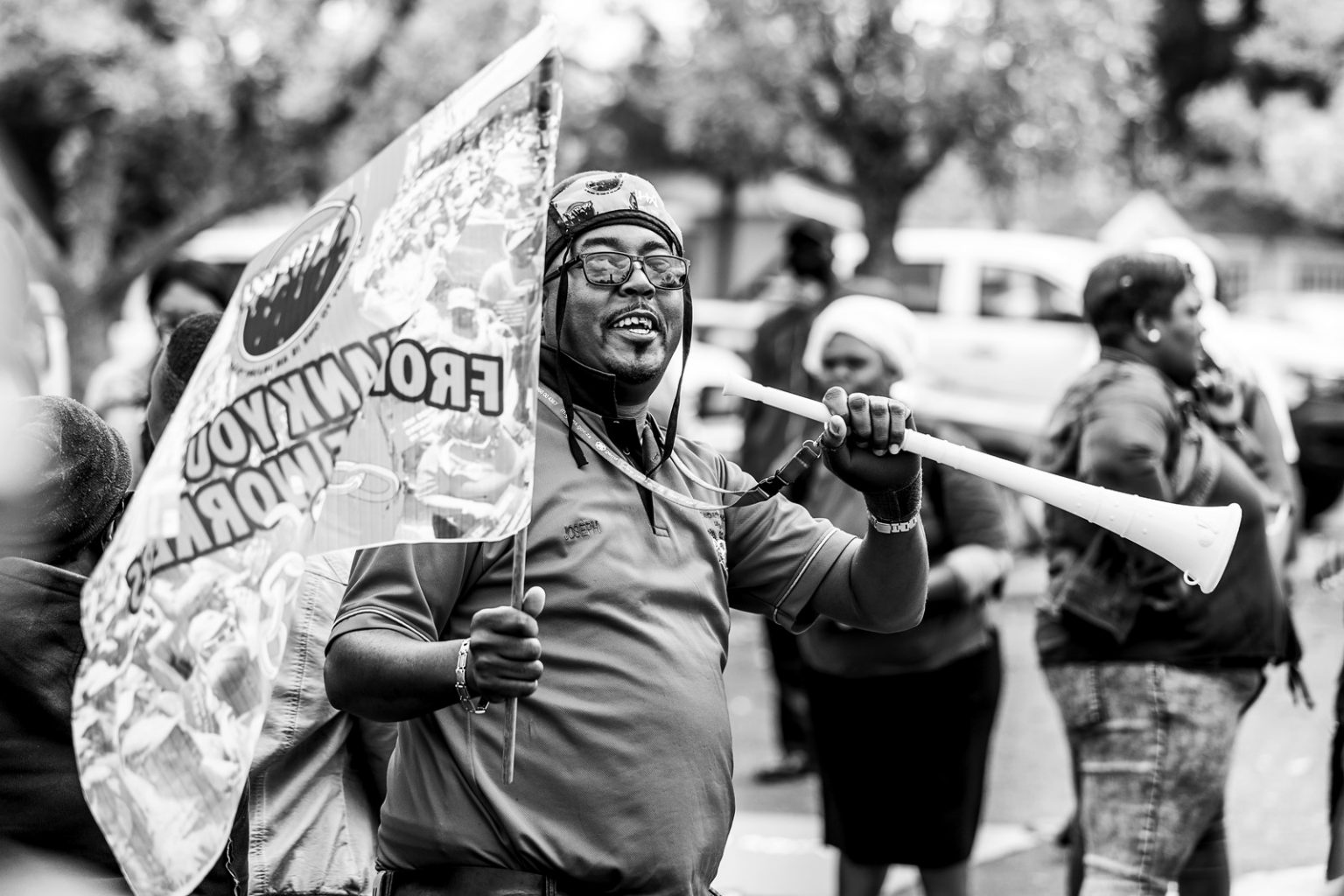
Retrenchments, gender-based violence and attacks on collective bargaining
Cosatu prioritised four major campaign areas:
- Fighting corruption
- Fighting retrenchments and unemployment
- Fighting gender-based violence and the gender pay gap
- Fighting the attacks on collective bargaining agreements and workers’ rights in general
Workers demand action and decisive interventions
Workers demand the following from government:
- 100% compliance with the Occupational Health and Safety (OHS) directions and OHS regulations by employers
- The provision of sufficient Personal Protective Equipment (PPE) for all frontline workers
- Properly regulated, safe affordable and reliable public transport, to ensure transformation, creation of jobs, protections of commuters and workers as well as improved efficiency. Which includes:
- The registration of taxi drivers and queue marshals for COID and UIF
- Proper subsidisation of public transport, particularly taxis and trains
- Swift and effective prosecution of high-profile public and private sector cases of corruption by law enforcement agencies paired with an anti-corruption strategy
GALLERY: Cosatu affiliated members down tools countrywide

Now, the Minister of @deptoflabour @NxesiThulas and @Dotransport Minister @MbalulaFikile receives the memorandum from workers on World Day of #DecentWork in South Africa at Pretoria @pretorianews @ParliamentofRSA @Newzroom405 @NatashaN_Phiri @HajraOmarjee pic.twitter.com/t3YFulkpre
— @COSATU Today (@_cosatu) October 7, 2020
Read original story on ridgetimes.co.za

