
Fears rise as government moves to ban baby saver boxes
Activists warn that banning baby saver boxes could lead to more infant deaths and unsafe abandonments.
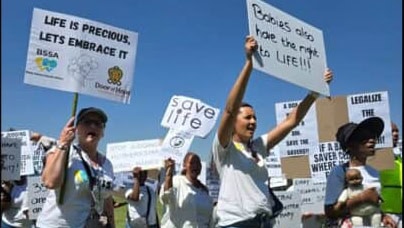
Baby Savers South Africa has sounded the alarm that the Department of Social Development’s proposed ban on baby saver boxes would endanger thousands of newborns each year.
The department is facing fierce backlash over proposed changes to the Children’s Act that activists say will condemn newborns to death, writes The Witness.
Rights groups warn of deadly consequences
Rights groups warn that banning baby saver boxes, the last lifeline for desperate mothers, will force infants back into the shadows, where many are dumped and left to die.
Baby saver boxes, secure, ventilated cradles built into hospitals, churches, and care centres, allow mothers to safely and anonymously relinquish infants.
When a baby is placed inside, an alarm alerts trained staff who retrieve the child, ensuring immediate medical and legal care.
Legal challenge reaches the High Court
In a pending High Court case, Baby Savers SA and Door of Hope Children’s Mission have challenged the department’s attempt to outlaw the devices.
The court has issued an interim order allowing their continued operation pending a constitutional review.
The organisation handed a memorandum to the Presidency on Friday asking the president to intervene and halt any steps that would criminalise safe relinquishment until an independent, evidence-based review is completed.
In the memorandum, Professor Whitney Rosenberg, spokesperson for Baby Savers SA, said the group’s work upholds children’s constitutional right to life under Section 11 through certified baby savers installed nationwide.
“Criminalising or banning safe surrender mechanisms will predictably increase unsafe infant abandonment, neonatal deaths, and the criminalisation of desperate mothers,” said Rosenberg.
Rising infant abandonment crisis
According to the organisation, about 3 500 infants are abandoned every year in South Africa, and two out of every three abandoned babies are found dead.
Studies during the Covid-19 period documented dozens of unsafe abandonments with low survival rates; figures believed to represent only a fraction of the real toll.
Rosenberg made reference to Weekend Witness’ recent stories of newborn babies found in different illegal dump sites in KZN — particularly recent incidents in Swapo and Imbali townships.
This is not a theoretical issue; it’s a humanitarian emergency.
“Banning monitored, anonymous surrender options will drive mothers to conceal births or abandon infants in unsafe places, exactly what baby savers prevent,” she said.
Rosenberg said her organisation was calling for temporary non-prosecution guidance to protect parents and registered operators of baby-saver devices while the policy is under review.
“The department’s actions undermine democratic process by pre-empting the courts and criminalising 40 member organisations, including child and youth care centres and foster parents,” she said.
LifeLine Pietermaritzburg has accused the department of ignoring a growing humanitarian crisis, saying the proposed ban will endanger the lives of thousands of newborns across South Africa.
Executive director Sinikiwe Biyela described infant abandonment as a ‘silent national tragedy’ unfolding daily in alleyways, pit latrines, rubbish bins, and open fields.
Thousands of babies are abandoned every year. When infants are found dead, it is not just a tragedy, it is a failure of our legal, social, and ethical systems.
Biyela warned that the Children’s Act amendments proposed by the department would make it a criminal offence for mothers to use or organisations to operate baby saver boxes.
She shared stories of rape survivors, teenagers, and undocumented migrant women who used baby saver boxes to protect their babies from harm.
“These are not acts of neglect. They are acts of love and survival,” Biyela said.
Experts call for harm-reduction approach
Legal experts have joined the outcry, Dr Suhayfa Bhamjee, senior law lecturer at UKZN and LifeLine PMB board chair, said the department’s stance ignores key constitutional rights:
- life (Section 11),
- dignity (Section 10),
- the best interests of the child (Section 28),
- and access to healthcare (Section 27).
“South Africa must adopt a rights-based, harm-reduction approach,” she said, calling for legal recognition, integration with health services, and public education.
Dr Alastair Marais, LifeLine’s treasurer and mental health advocate, said poverty, gender-based violence, and lack of support drive many women to desperate decisions.
“When mothers are treated as criminals rather than individuals in crisis, trauma deepens and engagement with support systems declines,” he said.
Presidency urged to intervene
In response to the memorandum, the Presidency, in a letter seen by Weekend Witness, referred Rosenberg to the Department of Social Development.
ALSO READ | Baby Safe: Fighting for the helpless
When contacted for comment, the department’s acting communications chief director Sandy Godlwana said: “Please note that for now, the department requested that we do not communicate or issue any content related to the amendment to the Children’s Act and Bill.
This is because the department has just received input from members of the public, and these are currently being considered.
“We will further provide guidance once the department has concluded its review process”.
Read original story on witness.co.za

