
Free-range egg labels can mislead consumers, warns Four Paws
Consumers are urged to look beyond 'free range' labels as higher egg prices do not necessarily mean better animal welfare standards.
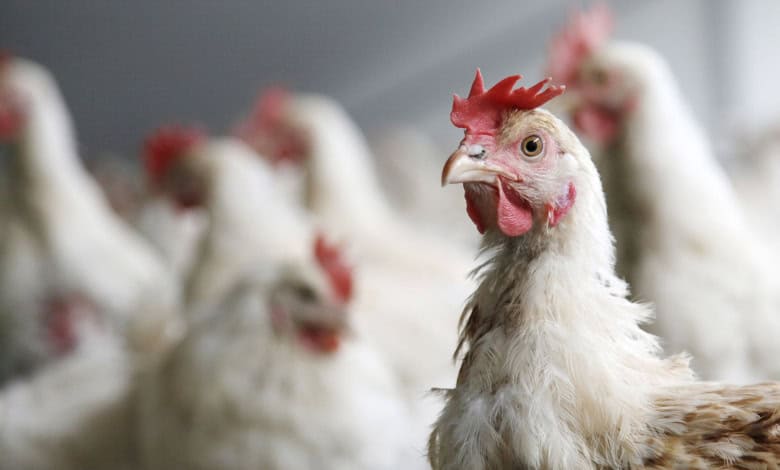
Four Paws South Africa is warning consumers that egg labelling, particularly ‘free range’, can be misleading, as higher prices do not necessarily reflect better animal welfare.
Bloemfontein Courant reports that ahead of World Poultry Day tomorrow (May 10), the organisation is urging greater awareness and stronger standards across the poultry sector.
‘Free range’ not always humane
According to Four Paws South Africa director Fiona Miles, many South Africans believe that paying more for free-range eggs means the farming system is more compassionate. However, she cautions that the reality on farms, including free-range systems, is often more complicated than it appears.
“Consumers are trying to do the right thing,” Miles adds. “When people choose free range eggs, they’re making an ethical decision. But price alone is not a guarantee of good animal welfare, and the poor and lacking welfare standards for caged, barn, and free-range systems leave far too much room for suffering behind the scenes.”
Concerns over standards and conditions
The organisation states that South African laws allow free-range chickens to be kept at stocking densities of up to 10 adult hens per square metre, limiting their ability to express natural behaviours such as foraging and dust bathing, which are essential for good welfare.
Outbreaks of highly pathogenic avian influenza have also exposed weaknesses in intensive poultry systems, as producers may confine free-range chickens indoors for up to six months of the year while still labelling the eggs as ‘free range’.
Call for stronger regulations
Four Paws is calling for stronger, science-based welfare standards, reduced stocking densities, and environments that allow natural behaviours, along with improved transparency across the egg production sector regardless of labelling.
The organisation also encourages consumers to make more informed choices through the #EatKinder initiative and to consider reducing their consumption of animal products as part of a shift towards more humane and sustainable practices.
“You can’t buy your way out of factory farming with a label,” says Miles. “Real progress requires policy change, industry accountability, and a food system that values the lives of animals,” concludes Miles.
Breaking news at your fingertips… Follow Caxton Network News on Facebook and join our WhatsApp channel.
Nuus wat saakmaak. Volg Caxton Netwerk-nuus op Facebook en sluit aan by ons WhatsApp-kanaal.
Read original story on www.bloemfonteincourant.co.za

