
Gauteng health department blames condom shortage on Covid, supply issues
The Gauteng Health MEC said the number of condoms distributed in the province has been consistently decreasing since 2021.
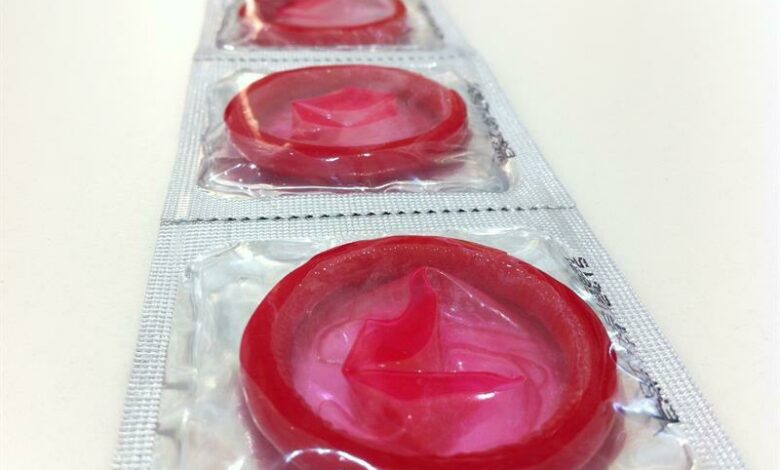
The national health department has blamed delays in the supply and delivery of condoms in Gauteng on Covid-19 and subsequent lockdowns.
This was after local officials raised concerns over a shortage of condoms in Pretoria and the province.
According to the Department of Health, Gauteng was supposed to receive 143 072 female and 4.2 million male condoms monthly from suppliers.
The shortages of condoms have led to an increase in sexually transmitted diseases (STI) and male Urethritis Syndrome, which increased from 5 486 in 2022 to 6 035 this year, the department stated.
Health MEC Nomantu Ralehoko said contract RT75 condom suppliers did not have stock to deliver to the Gauteng Department of Health as suppliers were awaiting South African Bureau Standards (SABS) sample approval before ordering bulk stock from the manufacturers.
“It is disgraceful that a common item like condoms is in short supply in Pretoria. Condoms have a vital role to play in family planning as well as prevention of HIV/Aids and other STIs,” she added.
In addition, the MEC said they need to get the basics right in healthcare in Gauteng.
This included proper contract management so that reliable and cost-effective suppliers are always chosen, rather than companies that do not deliver.
The department said it can only issue quality-approved SABS products for safety reasons.
However, health department spokesperson Foster Mohale said despite low stock levels in Pretoria, currently there are no serious shortages of condoms.
Samples of condoms go through a strict quality testing process by the SABS to make sure they are good enough before they are distributed in the country.
“It is critical to note that South Africa does not manufacture condoms, but condoms are all imported from other countries,” Mohale added.
“The department has been regularly talking to the provincial health departments to find out how many condoms and other types of birth control they have, so they can act quickly if they need to help with any shortages,” Mohale concluded.
Read original story on rekord.co.za

