
Gauteng: Probe into source of ‘sulphur stench’ widened
At this stage, the DEFF and Gert Sibande District Municipality in Mpumalanga could not definitively say what the major source of the air pollution was.
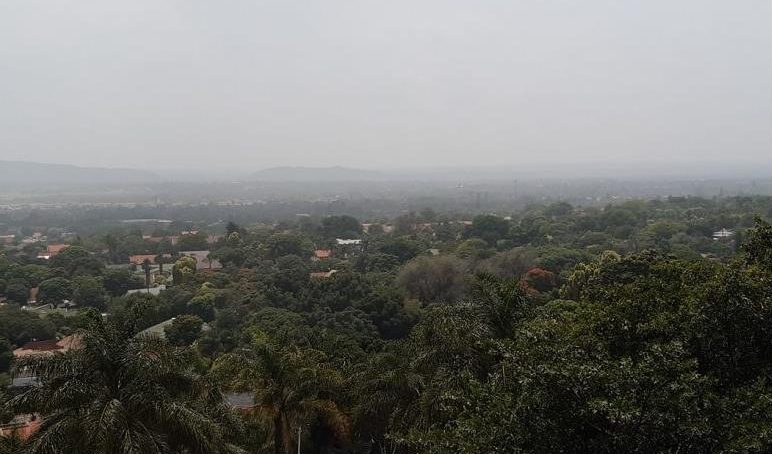
The Department of Environment, Forestry and Fisheries (DEFF) has recommended that other sources that could have contributed to the odour experienced in Gauteng be investigated.
At this stage, the DEFF and Gert Sibande District Municipality in Mpumalanga could not definitively say what the major source of the air pollution was.
Both entities visited the Sasol Secunda Plant last Thursday, to check on operations, which were believed to be the possible source of the sulphur stench experienced in parts of Gauteng and Mpumalanga provinces.
Pretoria residents complained over a “strange dark cloud smelling of sulphur” on social media platforms last month.
“The stench was most likely a combination of elevated levels of sulphur dioxide and hydrogen sulphide,” said departmental spokesperson Albi Modise.
Modise said during the inspection it was found that the release of sulphur dioxide and hydrogen sulphide from the Sasol plant was within the approved limits of the atmospheric emission licence (AEL) issued to them by the Gert Sibanda municipality in 2019.
“The department and the municipality suspect that the stench experienced over parts of Gauteng earlier this month may have been the result of the cumulative impact from a number of sources in the surrounding areas,” he said.
Modise said while initial investigations had shown that the sulphur dioxide levels were in compliance with ambient air quality standards across all stations in the week of 11 to 17 February 2021, the levels of hydrogen sulphide were found to have been elevated at times during the week in question.
“Extreme peaks were noted at Lebohang monitoring station at 234 parts per billion (ppb) on the 12th of February around 11:00, and Springs monitoring station at 220 ppb on 16 February at 11:00.
“In Pretoria, hydrogen sulphide measurements at the South African Weather Service’s station in Irene, Centurion, showed that hydrogen sulphide exceeded the WHO recommendation on the 12th, 15th until 17th February 2021, with the highest peak of 61 ppb on 16 February at 01:00.”
Modise said the measurements showed that there were two typical periods during the day when the levels of hydrogen sulphide were most severe.
He said this was mostly around 01:00 and 11:00.
“Such peaks are typical of transported air with pollution from high-level sources such as tall stacks.”
He said the WHO had recommended that hydrogen sulphide concentrations were not to exceed 5.02 ppb within a 30-minute averaging period in order to avoid substantial complaints about odour annoyance among the exposed population.
Modise said there was also a low-pressure system in the north of the Mozambique channel that gave rise to a rather uncommon circulation pattern over the region.
“These conditions created prevailing south-easterly winds that allowed for transportation of air pollution from the Mpumalanga industrial region into Gauteng, particularly over the cities of Ekurhuleni, Johannesburg and Pretoria.
“It has, therefore, been recommended that other sources that could have contributed to the odour experienced in the Gauteng also be investigated, such as power plants and waste water works that also emit hydrogen sulphide.”
Modise said the findings of the probe would be made available once completed.
Read original story on rekord.co.za

