
Gauteng schools warned on ‘unnecessary’ ill-practices
Gauteng Department of Education (GDE) MEC Panyaza Lesufi said he was aware that some schools wanted to place applicants using the old admission regulations that referred to date and time.
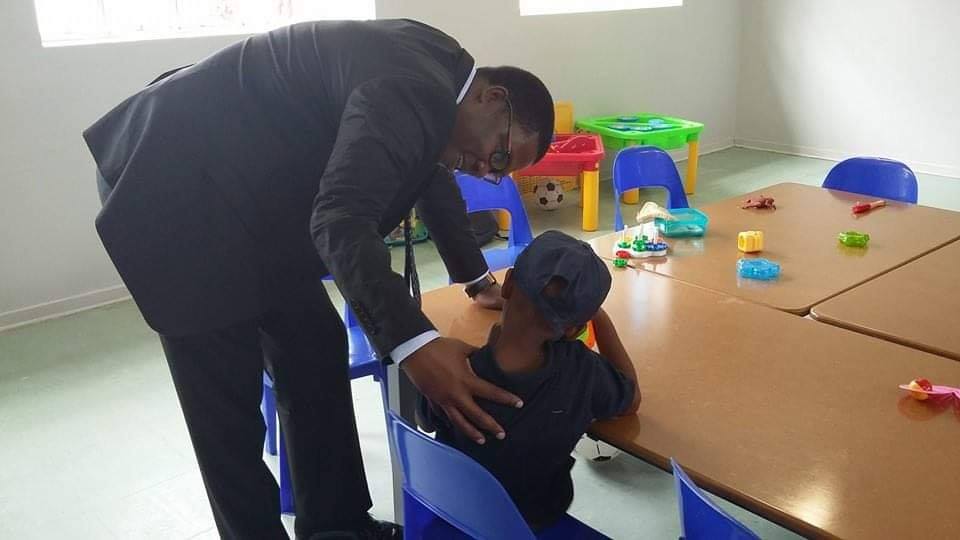
Gauteng Schools have been cautioned not to participate in irresponsible and unnecessary ill-practices of inciting parents to use non-progressive lobby groups to “put pressure” on the department to accept their children, Rekord North reports.
Gauteng Department of Education (GDE) MEC Panyaza Lesufi said he was aware that some schools wanted to place applicants using the old admission regulations that referred to date and time.
“We are aware that there are some schools that are sending messages to parents, inciting them to use these non-progressive lobby groups to ‘put pressure’ on the department to accept children, irrespective of adherence to admissions regulations,” said Lesufi
“We earnestly caution and call upon all schools not to participate in such irresponsible and unnecessary ill-practices,” he said.
“They must be reminded that there is nothing like an exclusive public ordinary school, in fact, all public ordinary schools belong to all people.”
He said it was important to correct the distorted assertions made by some “non-progressive lobby groups” that the GDE had never expressed any intention to take Afrikaans-speaking learners to township schools.
“The expressed intention is to introduce English and Afrikaans as the language of learning and teaching in the under-subscribed township schools. Such schools will be assisted to acquire the necessary educators that have qualifications and proficiency to teach in the desired language.
“We would like to reiterate that time is too precious to waste on negative organisations who do not have a desire for transformation, social cohesion and non-racialism. Such people aim to further oppress the downtrodden and to reduce the positive gains that were achieved since the dawn of our democracy,” said Lesufi.
The caution came as the GDE had to create more classrooms at some schools to accommodate more unplaced learners.
The number of unplaced learners has been reduced from 34 000 to 7 998.
“Working closely and collaboratively with our schools, especially those in high-pressure areas, we managed to increase capacity to accommodate more unplaced learners. Consequently, most of the high-pressure schools are full,” the department said.
MEC Panyaza Lesufi said the department had identified schools where additional classroom capacity was required to allow for additional placements.
“Procurement processes are underway to assist with provisioning of mobile classrooms to the identified schools.”
Lesufi said issues arose when parents did not accept offers of placement and thereby forfeited them.
“New offers were issued to the next in line on the placement list,” he said.
To facilitate further placement, schools with a high number of applicants were persuaded and agreed to increase capacity to accommodate more learners.
“The negotiations with school principals to increase capacity was based on spaces available in the existing classrooms to fill them, converting unused spaces (rooms) to classrooms and using available school grounds to erect mobile classrooms.”
Lesufi said his department focused on schools which did not reach capacity during the placement period.
He said the process regarding unplaced learners from full schools was matched with schools with available space in feeder zones that covered the address of the applicant.
“It became evident that 160 057 (60%) applied only to one school, and this is further hindering the placement process because we need to link the learner within the feeder zones.
“Of this number, 18 223 had applied to schools outside their feeder zone,” Lesufi said.
The GDE would continue to engage single-medium schools with low learner enrolments to merge and to make schools available to accommodate applicants who need to be taught in a different language.
Read original story on rekordnorth.co.za

