
Government concerned over locally acquired indigenous cholera cases
Three of the four new cases are in the City of Johannesburg and they participated in the same traditional healing ritual.
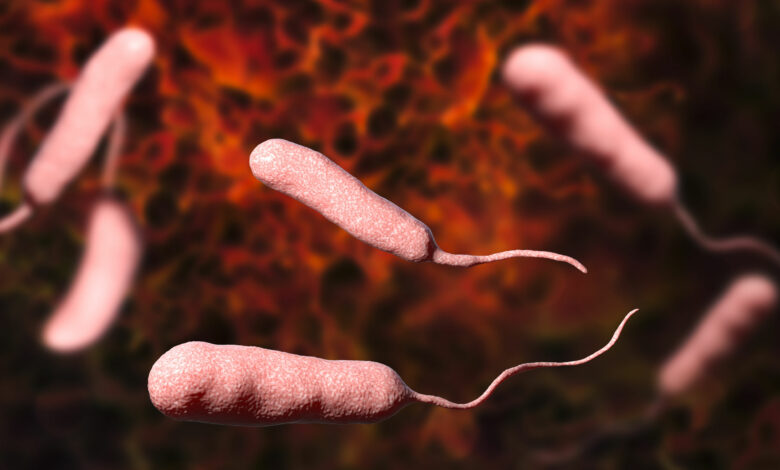
The Department of Health has expressed concern at the increasing number of locally acquired indigenous cholera cases after four new cholera cases were recorded in Gauteng over the last week.
“While there is an ongoing risk for imported cases following travel from other African countries currently experiencing cholera outbreaks (especially Malawi, Mozambique, Zambia and Zimbabwe), the increasing number of locally-acquired indigenous cases is very concerning,” the department says.
All the new cholera cases have been classified as indigenous cases; none reported recent travel (international or local) and there was no evidence of a direct link to imported cases.
“It is critical that healthcare workers and laboratorians consider and test for cholera in persons with acute watery diarrhoea, even in the absence of a travel history or a link to known cases.
“While this is especially important in Gauteng where local transmission of cholera has been established in at least two districts, the other provinces remain at risk for imported cases and subsequent local transmission and must remain vigilant,” the department explains.
The Department of Health last updated their cholera statistics on February 28.
“Three of the new cases are in the City of Johannesburg and are adults who participated in the same traditional healing ritual. One case is in Ekurhuleni – that of a 10-year-old child with no history of travel and no apparent links to other cases. All new cases are recovering,” the department adds.
In total, 10 confirmed cholera cases including one death has been reported since February 5.
All cases are in Gauteng, and no confirmed cases have been reported in other provinces. The cases range in age from 10 to 50 years.
“In eight cases, vibrio cholerae was isolated from stool or rectal swab specimens in and further characterised as toxigenic vibrio cholerae O1 serotype ogawa; two cases were negative on culture and diagnosed by PCR tests. All isolates have tested susceptible to ciprofloxacin and azithromycin.
“The first three cases in this outbreak were imported or import-related cases following travel to Malawi. All subsequent cases acquired infection locally and are classified as indigenous cases.
“The indigenous cases are from two districts in Gauteng (City of Johannesburg and Ekurhuleni). Some cases reported exposure to, or consumption of, untreated water from the Jukskei and Klip rivers and these are being investigated as possible sources of infection,” the department notes.
All healthcare workers must consider cholera in any person with (or dying from) acute watery diarrhoea. For cases of acute watery diarrhoea:
- Collect a stool or rectal swab specimen and request culture for cholera (in addition to other microbiological tests etc as indicated). Where possible, collect specimens before antibiotic treatment is given. Guidance on the collection of specimens can be found here.
- Notify the case as suspected cholera by completing a Notifiable Medical Conditions case notification form. Do this immediately; do not wait for laboratory results.
Detailed guidance for cholera diagnosis and management can be found on https://www.nicd.ac.za/diseases-a-z-index/cholera/.
Read original story on comarochronicle.co.za