
Hospice Week: How palliative care can improve quality of life
Palliative care aims to provide relief from not only physical but also emotional symptoms of a disease.
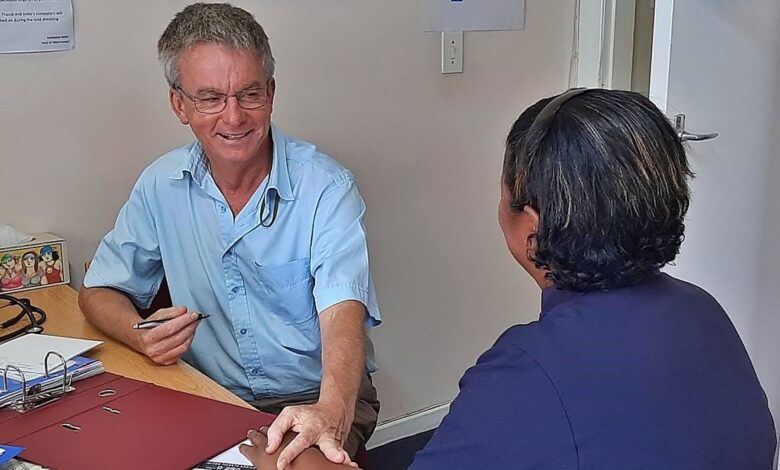
Palliative care is not always the end of the road and can help bring comfort and improve patients’ quality of life. It often includes services such as psychosocial care to help patients deal with issues such as family conflict or depression that might be impacting their illness in a negative way. This year Hospice Week, celebrated from May 7 -13, aims to highlight the role hospices play in the medical and healthcare landscape.
Hospice Week is celebrated on the back of the Palliative Care Conference (held in late April), which brought together the diverse disciplines that make up such services and highlighted the holistic nature of this very special and essential service.
‘Patients and their families are often scared to approach a hospice or panic when their doctor proposes palliative care because they believe that this means giving up. The holistic care that our members offer, often alongside curative treatments, improves quality of life and can even extend life,” says Dr Ewa Skowronska, CEO of the Hospice Palliative Care Association (HPCA).
Stewart Gordon’s story is an excellent example of this. According to Angelique Botha, a home care nurse at Helderberg Hospice, he had 14% cardiac function left, was bedbound, and had difficulty breathing when he was referred by Groote Schuur Hospital. Helderberg Hospices’ inter-disciplinary team of a doctor, nurse, and social worker visited Stewart in his home, and within a month he was walking again.
“The essence of palliative care is the inter-disciplinary focus that we bring to the patient’s bedside,” says Dr Mark Hosking, who cared for Gordon.

His colleague, Heidi Hendricks, a social worker at Helderberg Hospice, concurs: “Empathy and patience are key elements in our work. Each patient is unique, and we as social workers celebrate this uniqueness and encourage patients and families to live and make decisions as the experts of their own lives.”
A lifelong motorcycle enthusiast, Gordon longed to go riding once more, and ultimately his palliative care team deemed him well enough to spend a day riding on a Harley Davidson with a local cycling club. He passed away peacefully at home, surrounded by his loved ones, two and a half years after being referred to Helderberg Hospice.
“Living with a serious illness can be difficult, especially when it comes to managing complex and distressing symptoms,” says Dr Jesne Kistan from Hospice East Rand.
“That’s where palliative care comes in. Our goal is to improve the quality of life for patients living with serious illnesses. Our palliative care services are available to patients admitted to hospitals as well as ill patients in the comfort of their homes. We work alongside oncologists, physicians, neurologists, surgeons, internists, nurses, and other clinical teams to ensure the best possible care for our patients.”
According to Dr Ally (first name not provided), a palliative care doctor that works with Lambano Sanctuary, patients are often referred late to hospices as there is a perception that only end-of-life care is provided. This delays the support that palliative care can offer not just the patient but also the family.
“We recently had a nine-year-old patient who was not referred to the palliative care team upon diagnosis and was in a lot of discomfort by the time she came to us,” says Ally. “Patients could benefit a lot from referral at the point of diagnosis so that palliative support can commence during curative treatment.”
“Palliative care operates with the philosophy of kindness and compassion. Our members provide palliative care to families and caregivers as well,” says Leigh Meinert, Advocacy and Operations Manager at the HPCA. “In the 2021–2022 financial year, HPCA’s members provided palliative care for 15,793 patients, and support to 22,699 family members.”

Gordon’s sister, Patricia van Wyk, supports this: “As a family member, I can see the value of having hospice in your life. It is the beginning of the journey, not the end.”
In the case of a patient cared for by Estcourt Hospice (diagnosis of HIV and TB), he went from being bedridden with bedsores, incontinent, weak, and emaciated to being able to walk with the aid of a walker, gaining weight, and adhering to treatment with hope of a full recovery.
This took place with the assistance of a social worker who had him moved from a relative’s house to the in-patient unit and provided psychosocial care, and a physiotherapist who provided him with intensive physical support. The psychosocial issues dealt with by the social worker included family counselling, as there were challenges regarding conflict with his sister, access to a disability grant, education about positive living, and encouraging a healthy diet and exercise. Working with this aspect was critical, as conflict with his family, dealing with his illnesses, and neglect from his family were making him feel depressed and hopeless.
Visit the HPCA website to read stories of hope, for more information on palliative care, or to find a hospice in your area.
Read original story on springsadvertiser.co.za

