
KZN government opposes law compelling citizens to appear in traditional courts
The Traditional Courts Bill is currently being considered by President Cyril Ramaphosa following the National Assembly's decision to approve the measure.
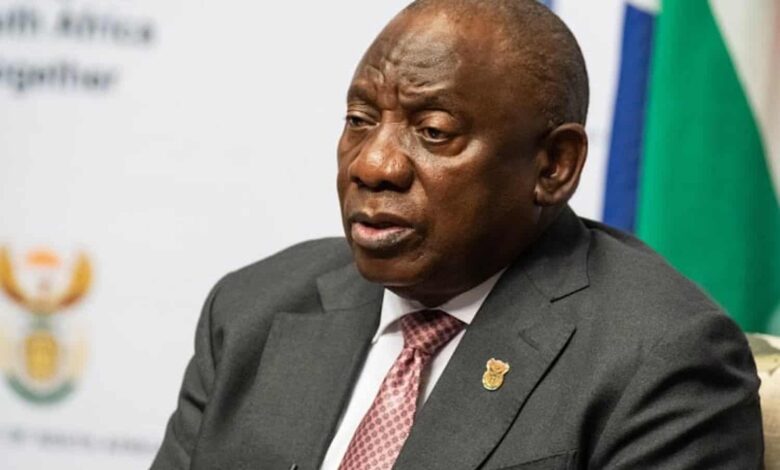
The KwaZulu-Natal Cabinet is in a bid to block President Cyril Ramaphosa from passing proposed legislation to compel rural dwellers to appear in traditional courts.
The Traditional Courts Bill is currently being considered by Ramaphosa following the National Assembly’s decision to approve the measure.
Contentious features of the bill include its failure to provide rural dwellers with an option to have their matters heard by a Magistrate’s Court.
In its recent regular meetings, the KZN Cabinet added its voice to that of organisations and individuals opposed to the Bill in its current form.
“After much deliberation, the Executive Council resolved that based on the chorus of concerns from many organisations in the province, the bill in its current form may not pass Constitutional muster.
“It’s the view of the executive council that in order to avoid the bill being delayed and challenged by dissenting voices, Exco will consider approaching the Presidency with a view to consider sending the bill back for revision and refinement,” the provincial Cabinet said in a statement.
Traditional courts are mainly presided over by traditional leaders — the majority of who are men.
This despite the fact that the majority of rural dwellers are women, owing to the fact that rural men spend most of their time at work in urban areas.
Some legal experts who participated in the National Assembly’s Traditional Courts Bill hearings — held across the country from around 2018 — told MPs they feared that the proposed legislation would create a situation where rural dwellers were subjected to a different justice system compared to people living in urban areas.
The KZN provincial Cabinet said it was concerned that the bill in its current form is silent on how the traditional courts, as envisaged in the bill, would empower rural women.
Some of the presentations of concern received by members of the executive council include perceptions that the bill seems to be taking women and vulnerable groups to the dark ages, creating two worlds and may perpetuate the suffering of women and vulnerable groups.
“The KZN provincial government — which every year allocates more than R60 million to the Royal Household Trust to cover the financial needs of Zulu King Misuzulu kaZwelithini — currently runs a number of programmes aimed at empowering traditional leaders.
“The provincial cabinet said its objection to the passing of the bill in its current form should not be construed as an attack on the province’s traditional leadership institution.
“The executive council affirmed its unceasing support to the institution of traditional leadership, which is recognised in our Constitution, and remains committed to supporting traditional institutions.”
As president, Ramaphosa has the power to either approve the bill or send it back to the National Assembly for revision.
Read original story on www.citizen.co.za

