
Looming library crisis needs action plan – stakeholders
The Fundza Literacy Trust says that it is possible for digital and physical libraries to coexist in South Africa.
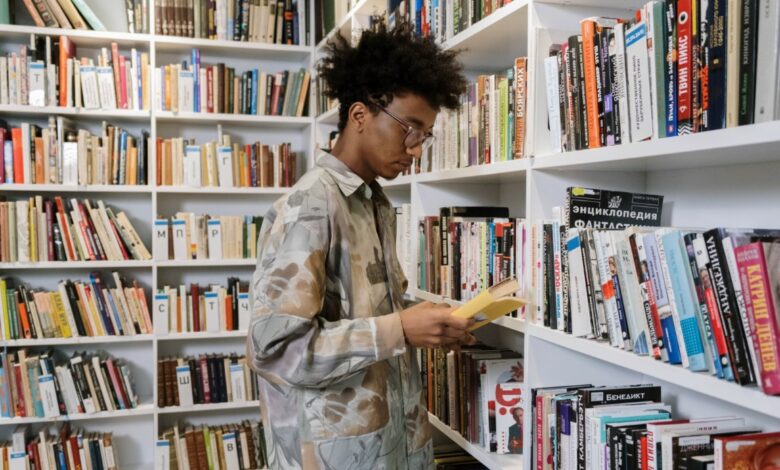
Cellphones and access to the internet has made accessibility to information that was previously only found in books, is not the only only torn page in the future of library guide.
A report by thejournalist.org states that public libraries in the country continue to close down at an alarming rate and besides easier access, management issues and budget constraints have also played a role in this.
However, Fundza Literacy Trust executive director and trustee Lea-Anne Moses says physical libraries and digital tools can co-exist and thrive together.
“In a country with one of the lowest literacy rates in the world at 87% with 3.7 million illiterate people and 73% of people over the age of 16 not interested in reading, the shrinkage of the physical libraries network can only exacerbate the crisis”, Moses adds.
She believes libraries play a pivotal role in society by providing free access to information and resources.
“In South Africa where literacy is an issue and books are expensive, libraries allow for access to reading materials – something that is crucial for a maintained literacy regimen among the population, which if left to decline could be detrimental to the development of any country.
“Libraries can find ways to keep their doors open using innovative digital thinking, while also attracting a new generation of library users by using technology in their everyday offerings. If libraries are to remain open and become more appealing to young people who not only need the information, but a safe space to access information, then physical libraries should be encouraged to become more technologically savvy,” explains Moses.
According to her, most libraries today offer WiFi and computer stations for those who need internet access.
Additionally, in the Western Cape for example, if you are a library member, you have access to an online library portal as well as Pressreader where you can access digital versions of the latest newspapers.
This, to her, is not enough as she says libraries need to promote the use of digital tools such as Fundza.mobi that allows for access to hundreds of stories written for teens and young adults by their own peers.
“By doing so, libraries ensure that there is access to new stories that are relatable and written in multiple South African languages – an important thing to consider if we wish to increase the literacy and comprehension rate in South Africa.”
An initiative by Delft Library in Cape Town’s director Ashley Lewis has introduced a gaming station that is only able to be used by children if they read books regularly and do their homework first.
Moses notes: “The Delft Library is an excellent example of how the traditional library can modernise to accommodate young people. Not only is the library ensuring that it remains appealing to the community, but it is also a haven for children to relax and unwind in a community plagued by social issues such as drugs, gangsterism and more.”
She believes modern libraries have the opportunity to provide a space in which physical books, mobi sites, digital libraries and technological tools can all exist under one roof.
“These institutions offer free access to reading materials that can help address societal limitations, bridge the gaps, and enable a conducive learning environment that meets the needs of all South Africans. Instead of closing the doors of libraries, we need to open our minds to the possibilities that exist within,” Moses concludes.
Read original story on sowetourban.co.za