
More children are going hungry in SA, study reveals
Over the past month, the average cost to feed a child a basic nutritious diet increased by R25.30 (2.8%).
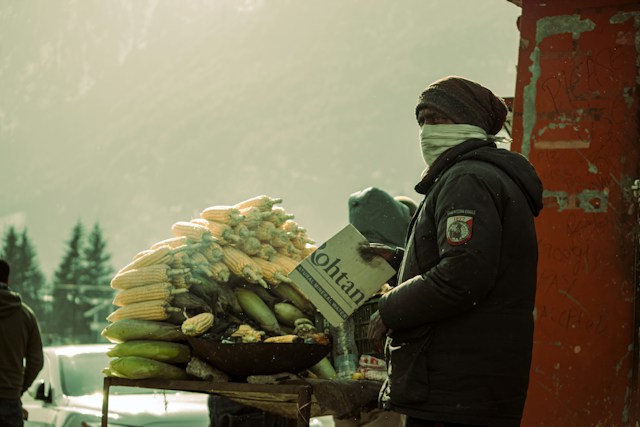
With the increase in the cost of basic food together with the high rates of unemployment and poverty, more children are going hungry according to a recent study.
Health minister Joe Phaahla told Parliament recently that an extra 6 000 children a year have gone hungry since the Covid-19 pandemic. The rate of severe acute malnutrition (SAM) in children under the age of five in SA has risen 26% in the past five years, with the sharpest increase reported in the Eastern Cape.
Children who weigh less than 60% of their recommended weight are considered to have SAM. According to Unicef (United Nations International Children’s Emergency Fund), severe malnourishment is a major contributing factor towards the death of children under five years old, increasing their mortality risk by up to 20 times more than that of a well-fed child.
Phaahla said the increase in the reported incidence of SAM might represent a real increase in malnutrition but could also be due to better case detection.
Meanwhile, low-income households are being forced to remove nutritious foods from their grocery lists as food is simply becoming too expensive for many to afford.
According to the latest household affordability index undertaken by the Pietermaritzburg Economic Justice and Dignity Group (PMBEJD), the average cost to feed a child a basic nutritious diet in October 2023 was R932,73 a month.
Over the past month, the average cost to feed a child a basic nutritious diet increased by R25,30 (2,8%).
Year on year, the average cost to feed a child a basic nutritious diet increased by R107,42 (13%).
The PMBEJD said in October this year, the child support grant of R510 is 33% below the food poverty line of R760, and 45% below the average cost to feed a child a basic nutritious diet, which is R932,73.
Prishika Maharaj, a nutrition specialist, said these figures paint a worrying picture.
She explained that malnutrition is a serious condition that happens when your diet does not contain the right amount of nutrients. She said SAM makes children vulnerable to other diseases such as pneumonia, severe diarrhoea and complications from diseases such as measles.
“The constantly increasing food prices in South Africa can be blamed for the high number of children with malnutrition because people unfortunately cannot afford nutritious food for themselves and their growing babies.”
“From the moment a woman finds out they are pregnant, they are advised to change their diets and consume healthier foods like fresh fruits and veggies, but the sad reality in our country is that not everyone can afford to maintain a healthy diet because food is expensive and we have a high rate of unemployment,” she said.
Maharaj said child support grants alone are not the answer.
“We need both targeted and generalised approaches to increase food access and affordability and that will require us as a society and communities to work hand in hand with the government,” she said.
Read original story on www.citizen.co.za

