
Outa hopes transport minister will scrap e-tolls system in October
Transport Minister Fikile Mbalula said in June that a decision about the system will be made next month.
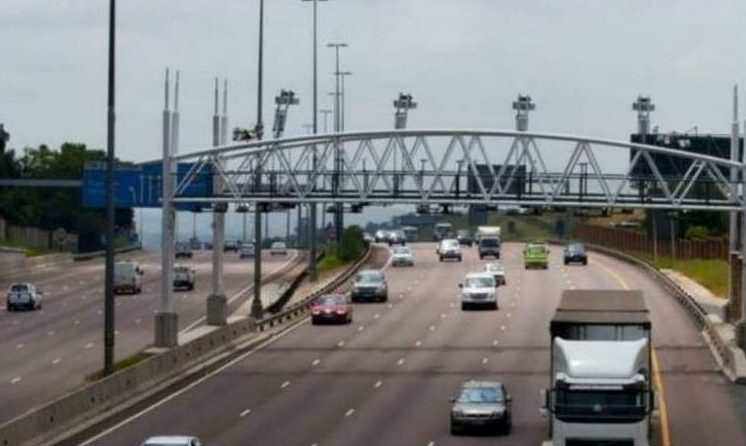
“It was clear from the beginning that this system was not going to work, and we have told the government on many occasions to scrap it.”
These are the words of Organisation Undoing Tax Abuse (Outa) CEO Dwayne Duvenage.
Duvenage said that Outa has been in talks with the government about e-tolls and finding an alternative use for them. “As I understand it, there are plans in place where e-tolls will be used to measure the average speed of motorists driving through them.”
Duvenage added that e-tolls could also be used to gather data in future.
“The data will include things like how many people use certain off-ramps and how many cars drive through a certain area per day. This data can be very useful for local property developers and city planners.”
In 2019, Transport Minister Fikile Mbalula suggested that the e-toll system will be scrapped but this never came to fruition.
Duvenage said he wants the government to give motorists a straightforward answer on the future of e-tolls.
“The system has completely failed. People want to know what the government’s final decision is on e-tolls. Only a few people, mainly business owners, are still paying.”
According to Duvenage, the e-toll debt stood at R18-billion.
Mbalula recently said that fuel levies won’t be increased to finance the e-toll system. This was in reaction to claims by Outa that Finance Minister Enoch Godongwana could possibly use the September fuel price cuts as an excuse to increase the fuel levy to finance the system.
“We know that the finance minister has been trying to find ways to get funds from the public, including a fuel levy to pay off e-toll debt. We are not completely sure that it will happen, but they have hinted that it is an alternative path they are willing to take as they have done so before,” said Duvenage.
Outa speculated that government could increase the fuel levy by 25c to 30c per litre to raise additional revenue to cover the Gauteng freeway improvement bonds, which the e-toll debacle has failed to do.
“Furthermore, there have been strong hints that the finance minister will increase the fuel levy to offset the scrapping of e-tolls.”
Duvenage feels Outa has strong reasons to believe this is a possibility due to past behaviour by the government.
“We’ve seen this move before. When the government makes desperate financing decisions based on short-term external factors, only to see the negative ramifications play out in the long-term. A classic example of this was when the petrol price dropped from slightly over R14 per litre in mid-2014 to R10.31 per litre some eight months later in February 2015.
“Former finance minister Nhlanhla Nene at the time decided to introduce massive and unnecessary increases to both the general fuel levy and the Road Accident Fund levy of 30 cents per litre (14%) and 50 cents per litre (48%) respectively.
“This decision alone added roughly R17 billion to treasury’s coffers each year, and permanently adds 80 cents per litre to the price of fuel.”
Mbalula has, however, denied Outa’s statements which he said were designed to create a sense of anxiety among motorists.
In June, Mbalula told a media briefing the government will in October make an announcement regarding the e-tolling system.
Outa was hoping this would mean the end of the e-toll system.
In August, e-tolls operator Sanral released a tender indicating they were looking for an alternative use for the system, with one proposal being to measure the average speed of cars passing through.
The Automobile Association (AA) also said that the system should go.
“Suggesting road funding and maintenance is an either/or situation based solely on e-tolls is misleading, there are other options available. Scrapping of e-tolls should not result in a lack of maintenance and development on the Gauteng freeway; it just means alternative sources of funding must be sought,” the AA said in a statement.
Read original story on rekord.co.za

