
Plan needed to protect long-distance buses after win in Eastern Cape High Court
The transport minister and provincial MEC have been ordered to develop a comprehensive plan to safeguard drivers and passengers.
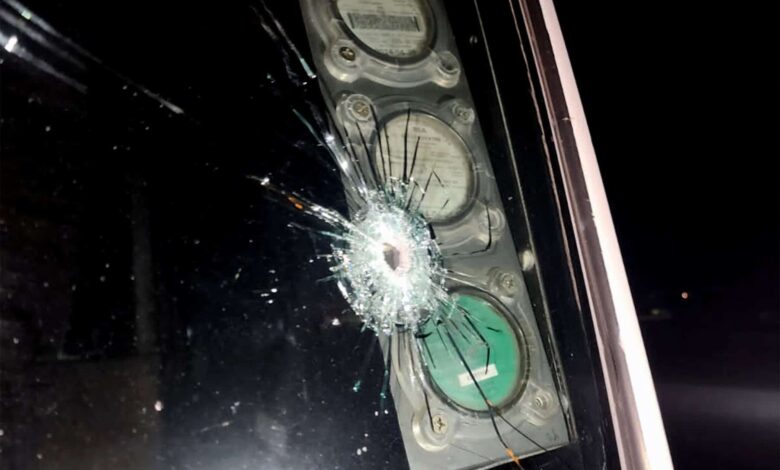
Long-distance coach company Intercape has won another round in its long legal battle to force the state to act to protect the company, its drivers and passengers against the campaign of violent attacks and intimidation waged against it.
A media release from the company yesterday said the Eastern Cape High Court in Makhanda on Wednesday issued an order compelling the minister of transport and the MEC for transport in the province to work with the police to develop a comprehensive plan to provide for the safety and security of Intercape’s drivers and passengers in the Eastern Cape.
The order
In handing down the order, judge John Smith said there was a duty on the state to act so that the “lives of [Intercape] drivers and passengers are not left in the balance”.
In terms of the order, which comes into effect immediately, the respondents must develop a revised comprehensive plan on the steps they intend taking to ensure that reasonable and effective measures are put in place to provide for the safety and security of long-distance bus drivers and passengers in the Eastern Cape.
They must also ensure that “a visible law enforcement presence is maintained at every loading point in hotspot towns and areas at each of the times at which the applicant’s buses are scheduled to stop at those loading points, in order to maintain the safety and security of long-distance bus drivers and passengers”; and that “law enforcement escorts are provided to the applicant’s buses along the hotspot routes, and any other routes, as and when requested by the applicant on account of a legitimate concern over a risk of intimidation or violence”.
Counsel for the national and Eastern Cape commissioners of police had argued that police resources were strained, describing having to provide escorts to certain Intercape coaches as “onerous”.
However, judge Smith responded that what was being sought by Intercape was “little more than what it is reasonably expected of the police to do in any event”.
Intercape said that in recent weeks, there have again been concerted attacks against Intercape coaches in the province, with a number of incidents in which coaches were shot at in and around the so-called “hotspot” towns of Cofimvaba, Butterworth, Engcobo, Tsomo and Idutywa.
The company said that having resumed operations in the no-go zones earlier this year, “Intercape once again finds itself the victim of acts of violence and intimidation”.
It sought a further order compelling the Eastern Cape MEC and minister of Transport to prepare a revised action plan, in consultation with the SAPS, according to specified directions.
Given the persistent threat of violence, however, it also asked the court for an “interim measure pending the finalisation and adoption of the revised action plan, requiring the SAPS to implement the action plan as presently formulated by maintaining a visible police presence at loading points in hotspot towns and areas and providing police escorts along hotspot routes”.
Intercape CEO
Intercape CEO Johann Ferreira said: “We understand very well that providing escorts to Intercape coaches is an extraordinary measure, but this is an abnormal situation we are dealing with and comes as a direct result of the police’s complete and absolute failure to act to stop these attacks.”
There have been over 150 cases opened with police in the Eastern Cape and not a single arrest to date, despite overwhelming evidence of criminality, said Intercape.
On July 12 the court will hear submissions by the respondents as to why the order should not be made a final order of court.
Read original story on www.citizen.co.za

