
PrEp ‘safe for pregnant women living with HIV’ – study
Due to the absence of safety data, pregnant and lactating women were excluded from the PrEP roll-out in SA.
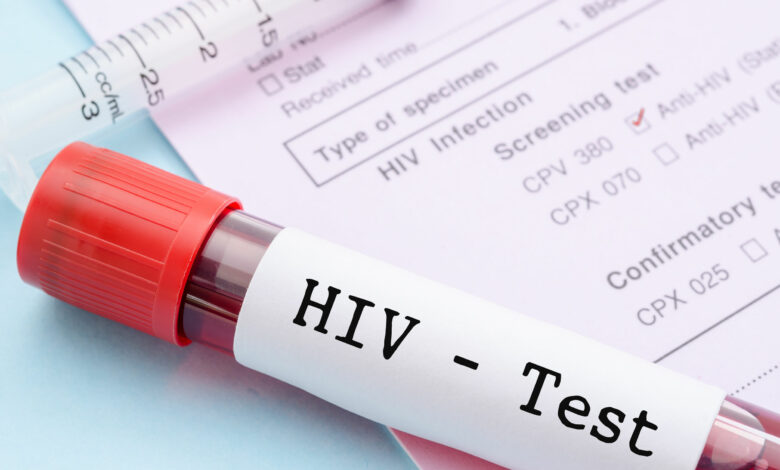
An international study has confirmed the safety of tenofovir disoproxil fumarate and emtricitabine as pre-exposure prophylaxis (PrEP) in pregnant women not living with HIV.
The study was led by the University of KwaZulu-Natal’s (UKZN) professor Dhayendre Moodley.
Until December 2019, pregnant and lactating women were excluded from the PrEP roll-out in SA on the basis of the absence of safety data for its use in pregnancy.
The CAP016 PrEP study was conducted in Durban, between 2017 and 2019.
Initially, 693 pregnant women were screened and 540 were randomly assigned to immediate PrEP (n=271) or deferred PrEP (n=269). The study aimed to assess pregnancy outcomes and frequency of maternal and neonatal adverse events in pregnant women randomly assigned to initiate PrEP in the second trimester of pregnancy (14-28 weeks) or initiate PrEP after cessation of breastfeeding.
The study assessed if early start of PrEP was associated with preterm birth, low birth weight, stillbirth or for small gestational age infants.
Moodley said their findings suggested that PrEP in pregnancy does not increase any adverse pregnancy outcomes like preterm birth, low birthweight, small for gestational age, or stillbirth.
“Moreover, this study is likely to be the last clinical trial comparing PrEP with no PrEP, and provides a valuable benchmark for adverse pregnancy outcomes for future planned studies of novel PrEP strategies,” said Moodley.
According to the World Health Organisation, PrEP is a promising intervention to prevent HIV acquisition and hence determining the safety of PrEP in pregnant women is vital.
Adverse pregnancy outcomes in low- and middle-income countries are frequent and may be due to several factors including poor antenatal care and other infections such as undiagnosed and untreated sexually-transmitted infections.
The study was funded by Gilead Sciences and the South African Medical Research Council in collaboration with scientists from the universities of KZN, Stellenbosch, Witwatersrand, Southampton (UK) as well as the SAMRC, the Centre for the Programme of Aids Research in South Africa, KwaZulu-Natal Department of Health and Gilead Sciences (USA).
Read original story on www.citizen.co.za

