
President hits back at claims of white Afrikaner genocide and land grabs
Cyril Ramaphosa rejected claims of a white Afrikaner genocide and defended US relations, while highlighting SA’s achievements during its G20 presidency.
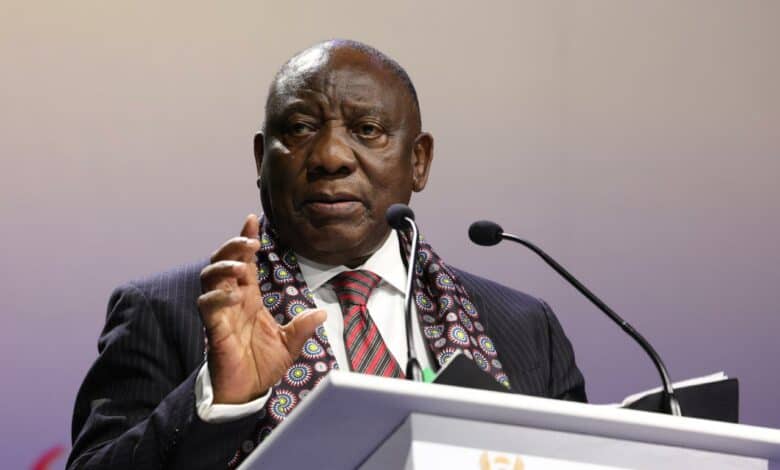
President Cyril Ramaphosa has moved to counter what he called ‘blatant misinformation’ about claims of a so-called white Afrikaner genocide and land confiscation in South Africa, stressing that the country remains ‘a firm and unwavering friend of the American people’ despite recent diplomatic tensions.
The Witness reports that in a televised address to the nation last night, the president said false allegations had been used to justify the US administration’s absence from the G20 Leaders’ Summit in Johannesburg last week.
“It is even more unfortunate that the reasons the US gave for its non-participation were based on baseless and false allegations that South Africa is perpetrating genocide against Afrikaners and the confiscation of land from white people,” he said.
“This is blatant misinformation about our country.”
US relations remain strong, says Ramaphosa
Ramaphosa emphasised that South Africa valued its long relationship with the US.
“Despite the challenges and misunderstandings that have arisen, South Africa remains a firm and unwavering friend of the American people,” he said.
“We offer the people of the United States nothing but goodwill and friendship… We have common interests, common values and a shared wish to advance the prosperity and well-being of the people of both our countries.”
He said those spreading disinformation were ‘endangering and undermining South Africa’s national interests, destroying South African jobs and weakening our country’s relations with one of our most important partners’.
G20 outcomes highlighted
Turning to the G20 outcomes, Ramaphosa hailed South Africa’s presidency as a success that ‘showed the world what African leadership looks like – dignified, strategic and people centred’.
He said global leaders had affirmed the importance of multilateral co-operation and agreed on actions that would ‘improve the lives of the people of South Africa, as they will improve the lives of the people of Africa and the world’.
He highlighted agreements on debt relief mechanisms for developing countries.
“The G20 leaders agreed on further mechanisms to provide relief to countries with unsustainable debt levels, to reduce the cost of debt and to increase affordable financing,” he said, adding that many African countries spent more on debt repayments than on health or education.
On climate change, Ramaphosa said leaders recognised that its greatest impact fell on vulnerable countries and committed to increased support for prevention, recovery and climate action.
“This is particularly important for countries like South Africa as we undertake a just energy transition… in a manner that protects workers, businesses and communities,” he said.
The president also welcomed agreement that countries rich in critical minerals must benefit from processing and beneficiation at home rather than exporting raw materials.
Call for unity
Closing his address, Ramaphosa urged South Africans to resist attempts to sow division through misinformation.
“We must never allow others to try to redefine our country and cause divisions among us,” he said.
“We know who we are. We are South Africans… In the best and worst of times, we have stood together.”
He thanked citizens for helping host what he called a successful and historic G20 Summit.
Breaking news at your fingertips… Follow Caxton Network News on Facebook and join our WhatsApp channel.
Nuus wat saakmaak. Volg Caxton Netwerk-nuus op Facebook en sluit aan by ons WhatsApp-kanaal.
Read original story on witness.co.za

