
R1.6b grant for research institute to combat HIV/TB in KZN
The grant given to the Africa Health Research Institute by the Wellcome Trust will help tackle the epidemics in the province.
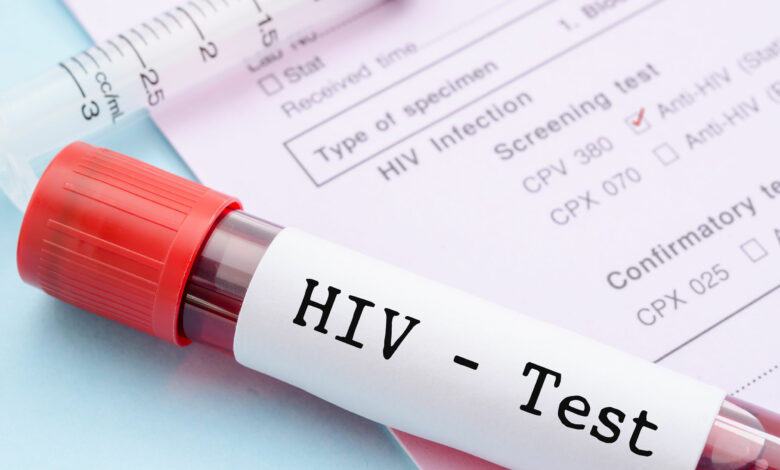
The Africa Health Research Institute (AHRI) has gotten a R1.6b grant from the Wellcome Trust to combat HIV/TB in KZN.
According to a press release issued by the AHRI, the grant will support AHRI’s pioneering scientific research toward achieving its goals of optimal health and the well-being of under-resourced populations.
The grant will run for seven years and the project will aim to tackle the heart of the global HIV/TB co-epidemics in KZN. The project will focus on understanding and responding to diseases that are the major causes of illnesses in South Africa.
The grant will help address key questions including:
- How can HIV be prevented in rural communities?
- How can HIV be cured?
- How can TB spread be prevented in rural communities?
- Do new vaccines prevent TB disease?
- How can new infections such as Covid- 19 be identified early and controlled?
- How can mental health disorders in rural adolescents best be treated?
The grant will also help train the next generation of African scientists and the facilities are run by a team of 28 faculty members who will drive the institute’s cutting-edge, interdisciplinary research. AHRI hosts a world-leading health and demographic surveillance system in rural northern KZN, and its laboratories are among the most sophisticated in Africa. The institute’s dedicated clinical trials unit tests new vaccines and drugs, while implementation trials are used to find the best ways to bring health innovations to people, reads the statement.
Professor Willem Hanekom, the executive director of AHRI, says: “This grant is a vote of confidence in our ability to produce excellent scientific research, with demonstrable impact. We believe our broad research value chain, from population to basic sciences, and strong collaborations with communities and other research stakeholders place us in a unique position to address some of the most pressing health challenges facing under-resourced populations globally.”
Read original story on www.citizen.co.za

