
Rehabilitation of Wilge River will take time
It was reported that 23 indigenous and three exotic species of fish were killed after an old shaft at the Kromdraai Colliery collapsed in February.
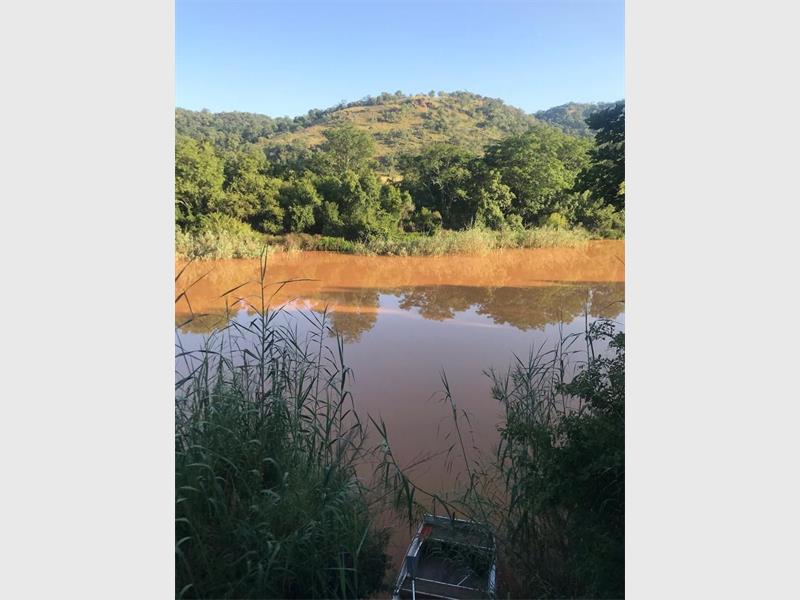
Farmers along the Wilge River, the Olifants River and the Loskop Dam can commence with irrigation of their crops and provide drinking water to animals, but it will still take time to rehabilitate these waters and to restore the aquatic life.
A specialist biodiversity company has been appointed to ensure that the detailed rehabilitation plan includes medium- and long-term actions to reintroduce aquatic life after an old shaft at the Kromdraai Colliery collapsed on February 14.
The spill of AMD affected the Kromdraaispruit, Saalboomspruit, Wilge River, Olifants River, and Loskop Dam, covering areas in Gauteng and Mpumalanga.
Large numbers of dead fish of multiple species were first reported on February 16 along with various water colour changes (orange and blue) and fish die-offs continuing until at least February 21.
Upon receipt of a directive from the Department of Water Affairs, mine personnel from Thungela (current owners of Kromdraai Colliery) began engaging with stakeholders, and several emergency response actions were taken.
This follows the successful completion of the first phase of corrective measures to mitigate the impacts of an environmental incident that took place on 14 February.
The corrective measures included, containing the overflow, flushing the river system with water from the Bronkhorstspruit and Witbank Dam and collaborative clean-up efforts along the rivers system stretching 60km.
The successful clean-up was done in collaboration with the Mpumalanga Tourism Parks Authority (MPTA).
Independent water analysis results for the past two weeks indicate that the quality of the water has normalised to the baseline quality that existed prior to the incident.
Thungela continues with water monitoring requirements and provides reports to the Department of Water and Sanitation on a daily basis.
The next phase of the remediation is underway with a risk assessment to define all impacts of the incident.
“We are pleased with the results of water monitoring as this signals the success of the initial clean-up efforts. We are fully committed to continue working with authorities, the farming communities and specialist biodiversity, environmental, water and health experts to inform the steps to remedy the effects of the incident,” said Thungela CEO July Ndlovu.
In conjunction with regulating authorities, water was released from the Bronkhorstspruit and Witbank Dams on February 23 to dilute the AMD and improve water quality in the Wilge and Olifants Rivers respectively.
Dead fish were cleared from several locations, including Loskop Dam to reduce the number of carcasses and potential scavenging by wildlife.
“Unfortunately, most of the affected river sections are inaccessible with the result that hundreds, if not thousands, of fish carcasses would have been decomposing in and along the river. About 3 tonnes of dead fish were collected from Loskop Dam and buried,” said scientist Jackie Dabrowski.
The Mpumalanga Tourism and Parks Agency (MTPA) reported 23 indigenous and three exotic species of fish killed in the incident.
The fish affected vary in their sensitivity to pollution, and even the most resilient species were killed.

Recently deceased fish (clarius gariepinus and labeobarbus marequensis) were collected from Meulstroom and a number of specimens of various species were collected from the inflow of the Olifants River to
Loskop Dam that were submitted to the pathology laboratory at Onderstepoort Veterinary Campus (University of Pretoria) for assessment on February 17 and February 21 respectively.
Dr Johan Steyl conducted a histopathological assessment of the fish specimens submitted and determined the primary cause of mortalities was water acidification.
Rehabilitation of watercourses affected by this event is a challenge, if not impossible task to actively undertake.
“The best approach to rehabilitation will be to ensure that Kromdraai Colliery itself is rehabilitated, and a permanent solution to the evidently significant groundwater problem is found and implemented. Only this way can we be certain that the incident won’t recur. The continued seepage of AMD into the Kromdraaispruit with an instream treatment plant is not sustainable as a long-term rehabilitation solution,” said Dabrowski.
This spill, as well as the ongoing pollution of the Bronkhorstspruit River by sewage, agricultural sources and water hyacinth severely compromises the Wilge River, making the recommended ecological category of C (moderately modified) difficult to sustain.
Confluent Environmental (Pty) Ltd was requested by the Bronkhorstpruit Catchment Forum and Oppenheimer Generations Research and Conservation to provide aquatic specialist inputs from an independent perspective into a fish kill that occurred on the Wilge River and associated tributaries.
Read original story on ridgetimes.co.za

