
Research shows water problems in informal settlements amid Covid-19
Asivikelane weekly research found that most residents still have no access to a proper water supply while shared toilets were not cleaned.
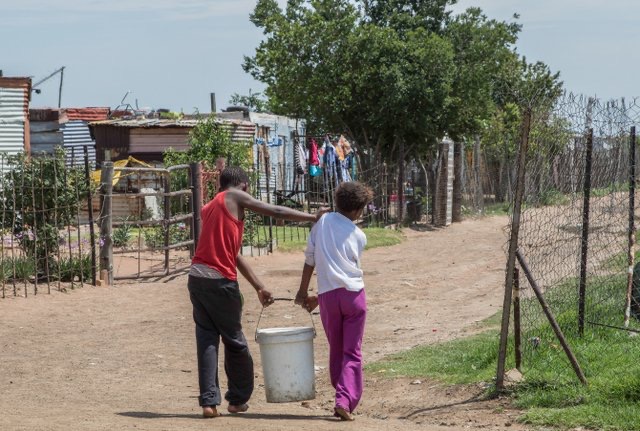
Most informal settlement residents still struggle to get water amid the Covid-19 outbreak, while others have received government’s promised assistance, new research reveals.
Asivikelane weekly research found that most residents still have no access to a proper water supply while shared toilets were not cleaned.
These conditions have sparked fears of possible easy transmission of Covid-19 as more informal settlements become hotspot areas.
Data was collected from 504 residents in 181 informal settlements in the municipalities of Buffalo City, Johannesburg, Cape Town, eThekwini, Ekurhuleni, Mossel Bay, Witzenberg, Knysna, Umsunduzi, Emfuleni, Cederberg and eMalahleni.
Asivakaleni spokesperson Phumeza Mlungwana said most residents had no proper water supply while water tanks were only refilled once a week.
“Residents felt the government does not care about them.”
Mlungwana said communities were also unhappy that they must share toilets that were never cleaned.
“Informal settlement residents around Ekurhuleni, Cape Town and Johannesburg reported they had not received any hand sanitiser or soap.”
Residents from Emalahleni, Mpumalanga (Spring Valley), Somgodla, Masakhane and Jooma Farm reported they have not had water for several days.
While the situation was dire in some areas, other areas in the same metros this week reported good feedback.
Residents in informal settlements such as Havelock in the eThekwini metro in KwaZulu Natal said they we were given 5-litre sanitiser containers to pour into small containers and keep refilling toilets.
Other informal settlements gave the thumbs up on clean and safe drinking water, clean toilets, refuse collection and sanitisers.
In Buffalo City municipality in the Eastern Cape, informal settlements such as Duncan Village, Nompumelelo and Orange Grove received sanitiser, disinfectant, gloves and masks and many residents reported receiving soap.
“Each home received two bars of soap,” she said.
In Mossel Bay in the Western Cape, 14 communities shared responsibility for cleaning toilets.
Residents said they had clean water, but experienced a shortage of hand sanitiser and soap.
In Emfuleni municipality, Mpumalanga, some communities received both soap and hand sanitiser.
Asivikelane is a made up of several research organisations which monitor service delivery in informal settlements.
Notice: Coronavirus reporting at Caxton Local Media aims to combat fake news
Dear reader,
As your local news provider, we have the duty of keeping you factually informed on Covid-19 developments. As you may have noticed, mis- and disinformation (also known as “fake news”) is circulating online. Caxton Local Media is determined to filter through the masses of information doing the rounds and to separate truth from untruth in order to keep you adequately informed. Local newsrooms follow a strict pre-publication fact-checking protocol. A national task team has been established to assist in bringing you credible news reports on Covid-19.
Readers with any comments or queries may contact National Group Editor Irma Green (irma@caxton.co.za) or Legal Adviser Helene Eloff (helene@caxton.co.za).
Read original story on rekordeast.co.za

