
Rhino poaching statistics: KZN the new hotspot
National poaching figures show only three less rhino were killed in South Africa in 2022 compared to 2021, but a drastic decline in Kruger National Park killings.
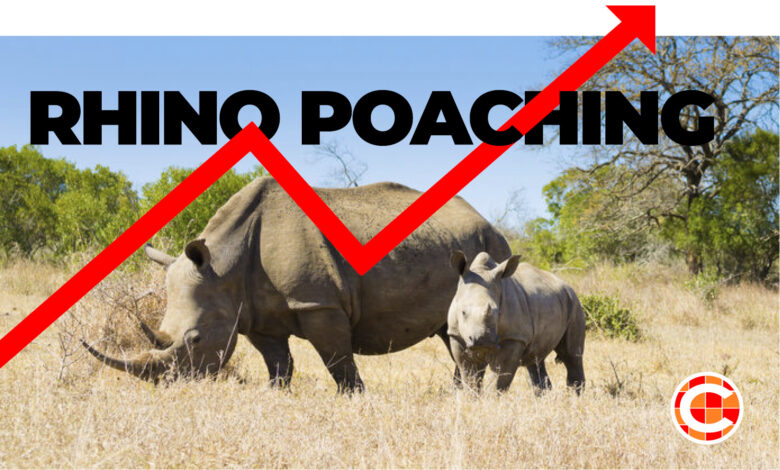
Rhino poaching figures in the Kruger National Park (KNP) showed a 40% decline in 2022 compared to the previous year, but the national statistics show that the war against poaching is far from won, with only a slight decline in the total rhino that were killed. As law-enforcement agencies gear up to clamp down on syndicates, the National Prosecuting Authority boasts with a 100% conviction rate in rhino poaching or horn trafficking verdicts last year.
Despite the decline in the number of rhinos poached in the Kruger National Park (KNP) compared to 2021, the park’s poaching figures still account for 27.67% of all rhino killed in South Africa last year.
A media statement released by the national Department of Forestry, Fisheries and the Environment (DFFE) minister, Brenda Creecy, yesterday says that last year, 124 rhinos were killed in the KNP.
The figures show that Mpumalanga had the fourth highest number of poaching incidents in the country for 2022, with 21 rhinos killed. However, this was a decrease from 2021, when 39 rhinos were poached in the province.
Although Creecy says that other than the KNP, no rhinos were killed in any of the national parks, provincial parks in KwaZulu-Natal bore the brunt of poachers.
“Unfortunately, the poaching threat has shifted to KwaZulu-Natal, which lost 244 rhinos to poaching last year. Of these, 228 were killed in provincial parks and 16 in privately owned reserves. The Hluhluwe iMfolozi Park was specifically targeted.”
In total, private rhino owners across the country lost 86 rhinos.
The total number of rhinos killed last year (448) represents a slight decline compared to the 451 poached in South Africa in 2021.
“The steady decline in rhino poaching in national parks is related to the relentless war that has been waged by our fearsome anti-poaching machinery, as well as a comprehensive dehorning programmes,” Creecy says.
“Last year’s outcome shows that collaboration between conservation authorities, SAPS, revenue authorities and international agencies works. We believe that if provincial authorities in KwaZulu-Natal follow our model, they will be able to significantly curb rhino poaching in their provincial parks before it is too late,” says Creecy.
She adds that in 2022, there were a number of successful arrests and prosecutions against those involved in rhino poaching and poaching-related offences.
Creecy feels this added weight to the integrated work of the law enforcement agencies, including the police, the Directorate for Priority Crime Investigation (Hawks), SANParks, Environmental Enforcement Fusion Centre (EEFC), the Environmental Management Inspectorate (Green Scorpions), customs officials, provincial park authorities and the National Prosecuting Authority (NPA).
In 2022, 132 arrests were made for rhino poaching: 23 in the Skukuza area in Mpumalanga, 49 in KwaZulu-Natal and the balance in Limpopo.
“The recent focus on money laundering and international co-operation with other law enforcement authorities led to the arrest of 26 rhino horn traffickers, and 13 people for money laundering and bribing of rangers.”
Creecy adds that to support anti-poaching efforts in KZN, special interventions were introduced in collaboration with the department, non-governmental organisations and the police, which resulted in four key arrests of syndicate members who were focusing their illegal efforts in the province. These agencies will continue to collaborate this year.
She says the department’s EEFC’s work enables authorities to track information pertaining to wildlife crime at a national level, and understand trends and changing modi operandi while supporting the investigative and tactical teams.
“During 2022, the NPA, in collaboration with the DFFE, established a Director of Public Prosecutions Environmental Working Group. The purpose of this group is to foster closer collaboration between the provinces working on wildlife trafficking cases and helping to identify repeat offenders moving around the country,” she says.
As part of continued efforts to ensure the survival of the rhino, SANParks is in the process of identifying suitable safe habitats across South Africa for the introduction of new rhino communities.
According to Creecy’s statement, some other important arrests and prosecutions that took place during 2022 included:
- The Mozambican rhino poaching kingpin, Simon Tivani (aka Navara), who was arrested in Maputo in a combined sting operation between the Mozambican authorities and the Wildlife Justice Commission.
- The arrest of a South African man at Changi Airport in Singapore, with 34kg of rhino horn. South Africa is working closely with Singaporean authorities to investigate the syndicate involved.
- An accused in the Skukuza Regional Court was charged for the killing of two rhinos in the Kruger National Park and the possession of unlawful firearms and ammunition. He was sentenced to 34 years’ imprisonment.
- In another matter, an accused was convicted for killing one rhino in the Kruger National Park, possession of unlawful firearms and ammunition, possession of a dangerous weapons and trespassing, and sentenced to 17 years’ imprisonment.
In relation to rhino prosecutions, verdicts were handed down in 62 cases, which resulted in the conviction of 92 accused rhino poachers/rhino horn traffickers with a conviction rate of 100%.
Read original story on lowvelder.co.za

