
Severe labour shortages hit North Coast sugarcane farmers
As foreign workers flee amid safety concerns, KZN growers warn of rapid crop deterioration and call for urgent seasonal visas.
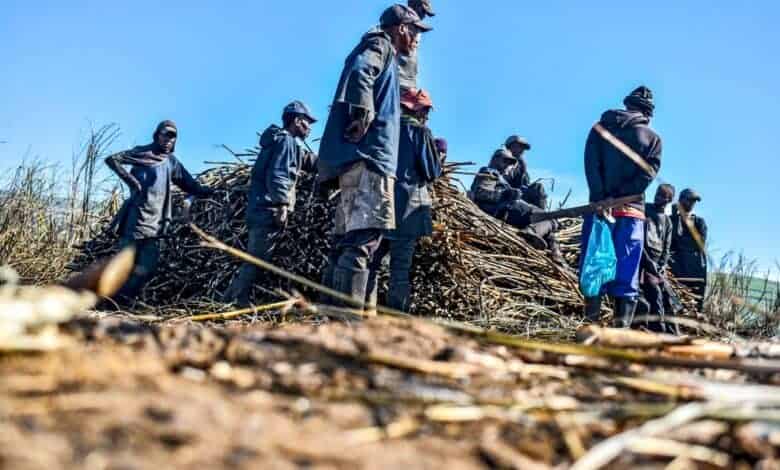
North Coast sugarcane farmers say a severe labour shortage is delaying harvesting and threatening the viability of local mills.
According to The North Coast Courier, the shortages come as many foreign nationals have left the country following recent anti-illegal immigration marches and community raids.
One local farmer told The Courier some farms had lost up to 80% of their cane-cutting workforce almost overnight.
“Production and supply have deteriorated to the point where it is going to be difficult for the mills to stay open,” he said.
Already a month behind schedule because of the delayed opening of Maidstone Mill, he said the labour crisis could cost him another month.
He warned that harvesting sugarcane after its peak maturity, or delaying delivery once cut, results in rapid sugar loss and poorer juice quality.
Replacing experienced cane cutters was proving equally difficult.
“Even if we get South African labour – and we are currently not getting enough willing locals – the next problem is productivity. Cane cutting is a semi-skilled job. If we don’t cut enough in a day, we cannot deliver enough cane to the mills, and the quality deteriorates if it stands.”
The farmer said growers were already facing a 10%–12% drop in cane prices while diesel and other production costs had risen by about 30%.
“If I have to employ additional labour, I don’t know if I will be open tomorrow.”
Harvests in jeopardy
Another local farmer, Pratish Sharma, said growers had faced a severe shortage of cane cutters since June 30.
“Most, if not all, foreign workers have fled out of fear for their safety.”
Although there are no official figures, Sharma estimated about 30% of cane cutters were foreign nationals.
He said farmers preferred employing documented workers, but some had turned to undocumented labour after failing to find suitably documented employees.
“Foreign nationals have been part of our communities for more than 20 years. They were employed like anyone else and were not paid any less. They mostly filled cane-cutting jobs, which are now proving very difficult to fill.”
Sharma warned that delayed harvesting could lead to further job losses and have serious financial consequences for Tongaat Hulett, which remains under business rescue.
He called for government to help farmers obtain corporate employment visas for seasonal foreign workers where local labour cannot be sourced.
Call for seasonal visas
South African Farmers Development Association CEO Dr Siyabonga Madlala said the organisation had not received reports directly linking labour shortages to the recent anti-illegal immigration marches.
However, he agreed agriculture faces broader labour challenges and said South Africa should introduce a seasonal worker programme similar to those used in other countries.
“There may be a need for a special dispensation allowing seasonal labour from [Southern African Development Community] countries where local supply is insufficient. This is common in countries such as the US.”
Madlala said such a system would require co-operation between government, organised agriculture and local communities, while immigration and labour laws must continue to be enforced.
Breaking news at your fingertips… Follow Caxton Network News on Facebook and join our WhatsApp channel.
Nuus wat saakmaak. Volg Caxton Netwerk-nuus op Facebook en sluit aan by ons WhatsApp-kanaal.
Read original story on www.citizen.co.za

