
Stats: How prevention is indeed better since there is no cure
Those who exercise regularly and effectively can cancel out their Covid-19 age risk, according to experts.

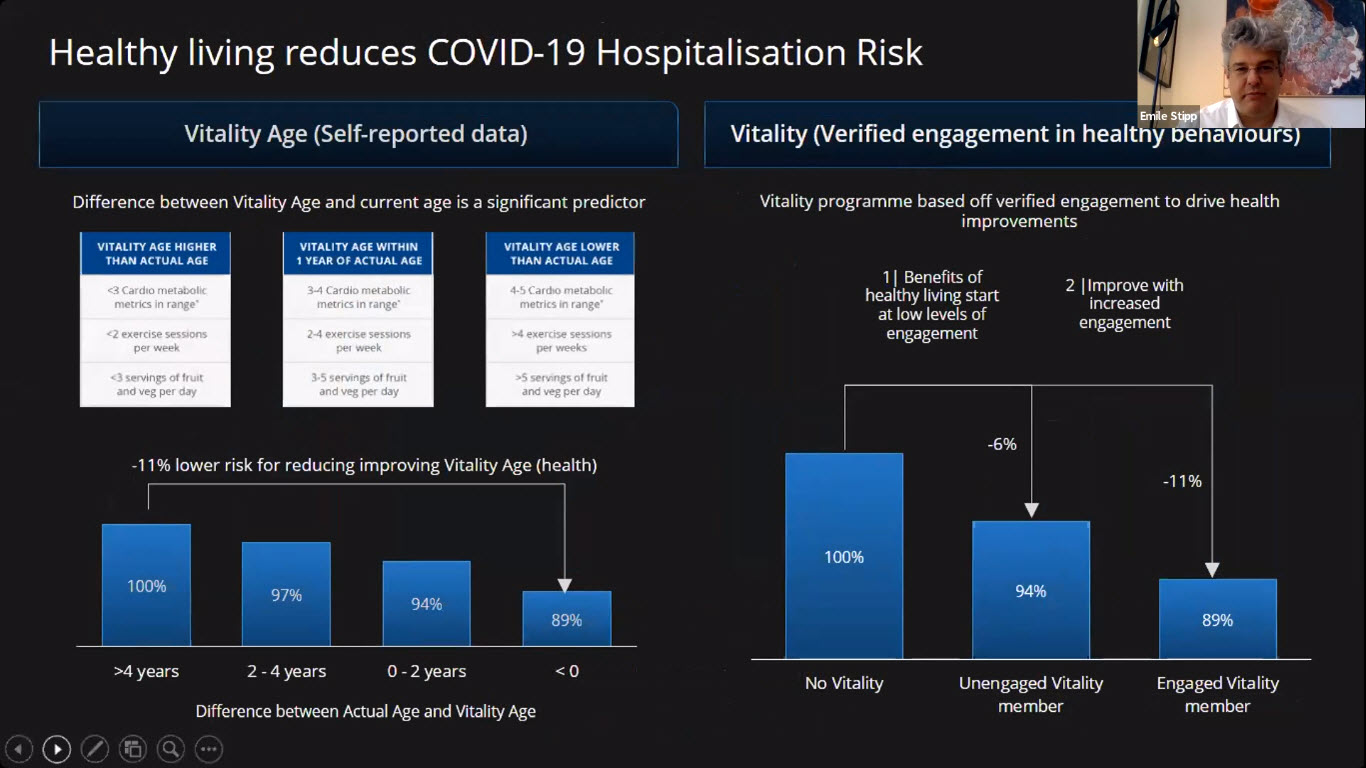
Exercise plays a major role in lowering patients’ risk for admission to hospital, should they test positive for Covid-19. This was one of the major insights Emile Stipp, Discovery Health’s Chief Actuary, shared with the media during a briefing this week.
Although the admission rate in South Africa has been fairly low thus far, Stipp said that data already indicates the same patterns as experienced in the United Kingdom, where the company is also represented, and correlates with comparative information available from global statistics.
Age, gender and patient complexities due to factors like diabetes, hypertension and other chronic illnesses have proven to have the same impact on admitted patients in South Africa.
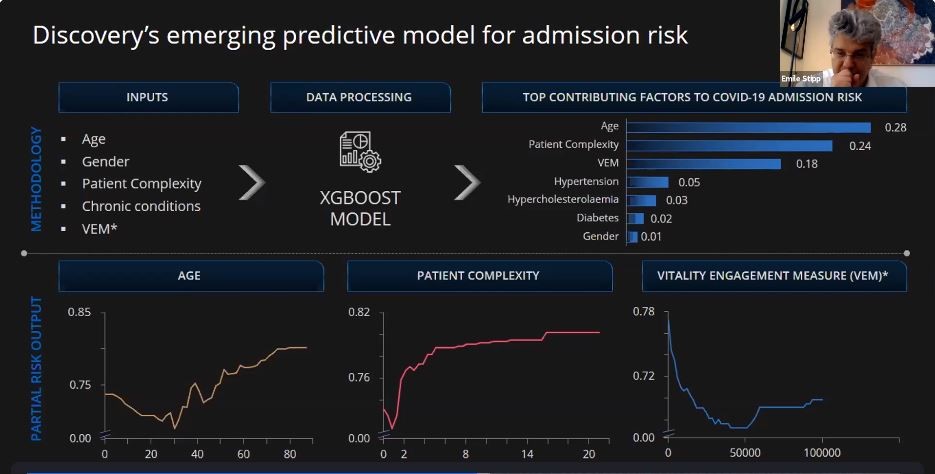
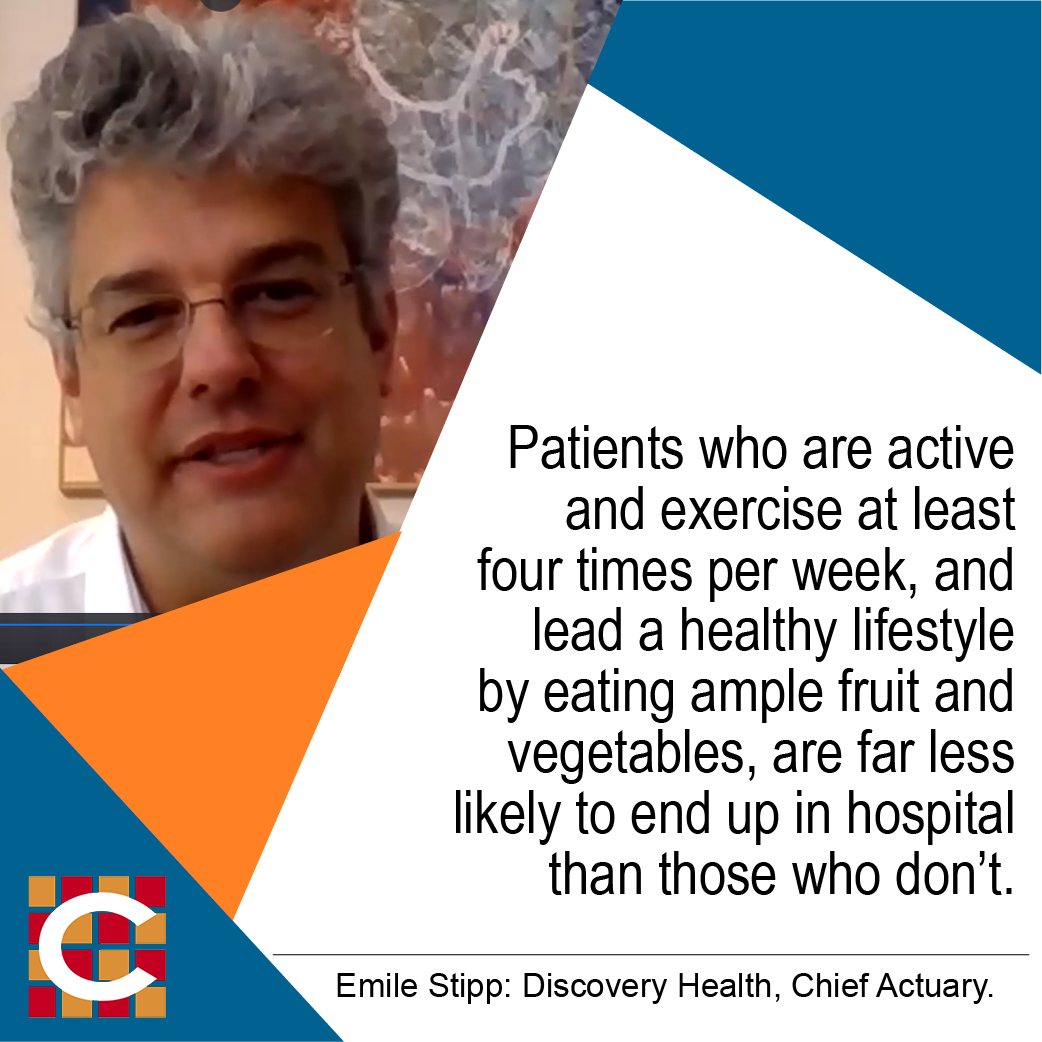
Stipp said the fact that they have full insight into a patient’s history and record of health care and lifestyle, has aided them to draw more informed conclusions. Patients who are active and exercise at least four times per week, and lead a healthy lifestyle including eating ample fruit and vegetables, are far less likely to end up in hospital than those who don’t.
By being active, those who exercise effectively can cancel out their age risk, according to Stipp. This was evident in patients with chronic conditions, with the same conclusion being made in other international studies, he said. It was important for everyone to continue being active and eat healthily during the lockdown period.
Chief Executive Officer (CEO) of Discovery Health, Dr Ryan Noach, who explained the company’s position on the pandemic, also shared his thoughts on the outbreak of Covid-19 in the Western Cape.
Noach said he shared the views of Prof. Salim Abdool Karim, leading South African clinical infectious diseases epidemiologist, on why the numbers in the province varied from that of other provinces. According to Karim, it would be reasonable to conclude that the Western Cape had far more seeding and spreading of the virus through foreign visitors before the South African lockdown period started. Combined with a major rush to supermarkets and crammed environments (in the context of more foreign infections) it probably sped up the spread of the pandemic.
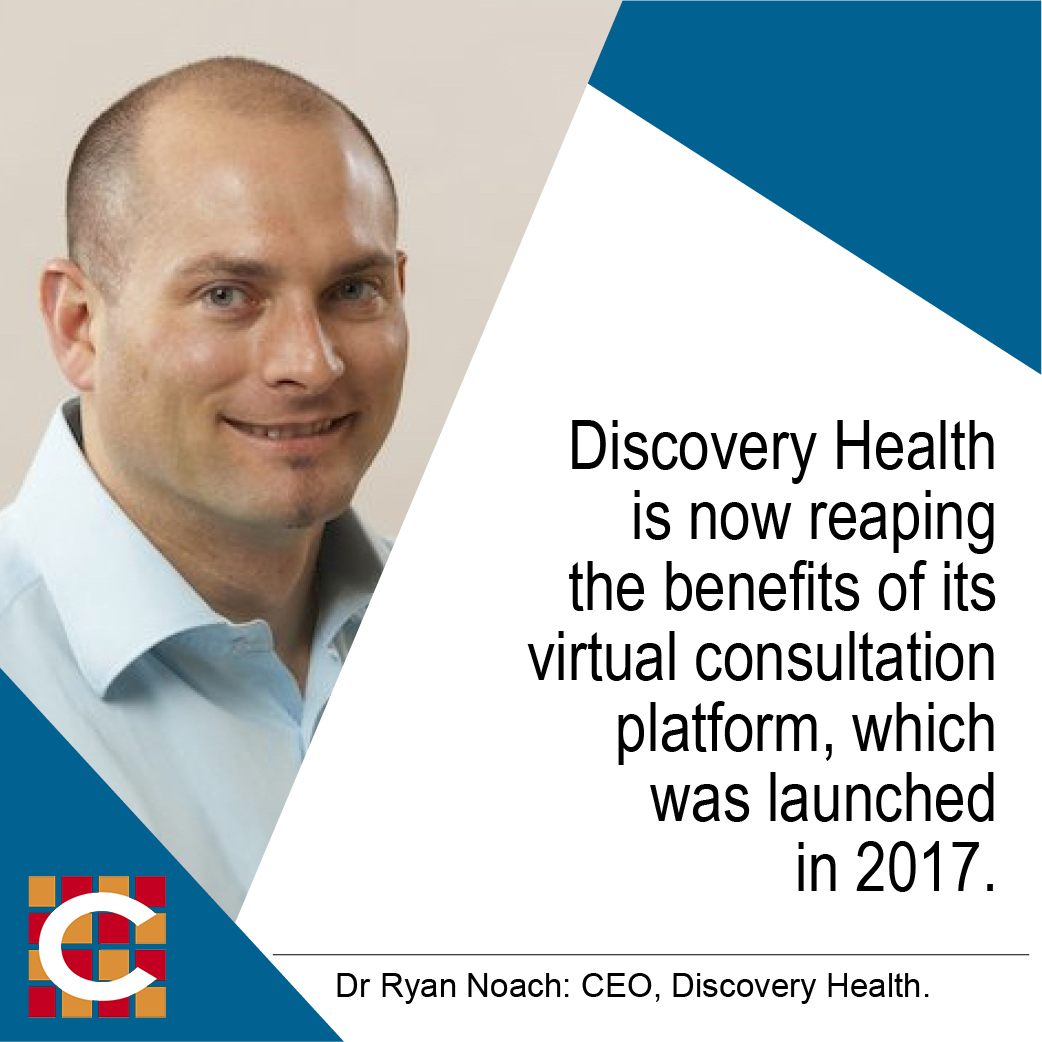
Discovery Health said they were now also reaping the benefits of their virtual consultation platform which was launched in 2017, which had little uptake until the outbreak of the virus. They are currently experiencing five times more virtual consultations between patients and doctors, of which the scheme pays 75% of the fee. They do, however, pay 100% of consultation fees for psychotherapists and psychiatrists.
Noach shared insights he gathered from a recent webinar with Prof Glenda Gray, who serves on the Ministerial Advisory Committee for Covid-19, who predicted that the earliest expectancy for a vaccine would be by mid-2021. Gray said it usually took approximately five years to develop a vaccine, and that it would be a miracle in itself if the vaccine would be available within a year.
Once the vaccine was ready, distribution and stock may prove to be a challenge due to the global demand and high-risk groups would be the first to be vaccinated.
Stipp said current predictions are that South Africa will see in the region of 40 000 deaths by November this year if the current trend persists. How government and society work together, will determine the outcome of the country’s pandemic, he said. So far, SA has done exceptionally well by managing infection numbers.
Whether hospitals were ready for the flood of patients who will eventually come, was a more difficult question Noach had to answer. He said the lockdown period has provided hospitals and the health care fraternity the opportunity to prepare and get the necessary protocols in place. The sourcing of Personal Protective Equipment (PPE) and ventilators was now under control and an extra 25 000 hospital beds have been prepared. Noach said even in developed countries, with all the resources available to them, it was still a challenge when the storm hit.
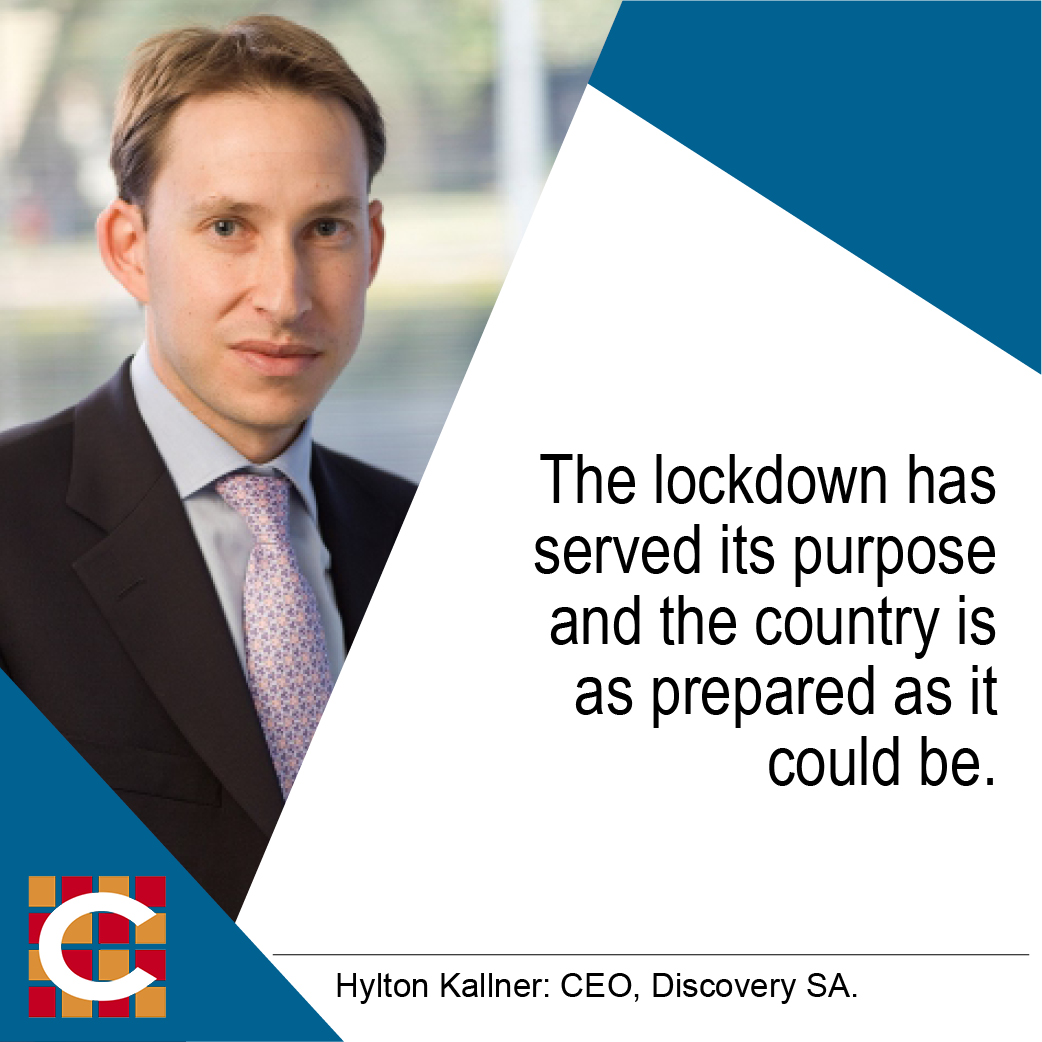
The CEO of Discovery SA, Hylton Kallner had the final say about the company’s position on the ending of the lockdown. Two critical factors were at play of which one was the medical readiness for the pandemic, he said. The preparations have been made and a prolonged lockdown will not have a big impact on the final numbers. The second factor was the economic impact, he said, adding that in his view, the lockdown has served its purpose and the country was as well-prepared as it could be.
He stressed that individual behaviours of citizens, which include continued physical activity, upholding social distancing and the wearing of masks, will help to isolate the risk and get the economy back on track.
Notice: Coronavirus reporting at Caxton Local Media aims to combat fake news
Dear reader,
As your local news provider, we have the duty of keeping you factually informed on Covid-19 developments. As you may have noticed, mis- and disinformation (also known as “fake news”) is circulating online. Caxton Local Media is determined to filter through the masses of information doing the rounds and to separate truth from untruth in order to keep you adequately informed. Local newsrooms follow a strict pre-publication fact-checking protocol. A national task team has been established to assist in bringing you credible news reports on Covid-19.
Readers with any comments or queries may contact National Group Editor Irma Green (irma@caxton.co.za) or Legal Adviser Helene Eloff (helene@caxton.co.za).
Read original story on lowvelder.co.za

