
Stellenbosch University confirms students closed sheep’s nostrils and mouth with hands during feed study
Stellenbosch University will institute mandatory ethical animal research training following the mistreatment of a sheep during a feed study earlier this year.
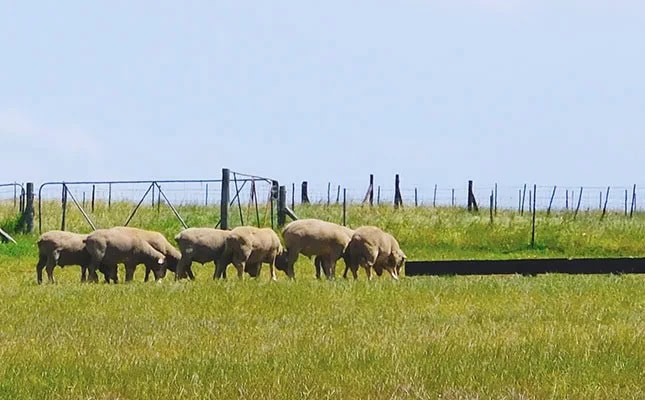
In July, Farmer’s Weekly reported on claims that students in Stellenbosch University’s (SU) Department of Animal Sciences near-suffocated sheep with plastic bags to force them to urinate and defecate during trials of their nutritional uptake of feed.
The whistleblower also claimed that animals at the university’s trial farm had gone without food and water at times.
Farmer’s Weekly reported that, in a statement released on October 21, SU said its investigation found that students had performed ‘transient apnoea’ on a sheep, which amounted to a ‘deviation from the approved protocols [of its] research ethics committee for animal care and use’.
According to the statement, the approved method for extracting urine was palpation of the bladder.
Although the headline of an earlier article stated that the university had confirmed students put a plastic bag over a sheep’s head during the study, it has since responded by saying it did not confirm this. “The facts are that the investigation confirmed that transient apnea was induced by the students by closing the sheep’s nostrils and mouth with their hands. The allegation that plastic bags were used could not be confirmed by the investigation.”
A complaint was lodged in June with the university’s Research Integrity and Ethics Office. A research integrity officer was appointed to investigate the claims on July 15, five days after Farmer’s Weekly published its report.
The investigation followed SU’s prescribed procedure for allegations of breach of research norms and standards and was completed on October 4.
The integrity officer conducted interviews with the principal researcher on the study, the chairperson of the research ethics committee for animal care and use, and other individuals involved in the case.
In addition to confirming the suffocation event, the investigation also found that the study’s principal researcher ‘failed to report the deviation from the protocol to the research ethics committee’.
‘A singular event’
SU said in its statement that ‘based on interviews and facts gathered during the investigation, the research integrity officer identified the deviation as a singular incident that was immediately stopped by the on-site veterinarian’.
It added: “It is apparent that the deviation stemmed from the fact that the students involved were unaware that the method of transient apnea would be an unethical alternative when their attempts at palpation were unsuccessful. The students did not attempt the method again after the veterinarian had made them aware of the harm to the animals.”
The university says allegations that the animals were not given food or water were unfounded, as the animals were part of a feed trial.
The statement said the integrity officer identified two factors that led to the deviation from the approved protocol and the subsequent failure to comply with procedural requirements. These were:
- Insufficient communication between staff and students in the Department of Animal Sciences; and
- Unclear processes and procedures for complying with research ethics protocol.
‘A learning opportunity’
The integrity officer recommended several corrective actions to use this as ‘a learning opportunity for the students involved’ and hold the faculty and departmental leadership accountable to prevent a recurrence of such an incident in the future.
The recommended actions were follows:
- Faculty and departmental leadership must address the apparent ineffective communication between staff and students in this case;
- Principal investigators (study leaders) must ensure everyone involved in a project – students, the veterinary surgeon, collaborators, and co-investigators – receives a copy of the final application form from the research ethics committee for animal care and use, along with any relevant correspondence with the committee;
- Relevant veterinarians must receive adequate notice to provide their input and approve animal experimentation before the principal investigator submits the ethics application for each project; and
- All academic, research, and technical staff, as well as final-year undergraduates, postgraduate students, and postdoctoral fellows in the relevant department must attend a mandatory series of lectures on the importance of ethics in animal experimentation, presented by qualified personnel.
In addition, any research staff and students involved in animal trials would in future have to undergo mandatory training on responsible research conduct ‘to increase awareness of ethical responsibility in research and enhance the research culture of our institution’, the statement read.
According to Jacques Peacock, communications manager at the National Council of Societies for the Prevention of Cruelty to Animals (NSPCA), the NSPCA was represented on SU’s research ethics committee.
Farmer’s Weekly will publish the NSPCA’s comment on the investigation results once it has been received.
- This article was amended after first being published to clarify the nature of the ‘transient apnoea’.
Breaking news at your fingertips… Follow Caxton Network News on Facebook and join our WhatsApp channel.
Nuus wat saakmaak. Volg Caxton Netwerk-nuus op Facebook en sluit aan by ons WhatsApp-kanaal.
Read original story on www.farmersweekly.co.za

