
Sterilisation: Help stop the vicious cycle of abuse
By sterilising cats and dogs, many of these animals can be spared abuse and a life in overfull shelters.
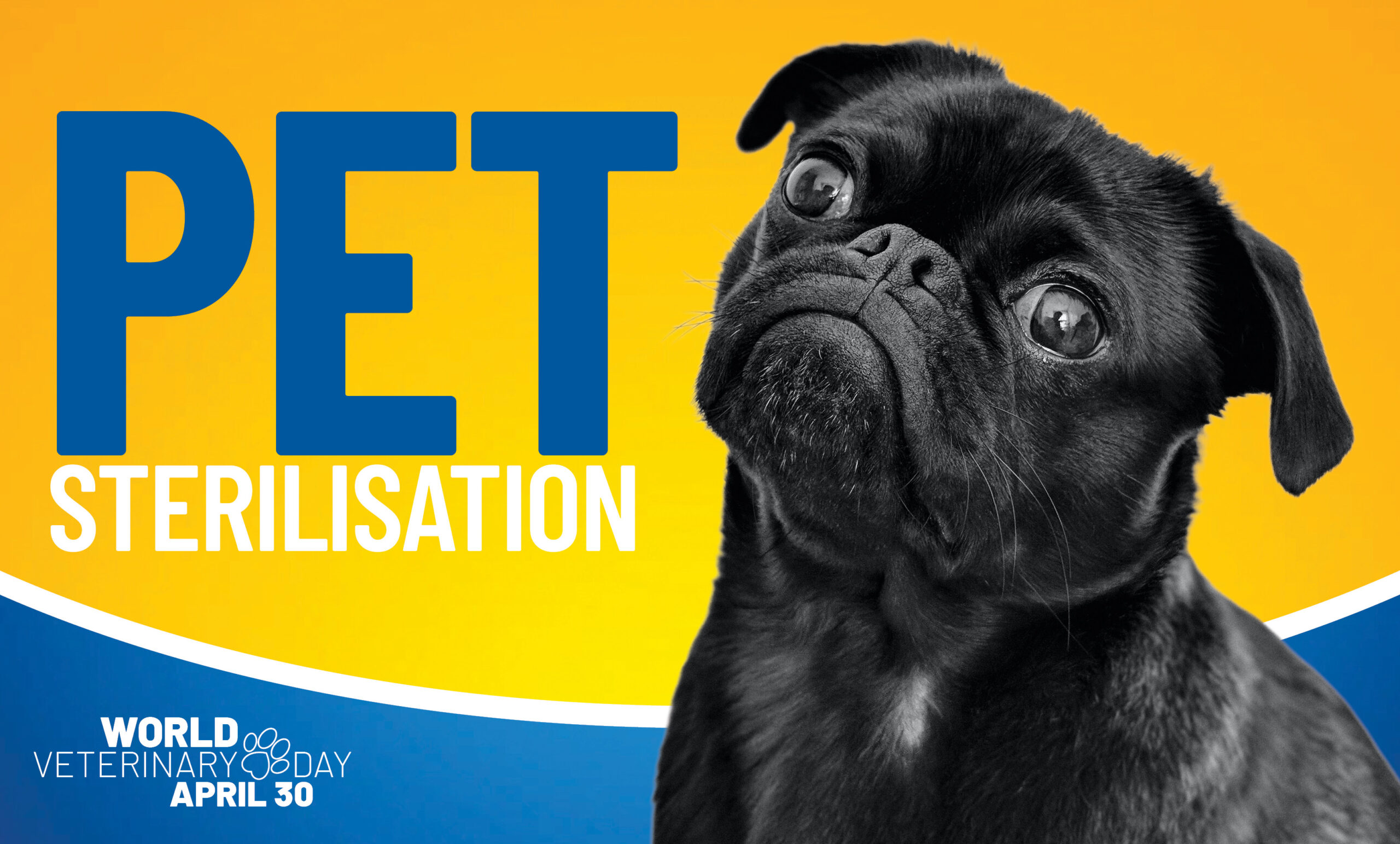
Unsterilised animals can produce a vast number of litters of puppies and kittens over their lifetime, says National Council of SPCAs (NSPCA) spokesperson Keshvi Nair.
There are thousands of unwanted dogs and cats in South Africa and many more that live a life of pain, suffering and neglect. Sterilisation is the only sustainable answer to curbing the horrific cases of animal abuse, overfull shelters and strays.
It is for this reason that SPCAs do not home unsterilised animals.
Without this restriction, Nair says, animals might be ‘adopted’ by unscrupulous breeders who subject dogs to a life of misery in cages, pumping out litter after litter in horrible conditions.
“They do not experience the life that every companion animal should have,” says Nair.
Dogs might also be bred to be used in dog fighting.
“There is no guarantee that the puppies and kittens produced by an unsterilised animal will find the safe and loving home they deserve. Animals are either sold to random people, with no background checks, or they are given away freely, or simply dumped.”
She says that sometimes animals are taken home on impulse and when house training becomes too much of a bother, or when they are no longer cute kittens or puppies, they end up chained or neglected in backyards.
“Sterilisation also has health benefits for animals – for example, preventing pyometra, mammary cancer and testicular cancer,” she says.
Sterilisation assistance
The NSPCA and SPCAs around the country sometimes conduct proactive outreach programmes in communities. This often includes sterilisation.
“The public is advised to make contact with their local SPCA to see if they run outreach/sterilisation drives. Some SPCAs offer reduced sterilisation rates, depending on the income of the owner,” Nair says.
There are also state veterinary clinics around the country that provide sterilisation procedures to the public, free of charge. Contact your local state veterinary clinic for more information.
Myths and facts
- Sterilisation does not make animals lazy or less likely to alert the owner to danger.
- Certain breeds, such as Labradors, are prone to putting on weight after sterilisation and owners need to ensure that the dog receives the correct amount of food and exercise to counteract this.
- Sterilisation does not make dogs aggressive.
- Sterilised cats and dogs are less likely to roam, which minimises their chances of getting lost, being hit by a car or being attacked by another dog.
World Veterinary Day falls on April 30 this year. The theme, set by the World Veterinary Association, is ‘Strengthening veterinary resilience’. This is an apt topic in South Africa, where a shortage of vets places strain on those in the profession. The upside is that veterinary science is a great career choice for youngsters, who will have an excellent chance of securing employment.
Read original story on witbanknews.co.za

