
Suspected avian botulism kills 94 waterbirds at Zoo Lake
Visitors to a popular Johannesburg park are urged to keep pets and children away from the water while environmental investigations continue.
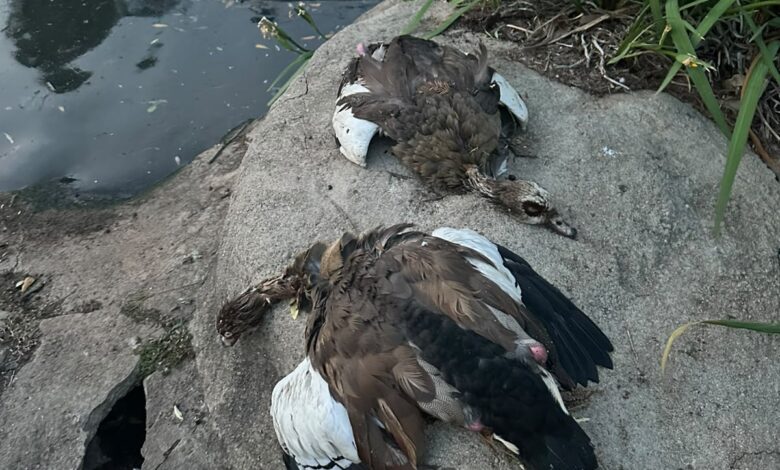
A suspected avian botulism outbreak has been identified as the likely cause of the recent waterbird deaths, with Johannesburg City Parks and Zoo (JCPZ) stepping up clean-up operations at the popular Parkview recreational spot, reports Rosebank Killarney Gazette.
In a statement issued yesterday, (November 12), JCPZ said veterinary findings pointed to the toxin following an assessment of the birds’ clinical signs, previous outbreaks and environmental conditions at the lake.
The latest findings follow the discovery of at least 20 dead waterbirds earlier this month.
JCPZ confirmed that tests conducted at the Onderstepoort Veterinary Hospital were negative for avian influenza. However, the specific type of botulinum toxin responsible for the suspected outbreak has not yet been laboratory-confirmed.
Further carcasses recovered
Johannesburg Zoo officials, assisted by the boating club, collected an additional 74 carcasses from the shoreline and island on November 11.
The carcasses are being transported to Johannesburg Zoo for incineration as part of efforts to prevent further deaths.
According to JCPZ, avian botulism occurs when birds ingest a toxin produced by Clostridium botulinum bacteria. Warm weather, stagnant water and decomposing organic matter can create conditions that favour outbreaks.
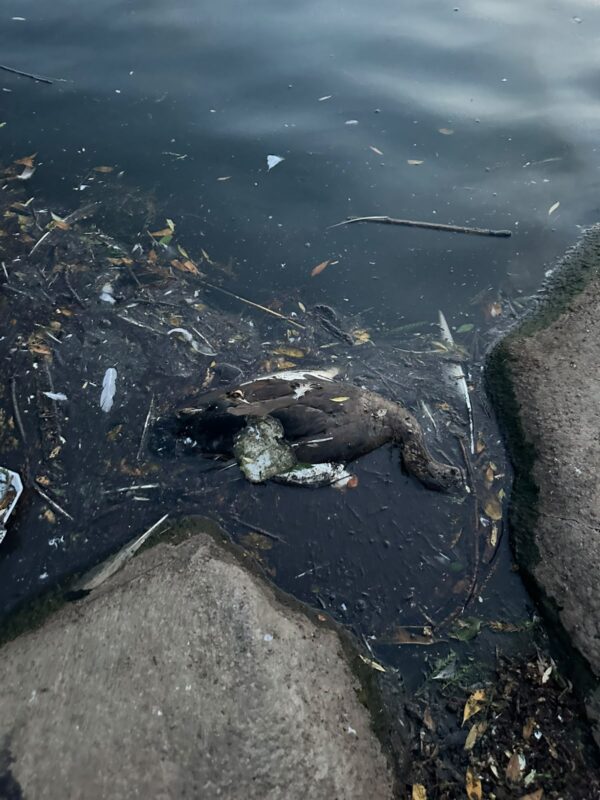
The toxin affects the birds’ nervous systems, causing muscle weakness and paralysis, which can leave them unable to fly, feed or keep their heads above water.
Lake water remains unsafe
Although the type C botulinum toxin commonly associated with waterbird outbreaks poses a low risk to humans, JCPZ has warned that the lake water remains unsafe for pets, swimming and angling.
The entity said reported sewer spills and other possible pollution sources were still being investigated. However, the veterinary findings had not established a direct link between a particular spill and the bird deaths.
JCPZ is working with the city’s environment and infrastructure services department to investigate the environmental conditions and identify measures to improve the lake’s health.
Recommendations in the veterinary report include more frequent inspections, prompt carcass removal, improved aeration, removing decomposing organic material and reducing polluted inflows.
Visitors have been urged not to feed the birds, handle sick or dead wildlife, or allow children and pets near carcasses or affected water.
Residents who spot sick or dead birds can report them to emi@jhbcityparks.com, providing the precise location.
JCPZ said it would provide further updates as investigations progress.
Breaking news at your fingertips… Follow Caxton Network News on Facebook and join our WhatsApp channel.
Nuus wat saakmaak. Volg Caxton Netwerk-nuus op Facebook en sluit aan by ons WhatsApp-kanaal.
Read original story on www.citizen.co.za

