
Tariff increases if water not used sparingly, Tshwane metro warns
“There will be no water restrictions for now despite dam levels continuing to fall.”
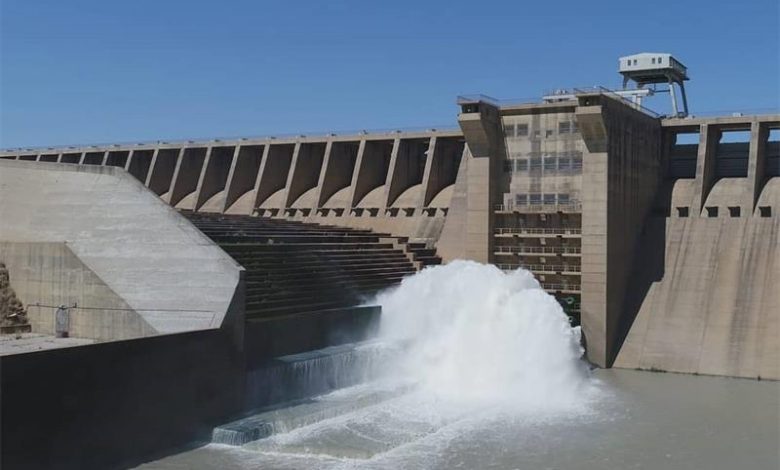
Please use water sparingly, the Tshwane metro pleaded with residents this week.
Otherwise, they might be forced into implementing stringent restriction measures such as an increase in water tariffs, Pretoria Rekord reports.
This comes as residents continue to consume water at a rate higher than the water system is able to provide.
“Saving water is even more important than before as the Vaal Dam water levels have been dwindling for months,” said metro spokesperson Lindela Mashigo.The Vaal Dam is one of Gauteng’s main water supply sources.
According to Mashigo, the dam levels were continuously dropping and is currently below 34%.
“The hot summer months, which are associated with increased water consumption, are upon us. This period is typically associated with an increased load on the city’s already strained water supply system.”
Mashigo warned that saving was vital as the metro was facing restrictions to its bulk water supply which it had already exceeded.
“If residents and industries do not assist in drastically implementing water saving measures, we will have no choice but to implement more stringent restrictions across the entire distribution network to curb the demand to sustain adequate reservoir levels in an effort to minimise water supply interruptions.”
The metro has already introduced some rules to save water such as no watering of gardens with hosepipes or sprinkler systems between 06:00 and 18:00.
Other measures include no washing of vehicles with hose pipes and no filling up of swimming pools. The metro has also appealed to residents to use greywater to water gardens.
Speaking on the state of the Vaal Dam, Department of Water and Sanitation spokesperson Sputnik Ratau said although the levels were low they were not critical.
“There will be no water restriction for now despite dam levels continuing to fall,” he said.
“The integrated Vaal Dam water system [as opposed to only the dam] is not yet compromised. It is in good standing at about 50%-60%. As long as the system is not compromised, we do have to impose water restrictions.”
Ratau said there were a lot of factors that led to the dam’s levels being so low, including low rainfall during the rainy season.
“Aside from the less rainfall, we also had high temperatures that contribute to high evaporation. As a developing country, we have also seen a lot of urbanisation which has seen the demand for water increase. This also attributed to a lot of infrastructure development projects,” Ratau said.
Ratau said one problem the department was facing was water pollution, which came at a high cost in the treatment of water.
“Municipalities need to ensure their infrastructure is performing optimally and regularly maintained.”
On the matter of pollution at the dam, he added that the department was looking into finding a solution.
The metro has provided the following tips as a measure to save water:
- Install a low-flow showerhead and tap aerators where possible.
- Use a dual-flush toilet cistern.
- Plant indigenous or drought-resistant shrubs in the garden.
- Use a broom instead of a hose pipe when cleaning driveways or patios.
- Collect rainwater to reuse in the garden or wash the car.
- Cover the swimming pool to reduce water evaporation.
- Take a shower rather than a bath.
- Close a running tap while brushing teeth or shaving.
- Regularly check toilets and taps for leaks.
The metro has said residents with water supply issues such as burst water pipes, leaking meters or blocked street sewers to contact them at 012-358-9999 or 080-1111-556.
On illegal water connections, residents can contact 012-358-9060. For payment issues, contact 012-345-8514 and for account enquiries contact 012-358-9999.
ALSO READ: Vaal Dam water levels at a low but not critical
Read original story on rekordeast.co.za

